Top Remodeling Mistakes to Avoid with Your Fixer Upper
15 March 2026
So, you’ve got your hands on a fixer-upper and can already picture turning it into your dream home or a prime real estate investment. Exciting, right? But let’s face it—tackling a remodeling project can feel like stepping into a maze. It’s full of twists, turns, and the occasional "What was I thinking?" moment.
Before you dive in with a hammer and a big vision board, let’s talk about some common remodeling mistakes folks make with fixer-uppers — and, more importantly, how you can avoid them. Whether this is your first rodeo or you’ve flipped a few houses before, steering clear of these pitfalls can save you time, money, and a heck of a lot of stress.
1. Skipping a Professional Home Inspection
I get it—when you’re standing in a house with “potential” written all over it, the last thing you want to do is hand over more cash for a home inspection. But trust me, skipping this step is like buying a used car without checking under the hood.A professional home inspection will uncover issues you probably wouldn’t spot on your own—hidden mold, faulty wiring, foundation cracks, you name it. Without this foundational step, you might end up spending more on repairs than the house is worth.
Pro Tip: Hire a qualified inspector who specializes in older or neglected properties. Better safe than sorry.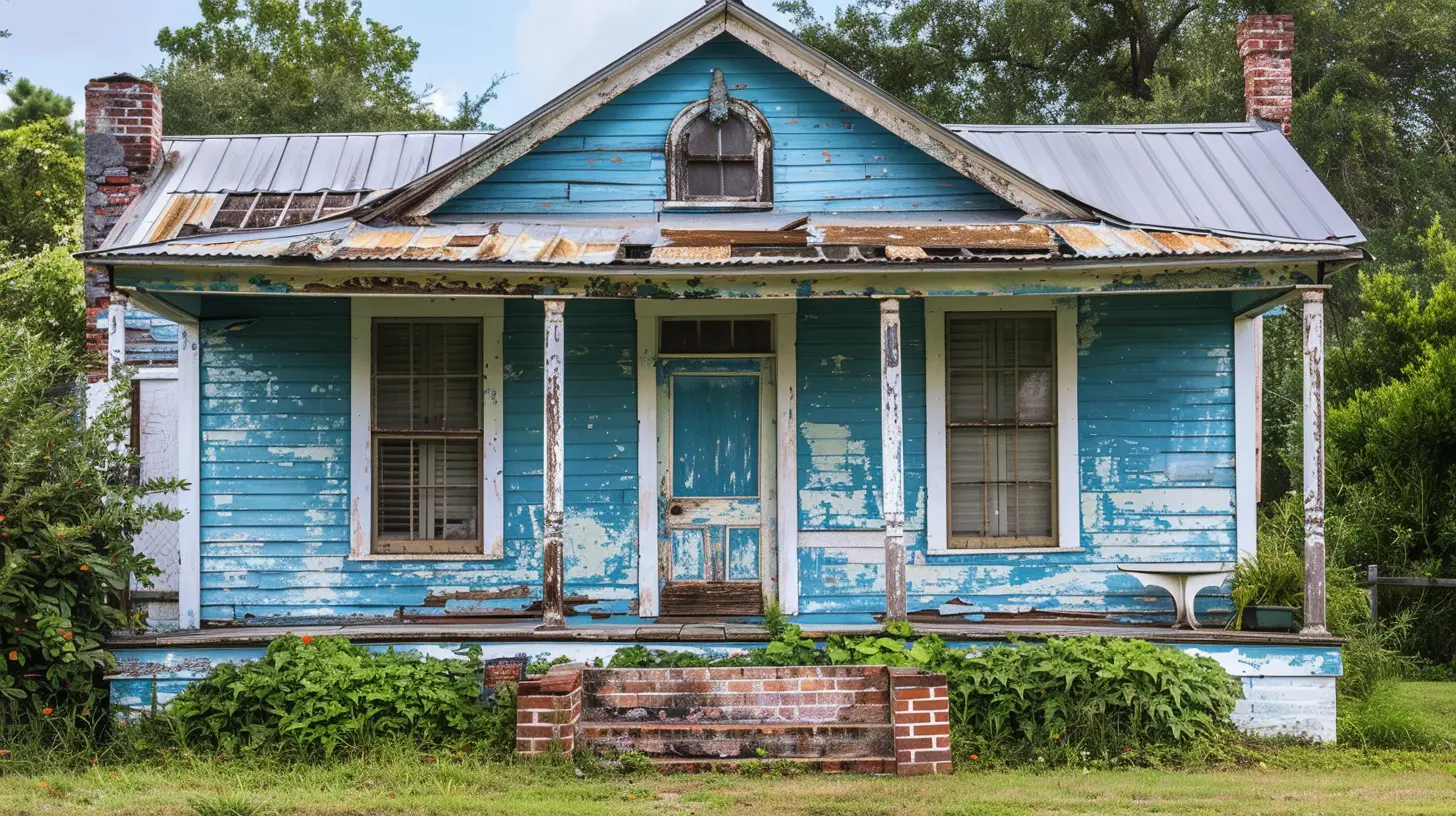
2. Underestimating the Budget
Raise your hand if you’ve ever seen a home renovation show where someone’s budget magically doubles halfway through the project. It’s a TV trope for a reason—it happens all the time in real life.Don’t just calculate the cost of paint, floors, and cabinets. Factor in the unexpected: plumbing repairs, structural fixes, or even a permit fee you didn’t know you needed. A good rule of thumb? Add 20-30% to your initial budget. It’s better to have money left over than to run out halfway through. 
3. Tearing Down Walls Without a Plan
Open floor plans are all the rage these days, but let’s pump the brakes before you grab that sledgehammer. Tearing down walls without a plan is like cutting bangs on a whim—there’s a good chance you’ll regret it.Some of those walls might be load-bearing, which means they’re holding up the structure of your house. Knock out a load-bearing wall without proper reinforcements, and you could end up with a total disaster (and a hefty repair bill).
Consult a structural engineer or contractor before making any major structural changes. Trust me, it’s worth it.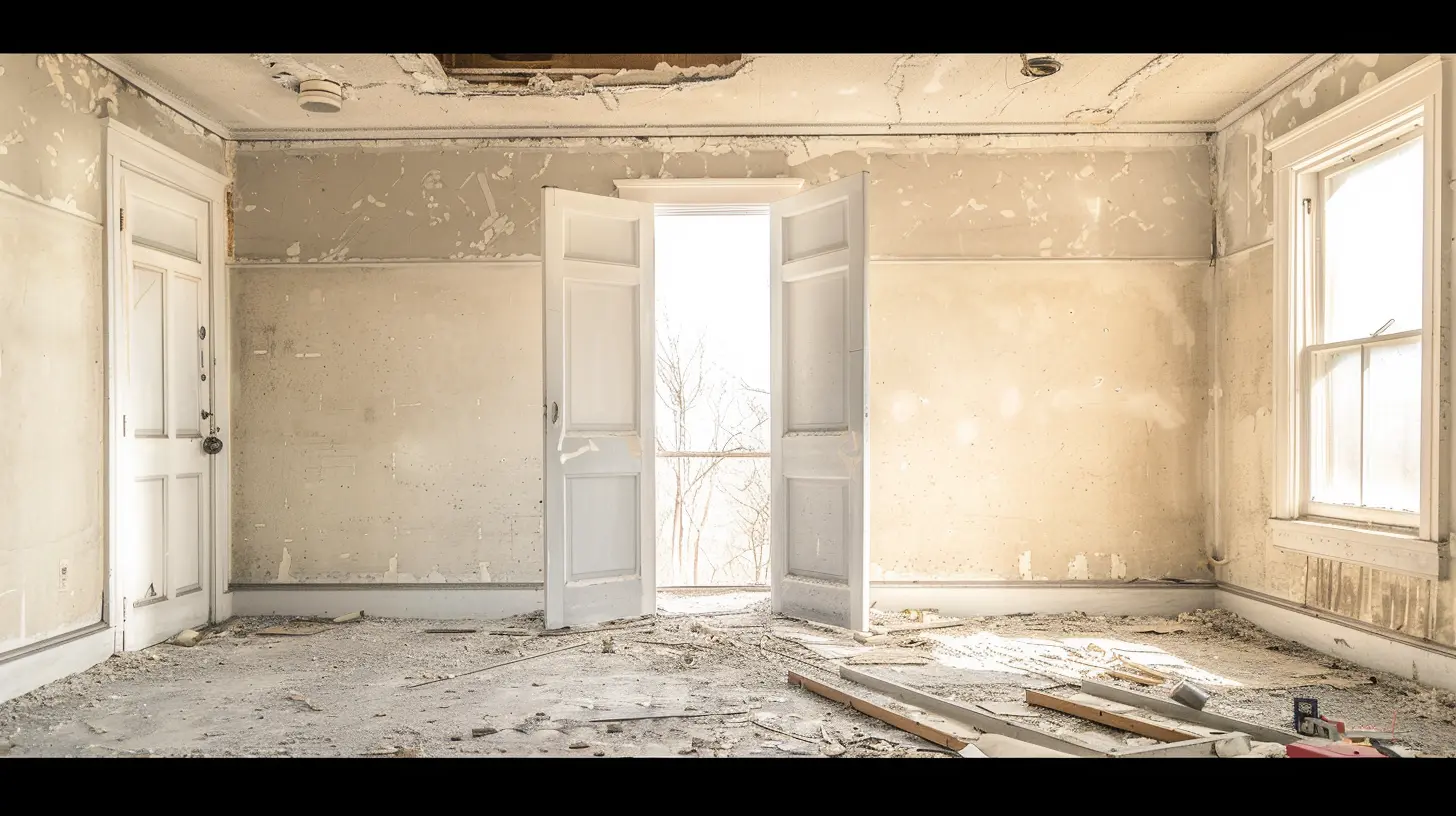
4. Choosing Aesthetic Over Functionality
We all want a kitchen that looks like it belongs in a magazine or a bathroom that screams “luxury spa.” But focusing too much on aesthetics can leave you with a house that looks pretty but doesn’t work for everyday life.For example, those sleek, open shelves you saw on Pinterest may look amazing, but will they actually hold everything you need? And don’t even get me started on delicate materials like marble countertops in high-traffic areas—they scratch and stain like you wouldn’t believe.
Always balance form and function. After all, it’s a home, not a showroom.
5. DIYing Everything
You’re handy with tools, and YouTube tutorials make everything look so doable. So why not roll up your sleeves and tackle the entire remodel yourself? Well, because not every project is a weekend DIY.Sure, you can probably paint walls or install a backsplash, but electrical work, plumbing, and structural changes? Leave those to the pros. Cutting corners with DIY can cost you big time if something goes wrong—and let’s be real, do you really want to deal with a burst pipe at 3 a.m.?
Remember: DIY what you can, but don’t be afraid to call in experts for the heavy lifting.
6. Ignoring Permits and Regulations
I know, dealing with permits sounds about as fun as waiting at the DMV. But ignoring them is a rookie mistake that can come back to haunt you.Certain projects—like electrical rewiring or adding a deck—require permits. Skipping them might seem like a way to save time and money, but if the city finds out, you could face hefty fines or even be forced to undo your work. Not to mention, it could complicate things down the line when you’re trying to sell the home.
Do your homework on local codes and regulations before you start swinging that hammer.
7. Neglecting Energy Efficiency
It’s easy to overlook energy efficiency when the focus is on making a house look good. But here’s the thing: remodeling is the perfect opportunity to make your home more eco-friendly and save on long-term energy costs.Replace those leaky old windows, upgrade to energy-efficient HVAC systems, and add insulation wherever you can. Not only will you reduce your carbon footprint, but you’ll also boost the home’s resale value.
8. Overpersonalizing the Design
We all want our homes to reflect our personalities, but when it comes to fixer-uppers, you’ve got to think long-term. A neon green bathroom or a living room wallpapered with cat prints might make you happy today, but what about when it’s time to sell? Will potential buyers see charm or a costly remodel?Keep your personal flair to the easily changeable stuff—paint colors, decorations, and furniture. Stick to neutral, timeless designs for bigger-ticket items like flooring, cabinetry, and countertops.
9. Rushing the Timeline
We live in a world of instant gratification, but remodeling is not the place to rush. If you set an unrealistically short timeline, you’re setting yourself up for a stressful (and likely sloppy) experience.Rushed jobs often lead to corners being cut, mistakes being made, and—surprise, surprise—higher costs when those mistakes need to be fixed. Give yourself some breathing room in the schedule and don’t be afraid to delay certain steps if it means getting the job done right.
10. Forgetting About Curb Appeal
When you’re knee-deep in drywall dust and paint swatches, it’s easy to forget about the outside of the house. But let’s not forget: first impressions are everything.Neglecting curb appeal—like landscaping, the front door, or the exterior paint—can make a beautifully remodeled interior feel incomplete. Plus, good curb appeal boosts the overall value of the property.
Pro Tip: You don’t have to spend a fortune. Sometimes all it takes is a fresh coat of paint, some potted plants, and a power wash to make a huge difference.
11. Not Thinking About the Neighborhood
One of the biggest mistakes people make with fixer-uppers is over-improving. Sure, you want your home to stand out, but not too much. If your remodeled house becomes the most expensive home in the neighborhood, you might have trouble recouping your investment when it’s time to sell.Before you start picking out marble everything, research comparable homes in the area. This will help you strike the right balance between upgrading the house and keeping it in line with the neighborhood.
12. Overlooking Small Details
By the time the major work is done, it’s tempting to skip over the small stuff and call it a day. But little details—like faulty doorknobs, mismatched light switches, or poorly sealed windows—can make your fixer-upper feel unfinished.Take the time to tie up loose ends. Those finishing touches might seem insignificant, but they can make a world of difference to the overall look and feel of your home.
Final Thoughts
Remodeling a fixer-upper is like running a marathon—it’s a long haul, but the reward at the finish line can be worth every bit of effort. Avoiding these common mistakes will keep you on the right track and help you create a home that’s beautiful, functional, and valuable.Remember, the key is preparation. Do your homework, hire professionals when needed, and above all, stay flexible. Things might not always go as planned, but with some patience and smart decision-making, your fixer-upper can become everything you dreamed it would be.
all images in this post were generated using AI tools
Category:
Fixer UppersAuthor:

Basil Horne
Discussion
rate this article
2 comments
Zeke Lamb
This article effectively highlights common pitfalls in fixer-upper renovations. It's crucial for homeowners to prioritize budgeting, planning, and understanding structural integrity to ensure a successful transformation without financial regret.
March 21, 2026 at 4:02 AM
Basil Horne
Thank you for your insights! Prioritizing budgeting and planning is indeed essential for a successful renovation.
Anastasia McManus
Great insights! Avoiding these mistakes can truly transform a fixer-upper into a dream home.
March 15, 2026 at 5:12 AM
Basil Horne
Thanks for your feedback! Glad you found the insights helpful. Turning a fixer-upper into a dream home is definitely possible with the right approach.