Tips for Investing in Real Estate in a Hot Housing Market
27 December 2025
So, you're thinking about diving into real estate investing, huh? Great choice! But let me guess — the housing market looks like it’s on fire right now. Prices are climbing, homes are getting snatched up in days (sometimes hours), and every time you blink, another “sold” sign pops up.
Hot markets can be intimidating, no doubt. But here’s the thing — you don’t have to sit on the sidelines just because things are moving fast. In fact, with the right approach, a hot housing market can be full of golden opportunities. It all comes down to strategy, timing, and a bit of good ol’ fashioned due diligence.
That’s what this post is all about. I’m going to walk you through practical, real-world tips for investing in real estate even when the market is sizzling. No fancy jargon. No fluff. Just straight talk to help you make smart, confident moves.
Let’s get into it.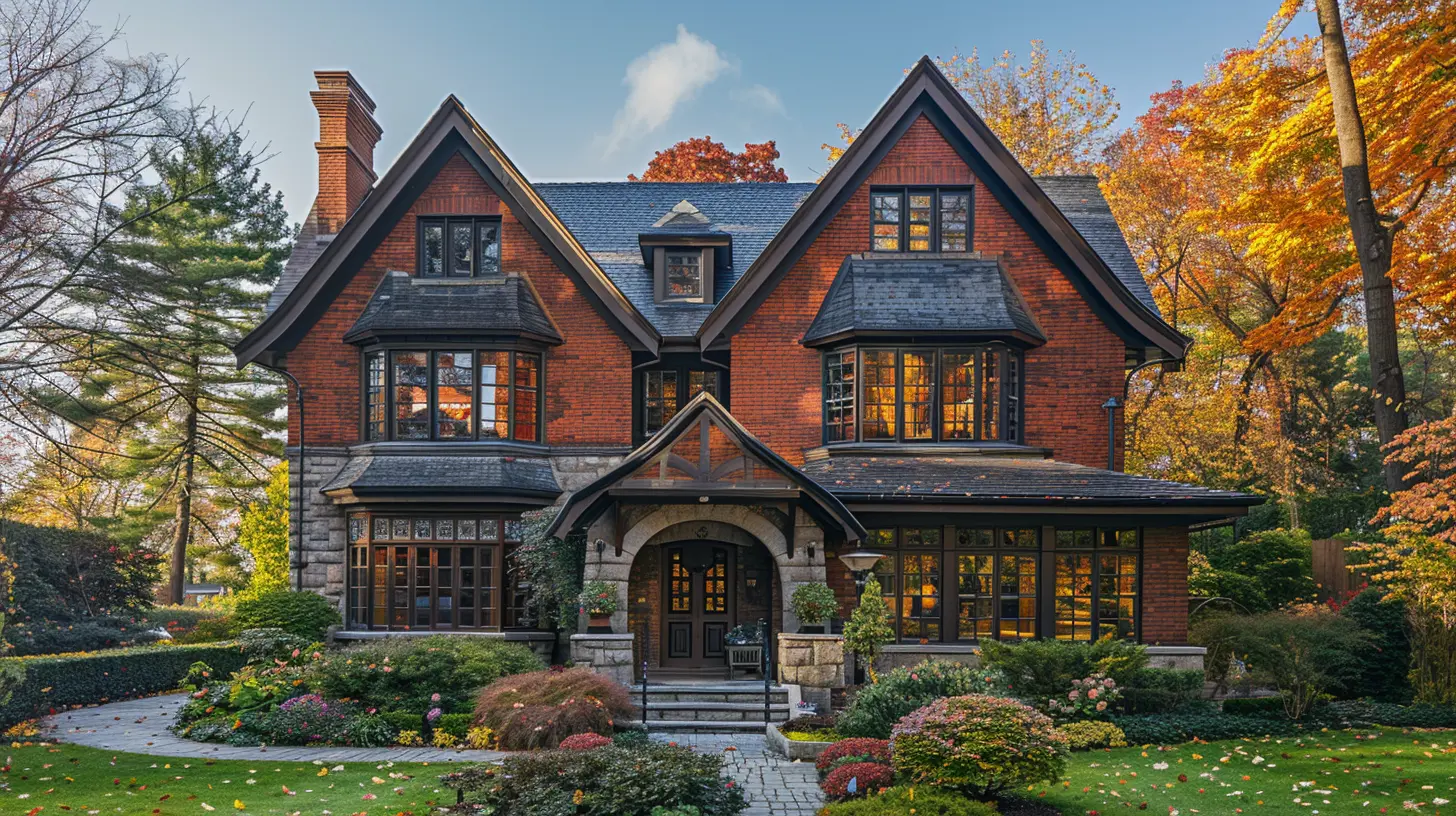
What Exactly is a "Hot Housing Market"?
Before we start tossing money around, let’s clear this up. A "hot" housing market is where demand seriously outweighs supply. Homes sell quickly, often above asking price. Bidding wars are common. Interest rates are typically low, and there’s a general sense of urgency.In these markets, sitting back and waiting may mean missing the boat. But jumping in without a game plan? That can cost you big time.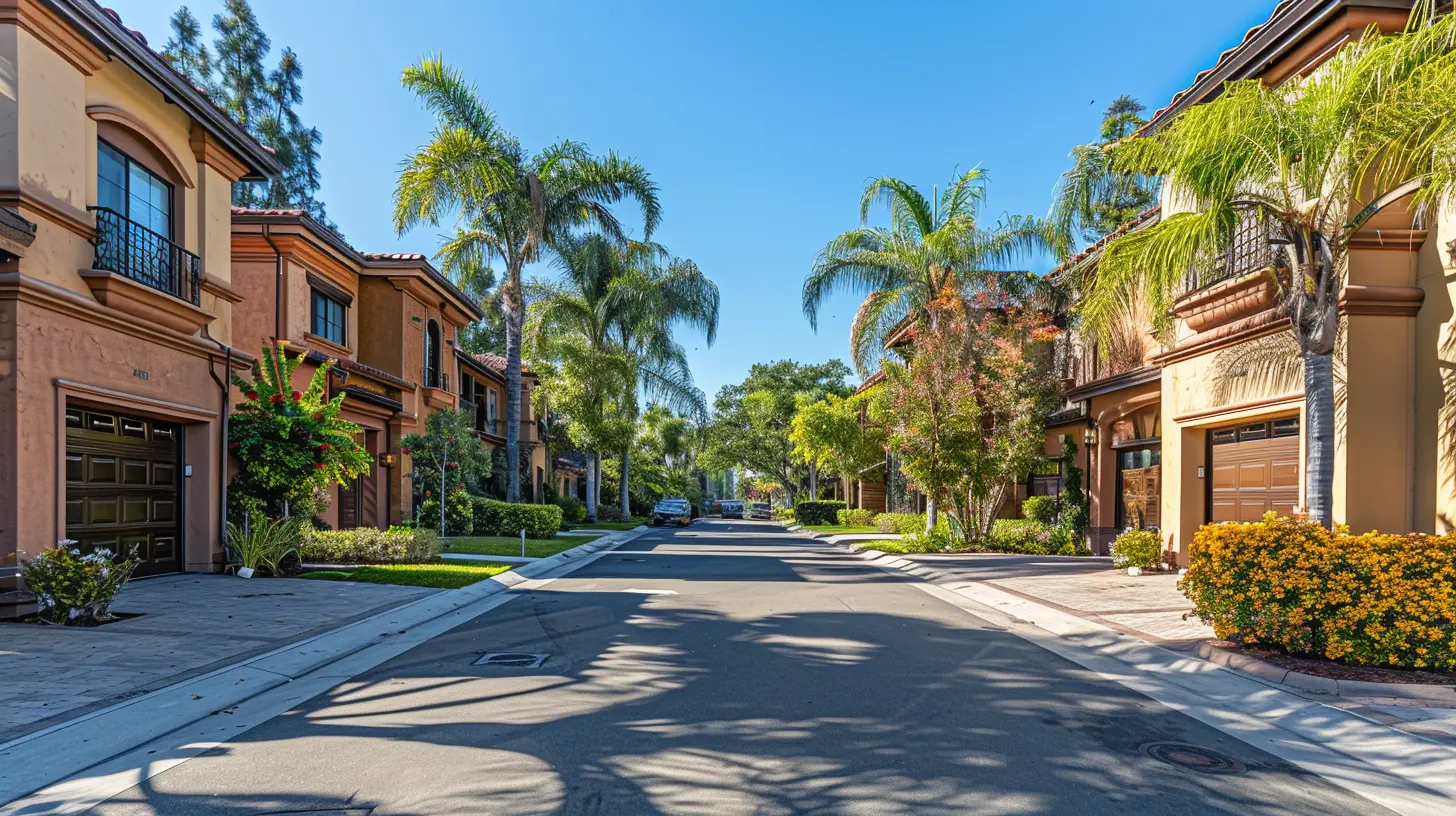
1. Set Your Strategy Straight (Before You Spend a Dime)
It’s tempting to just start house-hunting. But hold up. What’s your end goal?- Are you planning to flip properties for short-term profit?
- Want to be a landlord and rent out homes for steady cash flow?
- Looking to buy and hold long-term for appreciation?
Each strategy comes with different risks and rewards — and the right one depends on your budget, timeline, and risk tolerance.
If you're not sure, start by asking: "What do I want my money to be doing in 5, 10, or 20 years?" That’ll steer you in the right direction.
2. Know Your Numbers (Seriously, Don’t Wing It)
Hot markets can get emotional. You fall in love with a property... start picturing yourself owning it... and before you know it, you’ve gone way over budget just to “win” the deal.Don’t do that.
Instead, get crystal clear on your financial limits before looking at a single listing:
- Set a max purchase price. Stick to it, even if you lose a few deals.
- Calculate ROI. Look at potential rental income, taxes, insurance, maintenance, and HOA fees.
- Factor in vacancy periods. Even in hot markets, things happen — tenants leave, repairs take time, etc.
- Don’t forget closing costs and renovations. These can sneak up on you.
Use an investment calculator or spreadsheet, and run the numbers like your portfolio depends on it — because it kind of does.
3. Secure Financing Early — Like, Yesterday
In a hot market, hesitation can cost you the deal. One way to move fast? Get pre-approved for financing before you start your search.Better yet, talk to multiple lenders to find the best terms. You’d be surprised how much rates and fees can vary.
Here’s another pro-tip: consider working with a mortgage broker who specializes in investment properties. They know the ins and outs of investor-friendly loans and can help you get creative if needed.
Also, explore different financing options:
- Conventional loans
- Hard money loans (if you’re flipping)
- HELOCs or cash-out refis (if you already own property)
- Partnerships or joint ventures
The more flexible your financing, the more competitive you'll be.
4. Be Ready to Move FAST — But Don’t Skip Due Diligence
Speed is key in a hot market. Good deals don’t hang around. But here's the dangerous part: moving too fast and ignoring red flags could leave you with a money pit.Here’s how to hustle smart:
- Work with a sharp real estate agent who knows the local market inside out.
- Get alerts set up for new listings the moment they go live.
- Have your inspector, contractor, and lender ready to roll.
- Make clean offers with limited contingencies — but NEVER waive inspections blindly.
It’s a balancing act. Think of it like speed dating — quick decisions matter, but you still gotta ask the right questions.
5. Target Up-and-Coming Neighborhoods
Can’t afford that glossy downtown duplex? No stress — you don’t have to chase the trendiest zip code to score a win.Some of the best investment opportunities are in those “next big thing” neighborhoods — ones that are on the verge of growth.
What to look for:
- Local development projects (new schools, shopping centers, transit hubs)
- Rising home prices and rent trends
- Lower crime rates and improving community amenities
- Creative businesses and coffee shops popping up
You’re not just investing in property — you’re investing in the future of a neighborhood. Buy smart, and you’ll ride the wave as values rise.
6. Think Beyond Single-Family Homes
When most folks think of real estate investing, they picture buying a cute little house to rent out. But in a hot market, competition for single-family homes can be brutal — and prices may not make sense for cash flow.So, zoom out a little. Other property types might offer better bang for your buck:
- Duplexes, triplexes, and fourplexes – More units = more income.
- Small apartment buildings – Less competition from first-time buyers.
- Condos or townhomes – Lower price points, often easy to manage.
- Mixed-use properties – Combine residential with commercial for income balance.
The point is, don’t box yourself in. Flexibility is your friend.
7. Build a Dream Team (Because You Can’t Do It Alone)
Investing in real estate isn’t a solo sport — especially not when the stakes are high and the market’s moving fast.You’re gonna want a team. A small, tight-knit group of pros who’ve got your back:
- A savvy local real estate agent (ideally investor-friendly)
- A reliable lender who can move fast
- A contractor or inspector you trust
- A real estate attorney (seriously — don't skip this)
- A property manager (if you're buying rentals)
They’ll help you spot deals, avoid disasters, and save you a ton of time and stress.
8. Don’t Chase Unicorns — But Don’t Settle Either
In a hot market, everyone wants the perfect deal. The one with low price, high rent, zero work. Spoiler: it probably doesn’t exist.But here’s the twist — you don’t need a unicorn. You just need a solid investment that makes sense on paper and fits your strategy.
That doesn’t mean you should settle for garbage. Look for:
- Favorable long-term appreciation trends
- Strong rental demand
- Decent condition (unless you’re flipping or rehabbing)
- Room for improvements that boost value
Be picky, but not paralyzed.
9. Watch the Market Like a Hawk
Markets change. And hot markets can cool off — fast.Stay in the loop by following:
- Local housing reports and statistics
- Mortgage rate changes
- Policy news (like zoning laws or landlord regulations)
- Job growth and economy indicators in the area
Bookmark a few real estate blogs, subscribe to newsletters, and join investor forums. Market trends often give subtle hints before big shifts — and smart investors are the ones who pay attention.
10. Think Long Game — Even in a Short-Term World
Finally, a big reality check: real estate investing isn't a get-rich-quick scheme. Sure, some flippers strike gold. But most successful investors play the long game.That means:
- Buying assets, not just properties
- Focusing on cash flow and equity over time
- Reinventing your strategy as things change
- Reinvesting profits into more deals
Real estate’s beauty lies in compound growth — the kind that turns your first little rental into a full-on portfolio.
So stay consistent, stay smart, and keep your eyes on the prize.
Final Thoughts
Investing in real estate in a hot housing market isn’t for the faint of heart. But if you’re prepared, educated, and willing to act decisively — it can be incredibly rewarding.Remember, you don’t need perfect timing. You need the right mindset and a solid plan. Keep your emotions in check, run your numbers like a pro, and surround yourself with people who know their stuff.
And don’t worry if you miss a deal or two. The market may be hot, but real estate is always moving — and opportunities will keep coming.
Stick to your strategy, play smart, and in time, your portfolio will grow — one smart investment at a time.
You got this.
all images in this post were generated using AI tools
Category:
Investment PropertiesAuthor:

Basil Horne
Discussion
rate this article
2 comments
Levi McConnell
In a hot housing market, prioritize thorough research and due diligence. Focus on location, market trends, and property condition. Diversifying your investments can mitigate risks and enhance long-term profitability.
January 19, 2026 at 12:02 PM
Basil Horne
Thank you for your insightful comment! Thorough research and diversification are indeed key strategies for success in a hot housing market.
Gabrielle Kelly
In a hot housing market, patience and thorough research are key. Focus on long-term value rather than short-term gains. Diversify your investments and consider emerging neighborhoods where growth potential exists. Building strong relationships with local agents can also provide insider insights, enhancing your chances of making smart, informed decisions.
January 5, 2026 at 8:11 PM
Basil Horne
Absolutely agree! Patience, research, and focusing on long-term value are essential in a hot market. Diversifying and fostering relationships with local agents can indeed lead to smarter investment decisions. Thank you for the insightful comment!