Timeless Home Design Trends to Watch in 2026
29 April 2026
You know that feeling when you walk into a home and it just hits you? Like the space is whispering secrets from another era, yet it feels like it was built just for you? That’s the magic of timeless design—it doesn’t scream “I’m trendy!” but instead hums a quiet, steady tune that never goes out of style. As we tiptoe into 2026, the real estate world is buzzing with whispers of change. But here’s the twist: the trends we’re about to see aren’t about chasing the next shiny object. They’re about returning to something deeper, something almost primal—a fusion of history, nature, and raw human comfort.
Let’s pull back the curtain. What’s coming in 2026? Forget the cold, sterile minimalism of the past decade. We’re talking about spaces that breathe, evolve, and tell stories. Think of your home as a living organism—not a museum piece. Ready to dive into the mysterious, magnetic pull of these trends? Grab a cup of coffee, and let’s walk through the door together.
The Return of “Wabi-Sabi” Luxury: Imperfection as a Status Symbol
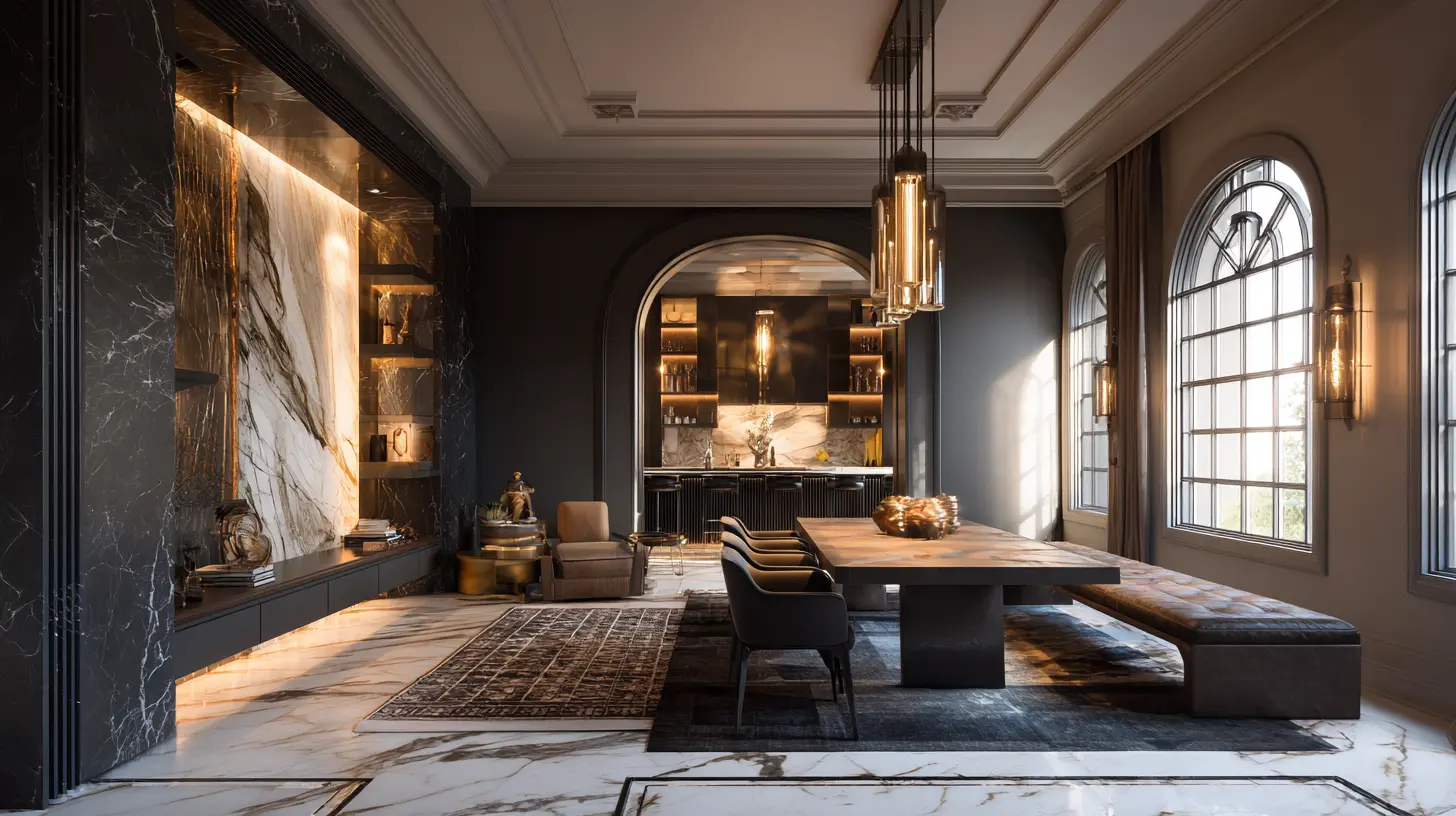
In 2026, the perfectly polished marble floor is out. The hand-scraped, slightly uneven, reclaimed oak plank? That’s the new gold standard. There’s a quiet rebellion happening in luxury real estate—a move away from sterile perfection toward something called wabi-sabi luxury. It’s a Japanese aesthetic that finds beauty in imperfection, transience, and the natural cycle of wear and tear.Why is this happening? Because after years of pandemic lockdowns and digital overload, we’re craving authenticity. A scratch on a wooden table isn’t a flaw; it’s a memory. A crack in a ceramic vase isn’t a defect; it’s a story. In 2026, high-end homes will feature deliberately uneven plaster walls, hand-forged iron fixtures with visible hammer marks, and textiles that feel organic—linen that wrinkles beautifully, wool that softens with age.
Imagine walking into a living room where the ceiling beams are raw, rough-hewn timber, still bearing the marks of the saw. The floorboards have knots and gaps. The light fixture is a single, blown-glass orb that looks like it was caught mid-breath. It feels like the home has been there for centuries, even if it was built last year. That’s the trick: creating a sense of timelessness through deliberate imperfection. It’s mysterious because you can’t quite put your finger on why it feels so right—but it does.
Rhetorical question: Would you rather live in a space that looks like a showroom or one that feels like a warm, weathered hug?
Biophilic Architecture: When Your Walls Learn to Breathe
If you think biophilic design is just about adding a few potted plants, you’re in for a surprise. In 2026, homes will literally breathe with you. We’re talking about integrated living walls that filter air, regulate humidity, and change color with the seasons. But it’s deeper than that—it’s about designing spaces that mimic natural ecosystems.Picture this: a kitchen where the backsplash is made of moss that absorbs moisture and sound. A bathroom with a living ceiling of ferns that release oxygen as you soak in a clawfoot tub. A hallway where the floor is embedded with a tiny stream of water flowing over river stones—yes, indoors. This isn’t science fiction; it’s the next wave of sustainable luxury.
Why now? Because we’re finally admitting that our homes have been too disconnected from the natural world. We’ve sealed ourselves in boxes with HVAC systems and artificial lighting, and our mental health has paid the price. In 2026, the trend is to blur the line between inside and outside until it almost disappears. Think of it as domestic rewilding. Your home becomes a sanctuary that doesn’t just shelter you—it nourishes you.
Metaphor: Imagine your house as a tree. The roots are the foundation, the branches are the rooms, and the leaves are the plants that filter the air. But in 2026, that tree also has a heartbeat—a smart system that adjusts temperature, light, and humidity based on your mood and the time of day. Creepy? Maybe. Comforting? Absolutely.
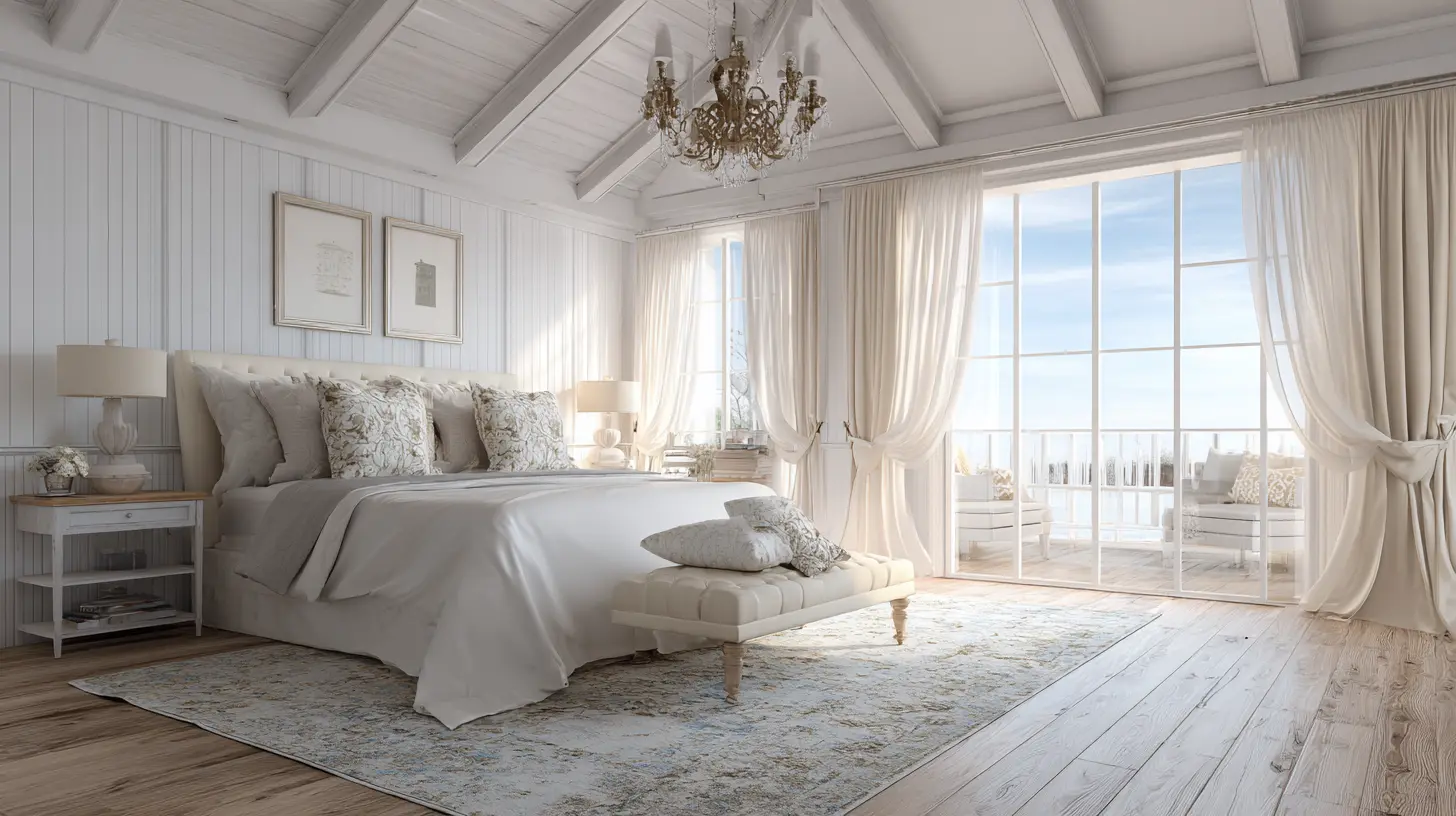
The “Dark Academia” Revival: Moody, Intellectual, and Undeniably Cozy
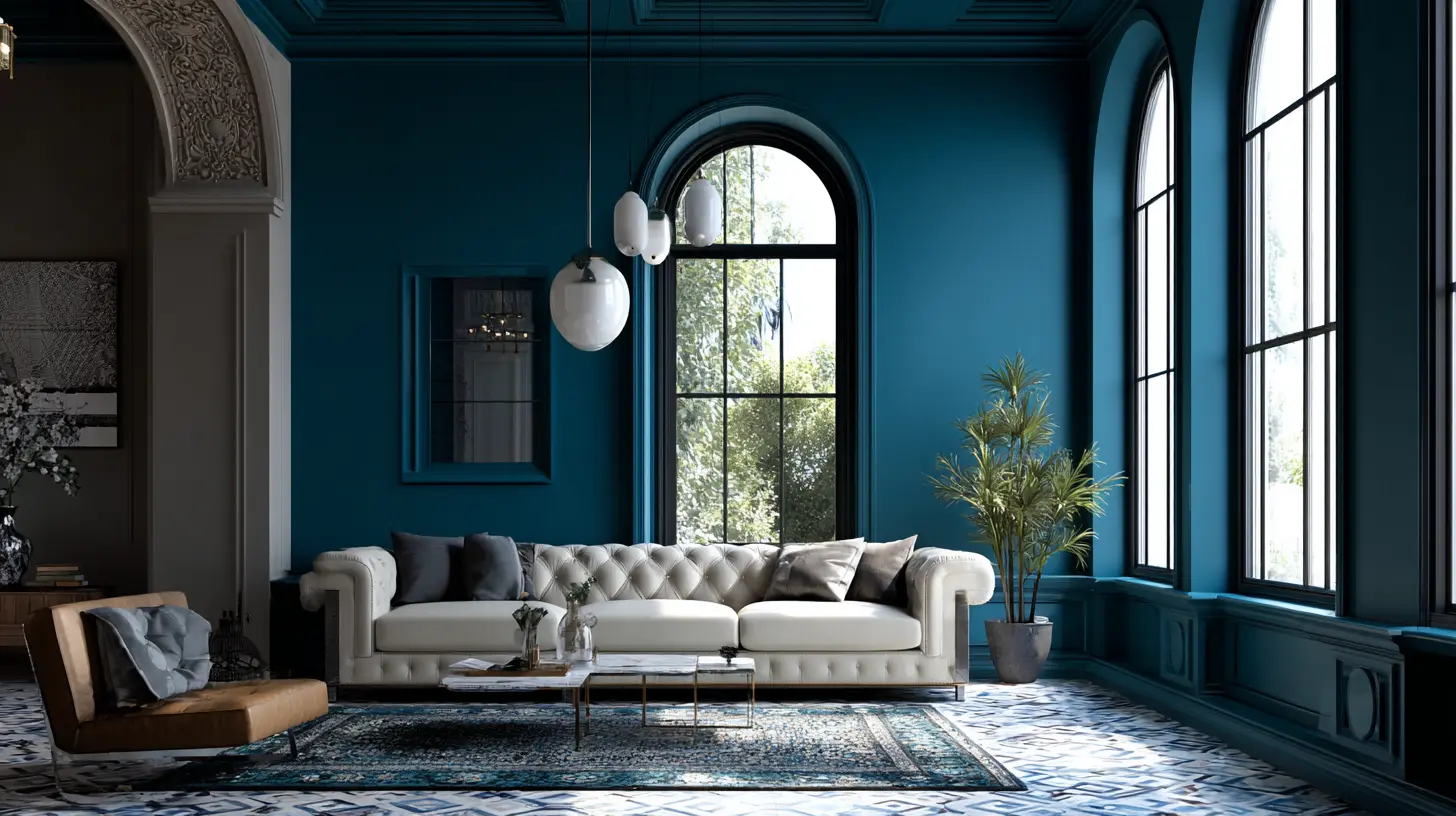
Remember the cozy, bookish vibes of a dusty library in an old Oxford college? That’s Dark Academia, and it’s crashing into home design in 2026 like a velvet storm. This trend is all about rich, saturated colors—deep burgundy, forest green, navy blue, and charcoal—paired with natural materials like leather, brass, and dark wood. It’s dramatic, intellectual, and surprisingly comforting.Why is it taking over? Because we’re tired of the all-white, Instagram-perfect aesthetic that feels like a dentist’s waiting room. Dark Academia invites you to curl up with a novel, pour a glass of whiskey, and let the walls hug you. Think floor-to-ceiling bookshelves (real ones, not IKEA hacks), vintage globes, brass reading lamps, and heavy velvet curtains that swallow sound.
But here’s the twist: it’s not about being stuffy or old-fashioned. The 2026 version of Dark Academia is updated with modern technology hidden in plain sight. A smart speaker disguised as a antique radio. A hidden charging pad inside a carved wooden box. The mystery lies in the contrast—old-world charm with new-world convenience.
Personal anecdote: Last week, I visited a friend’s newly renovated apartment. The walls were the color of dark chocolate. The sofa was a deep emerald velvet. And there, in the corner, was a vintage globe that opened up to reveal a hidden bar. I felt like I’d stepped into a Sherlock Holmes novel. I didn’t want to leave. That’s the power of this trend—it makes you want to stay and uncover its secrets.
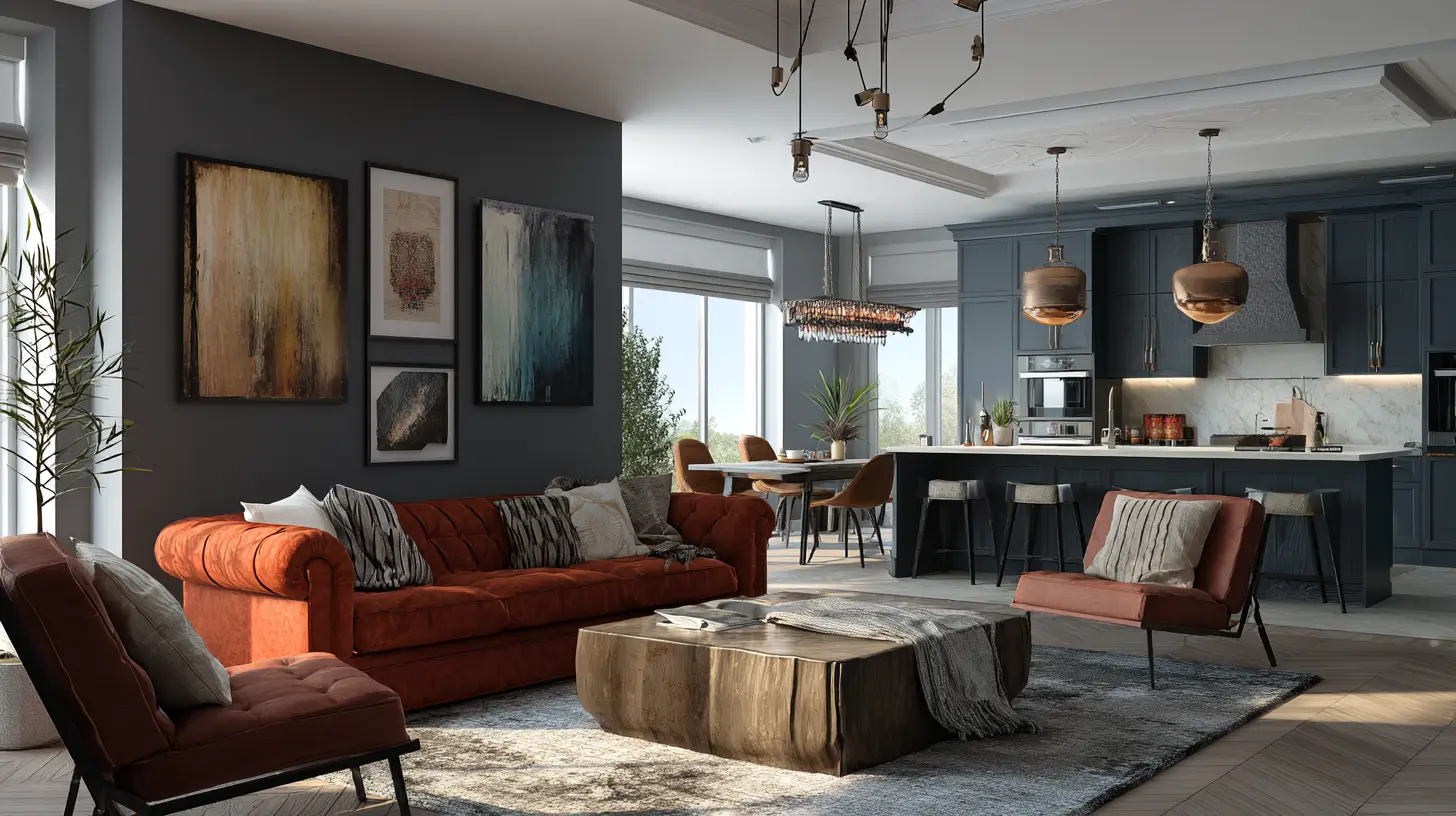
The “Anti-Open Floor Plan”: Rooms with Purpose and Privacy
For years, we’ve been told that open floor plans are the holy grail of home design. Knock down all the walls! Let the kitchen flow into the living room into the dining room! But in 2026, we’re seeing a quiet, mysterious shift back to defined spaces. Why? Because we’ve learned that constant togetherness isn’t always healthy.After years of remote work and family lockdowns, we crave boundaries. We need a room where we can shut the door and not hear the blender or the TV. The new trend is what designers are calling “purposeful compartmentalization.” It’s not about building a maze of tiny rooms; it’s about creating intentional zones that serve specific functions.
Think of it like a well-organized toolbox. You have a hammer for nails, a screwdriver for screws, and a level for precision. In your home, you’ll have a quiet reading nook that’s separate from the entertainment area. A kitchen that’s open to the dining room but visually separated by a sliding barn door or a partial wall with a pass-through. A home office that’s not just a corner of the bedroom but a real, dedicated space with soundproofing and natural light.
Analogy: An open floor plan is like a party where everyone is in the same room—fun for a while, but exhausting. A compartmentalized home is like a party with different rooms: the kitchen for snacks, the den for deep conversations, the library for quiet reflection. You can move between them, but you’re never overwhelmed by noise.
The “Ghost Kitchen” Concept: Invisible Culinary Innovation
Here’s a trend that sounds like something out of a sci-fi novel: the ghost kitchen in your own home. No, not the delivery-only restaurant concept. I’m talking about a kitchen that’s designed to be almost invisible—hidden behind cabinetry, retractable countertops, and cleverly disguised appliances. In 2026, the kitchen is no longer the heart of the home; it’s the hidden heart.Why the secrecy? Because we’ve realized that open kitchens, while social, can be messy and distracting. The ghost kitchen trend is about creating a space that’s fully functional but can be tucked away when not in use. Imagine a countertop that slides down to reveal a sink, or a backsplash that swings open to expose a microwave and coffee maker. The refrigerator is hidden behind a panel that looks like a pantry door. The dishwasher is disguised as a drawer.
This isn’t just about aesthetics; it’s about reclaiming visual peace. In a world of constant visual clutter, the ghost kitchen offers a sense of calm. When you’re not cooking, the room transforms into a seamless extension of the living area. It’s mysterious because you know the tools are there, but they’re not screaming for attention.
Rhetorical question: Why let a pile of dirty dishes ruin the vibe of your dinner party when you can simply close the cabinet and pretend they don’t exist? (We’ve all been there.)
The “Slow Home” Movement: Technology That Fades into the Background
We’ve had smart homes for years—lights that turn on with a clap, thermostats that learn your schedule, refrigerators that order groceries. But in 2026, the trend is invisible technology. The goal is to make tech so intuitive and discreet that you forget it’s there.Think of it as the slow home movement. Instead of a wall of switches and screens, you’ll have a single, minimal control panel—or none at all. The house will learn your habits over time, adjusting lighting, temperature, and music based on your presence and mood. Motion sensors will be hidden behind crown molding. Speakers will be embedded in the walls, invisible to the eye. The Wi-Fi router will be tucked inside a bookshelf.
Why this shift? Because we’re drowning in notifications and screens. The last thing we want in our sanctuary is more blinking lights and beeping gadgets. The 2026 home is a place where technology serves you, not the other way around. It’s like having a butler who never speaks but always knows what you need.
Metaphor: Your home becomes a quiet, attentive companion—like a loyal dog that knows when you’re sad and curls up at your feet. Except this dog controls the temperature, plays your favorite playlist, and dims the lights when you’re ready to sleep. Spooky? A little. Wonderful? Absolutely.
The “Heirloom” Kitchen: Appliances That Look Like Furniture
Stainless steel is out. Brass, copper, and matte black are in—but not in a flashy way. In 2026, kitchen appliances are being designed to look like heirloom furniture. A refrigerator might look like a vintage armoire. A dishwasher could be disguised as a butcher block cabinet. A range hood might resemble a hand-hammered copper chimney.This trend is about blending function with artistry. You’re not just buying an appliance; you’re investing in a piece that could be passed down to your grandchildren. These are built to last, with replaceable parts and timeless silhouettes. The industrial aesthetic of the 2010s is giving way to something warmer, more human.
Personal insight: I recently saw a photograph of a kitchen where the oven was hidden inside a massive, antique wooden hutch. The handles were brass pulls that looked like they came from a 19th-century ship. It was stunning—and completely unexpected. That’s the mystery of the heirloom kitchen: it looks like history, but it cooks like tomorrow.
The “Mood Architecture” Phenomenon: Lighting That Changes Your Brain Chemistry
Lighting has always been important, but in 2026, it’s becoming a psychological tool. Designers are using mood architecture—dynamic lighting systems that shift color temperature and intensity throughout the day to mimic natural sunlight. In the morning, the lights are cool and blue to wake you up. In the evening, they warm to a golden amber to help you wind down.But it goes deeper. Some high-end homes are experimenting with chromotherapy—using colored light to influence mood. A blue light in the bedroom to promote calm. A soft pink light in the dining room to stimulate appetite. A green light in the home office to enhance focus. It sounds like something from a luxury spa, but it’s becoming accessible to the average homeowner.
Rhetorical question: Have you ever noticed how a dim, warm light makes you feel like curling up with a blanket, while a bright, cool light makes you feel alert and productive? That’s the power of mood architecture—it works with your biology, not against it.
Conclusion: The Mystery of the Timeless Home
So, what’s the big secret behind all these trends? It’s not about following a checklist or buying the right furniture. It’s about creating a home that feels alive—a space that adapts to you, tells your story, and doesn’t care about the latest Instagram fad. The timeless home of 2026 is imperfect, intentional, and deeply personal.Whether you’re renovating a fixer-upper or building from scratch, the key is to listen to what your space wants to be. Does it want dark, cozy corners? Does it want to breathe with living walls? Does it want to hide its technology like a shy genius? The answers are there—you just have to be curious enough to find them.
In the end, a home isn’t just a place to sleep. It’s a reflection of your soul, a sanctuary from the noise, and a stage for your life’s most meaningful moments. And in 2026, the most mysterious, intriguing trend of all is this: the return to what truly matters. Comfort. Connection. And a little bit of magic.
all images in this post were generated using AI tools
Category:
Home DesignAuthor:

Basil Horne
Discussion
rate this article
2 comments
Talis McHugh
Simplicity and sustainability define the future of homes.
May 18, 2026 at 11:49 AM
Basil Horne
Absolutely! Simplicity and sustainability are key to creating homes that are both functional and forward-thinking. Looking forward to seeing how these trends evolve.
Kate Sharpe
Looking ahead to 2026, I can't wait for homes that practically clean themselves... now that's a trend I'd invest in!
May 7, 2026 at 2:47 AM
Basil Horne
I hear you! Smart home tech is definitely a game changer for convenience and efficiency. Exciting times ahead!