The Role of Technology in Modern-Day Property Flipping
26 August 2026
Flipping houses has always been an exciting but challenging venture. In the past, property flipping relied heavily on manual labor, word-of-mouth, and traditional methods for acquiring, renovating, and selling homes. But times have changed. Today, technology is revolutionizing the way investors find, analyze, and execute flips. From big data and artificial intelligence (AI) to virtual reality (VR) and blockchain, tech has reshaped the landscape of modern-day property flipping.
So, how exactly is technology making house flipping more efficient, profitable, and accessible? Let’s dive into the game-changing innovations transforming the industry.
1. Big Data and AI-Powered Market Analysis
Finding the Best Deals with Data-Driven Insights
Gone are the days when investors had to rely purely on intuition or outdated market reports. With big data and AI, investors can now access real-time information about market trends, home values, and potential ROI (return on investment). Platforms like Zillow, Redfin, and PropStream leverage AI to analyze millions of data points, helping investors identify promising neighborhoods and undervalued properties.For instance, AI can evaluate historical price trends, local crime rates, school ratings, and future development plans to predict which properties will appreciate in value. This means you’re no longer guessing—you're making informed decisions backed by solid data.
Smarter Pricing Strategies
AI-driven tools can also suggest optimal pricing strategies based on current market conditions. By analyzing recent sales, market demand, and economic factors, these tools help investors determine the right purchase and selling price, ensuring maximum profitability.
2. Virtual Reality & Augmented Reality: A Game Changer for Property Showings
Virtual Walkthroughs: Touring Homes Without Being There
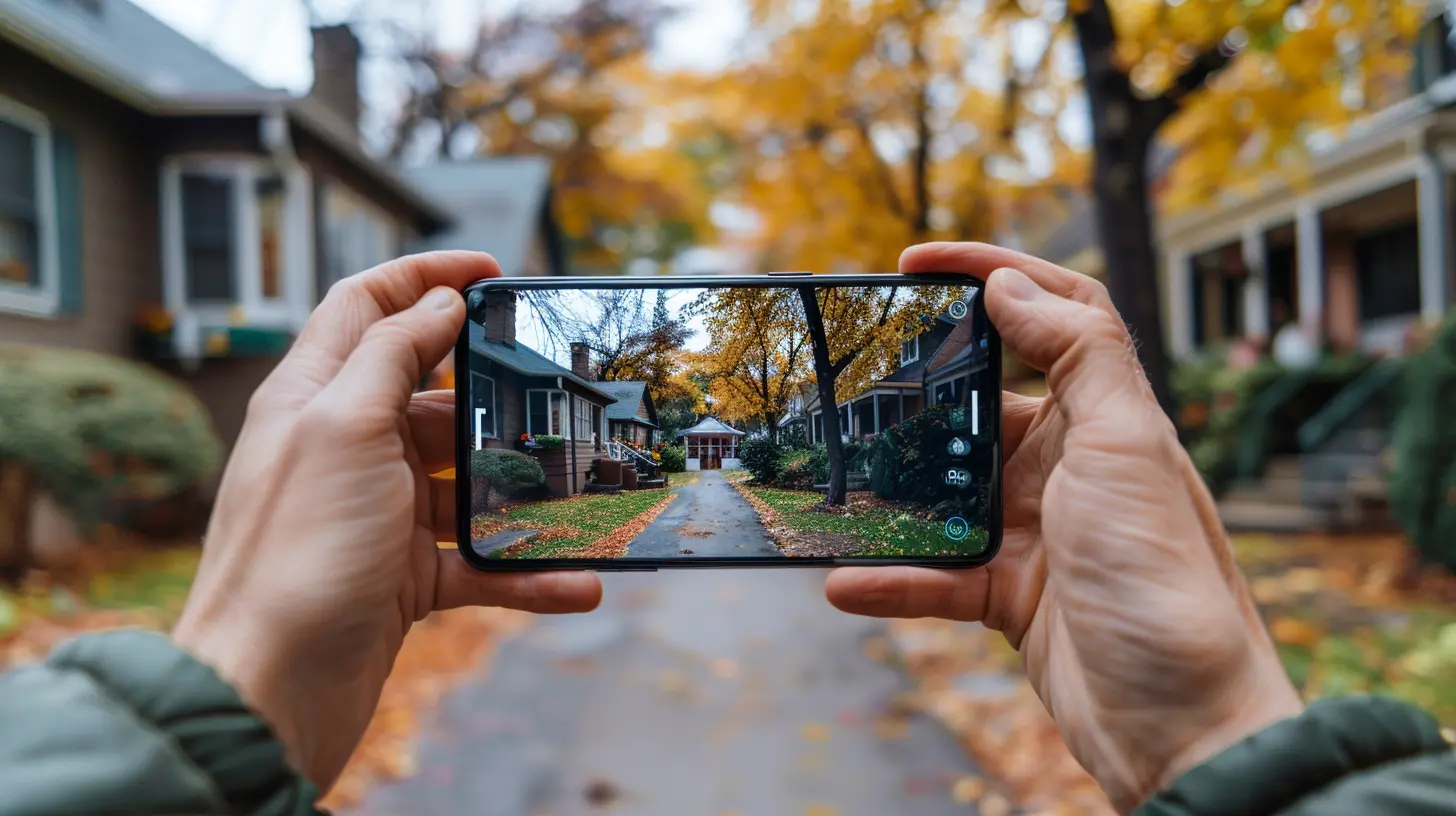
Technology has made it possible to walk through a home without physically setting foot inside. With VR and augmented reality (AR), potential buyers and investors can take a 360-degree virtual tour of a property from anywhere in the world.Why does this matter? Well, for starters, it saves time. Instead of visiting dozens of properties in person, you can filter out the ones that don’t meet your criteria right from your computer or smartphone.
AR for Renovation Planning
AR apps like Houzz and MagicPlan allow investors to visualize renovations before they even pick up a hammer. Want to see how a kitchen will look with granite countertops? Or how hardwood floors would change a room’s aesthetic? AR can overlay design options in real-time, helping investors make informed renovation decisions without costly trial and error.
3. Smart Home Tech: Boosting Property Value
The Demand for Smart Features
Today’s buyers love smart homes. Smart thermostats, security systems, and energy-efficient lighting not only make properties more appealing but can also boost resale value.For property flippers, integrating smart home technology can be a simple yet impactful way to increase a home's marketability. Devices like Ring doorbells, Nest thermostats, and smart locks create an added layer of convenience and security that modern buyers crave.

4. Digital Marketing & Social Media: Reaching Buyers Faster
Social Media Advertising for Maximum Exposure
Traditional real estate ads in newspapers or flyers are fading into obscurity. These days, platforms like Facebook, Instagram, and TikTok are the go-to places for promoting properties. High-quality photos, video tours, and compelling before-and-after transformation videos help flippers showcase their properties to a massive online audience.Paid digital ads also allow for hyper-targeting. Want to market your flipped home to first-time buyers in a specific city? Facebook Ads Manager and Google Ads make it possible to get your listing in front of the right people.
SEO & Real Estate Blogging: Driving Organic Leads
A strong online presence goes beyond just social media. Many successful investors use real estate blogs and SEO-optimized content to attract potential buyers and investors. A blog covering topics like "Best Neighborhoods for Property Flipping" or "How Smart Homes Increase Property Value" can help build credibility and drive organic leads.5. Blockchain & Smart Contracts: Secure & Fast Transactions
Reducing Fraud with Blockchain Technology
One of the biggest concerns in real estate transactions is fraud. Blockchain technology offers a secure and transparent way to store property records, reducing the risk of scams. Each transaction is recorded on a blockchain ledger, making it nearly impossible to alter records or falsify documents.Smart Contracts for Faster Closings
Real estate transactions often involve a ton of paperwork, which slows down the flipping process. Enter smart contracts—self-executing agreements stored on the blockchain. These digital contracts automatically release funds and ownership rights once conditions are met, eliminating the need for lengthy manual processing.By leveraging smart contracts, property flippers can close deals faster and reduce dependency on intermediaries, saving both time and money.
6. Drone Technology: Aerial Views & Property Inspections
Capturing Stunning Property Images
Drones have become an invaluable tool in real estate photography. They provide breathtaking aerial shots that can make a property stand out in listings. A well-shot drone video can highlight the surrounding neighborhood, nearby amenities, and overall property appeal, helping attract more interest.Efficient Roof & Exterior Inspections
Beyond photography, drones are also being used for property inspections. Checking the condition of a roof, gutters, or exterior walls is much easier (and less risky) with a drone than with traditional manual inspections. This technology allows investors to assess a property's condition quickly and accurately.7. Real Estate Crowdfunding Platforms: Expanding Investment Opportunities
Lowering the Barrier to Entry
Not everyone has hundreds of thousands of dollars sitting around to flip houses. That’s where real estate crowdfunding platforms come in. Websites like Fundrise, RealtyMogul, and Roofstock allow investors to pool their money together to finance property flips.This means even small-scale investors can get in on the action without having to shoulder the cost of an entire property. It’s a game-changer for those looking to start flipping without a massive upfront investment.
Automating Investment Management
Crowdfunding platforms also offer built-in analytics, automated investment management, and real-time performance tracking. These features help investors stay informed and maximize returns without micromanaging every aspect of the flip.
Final Thoughts: Technology is Reshaping Property Flipping
Technology has transformed property flipping into a faster, smarter, and more efficient business. From AI-driven market analysis and virtual reality tours to blockchain-secured transactions and real estate crowdfunding, modern tech is opening up new opportunities for seasoned and aspiring investors alike.If you're looking to get into house flipping, embracing these technological advancements can give you a competitive edge. The future of property flipping isn’t just about bricks and mortar—it’s about data, digital tools, and next-level innovation. So, why not leverage technology to flip smarter and profit more?
all images in this post were generated using AI tools
Category:
Property FlippingAuthor:

Basil Horne
Discussion
rate this article
2 comments
Zeal McGuffey
Great article! It's exciting to see how technology is transforming property flipping. From virtual tours to smart home features, there are so many tools that can help maximize profits and streamline the process. Embrace the tech and happy flipping... your next success story awaits!
September 9, 2026 at 7:03 AM
Miles McCartney
It's fascinating how technology reshapes property flipping. From virtual tours to data analytics, these tools seem to open new doors for investors. I wonder what the next big innovation will be.
September 5, 2026 at 3:34 AM