The Role of Inspectors in the Building Permit Process
21 May 2026
Building a dream home? Launching a commercial project? No matter the scale, there’s one key player who ensures everything stands strong—both structurally and legally. Enter the building inspector.
They’re not just clipboard-wielding professionals checking off boxes. They are the guardians of safety, the gatekeepers of regulations, and the unsung heroes of the construction world. Without them, buildings might crumble, safety could be compromised, and legal nightmares could unfold.
But what exactly do inspectors do in the building permit process? Let’s break it down, brick by brick. 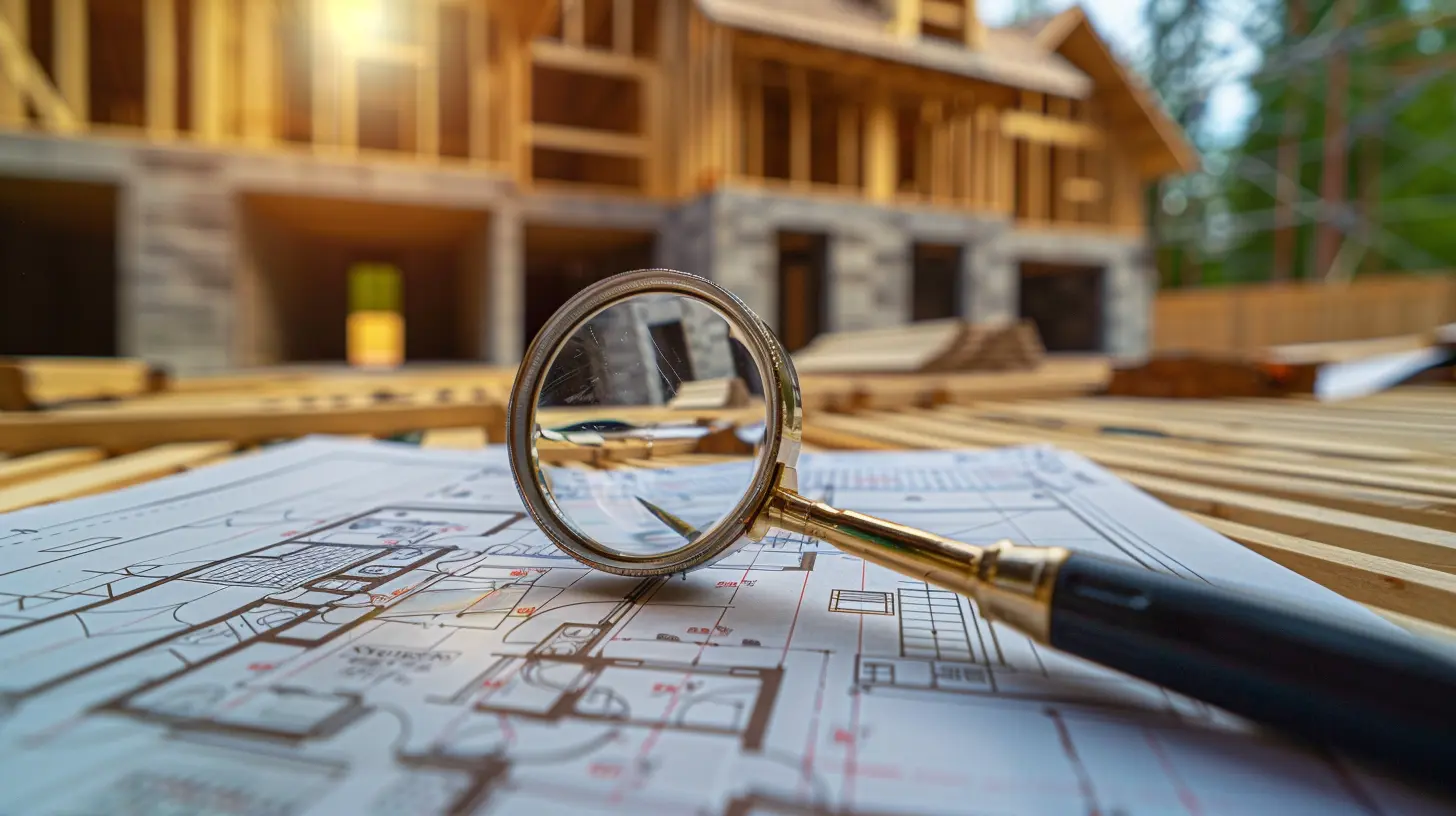
What Is a Building Permit, and Why Does It Matter?
Before we talk about inspectors, we need to understand building permits.A building permit is like a golden ticket—without it, you can’t legally start construction. It’s issued by local governments to confirm that new buildings, renovations, or demolitions meet specific safety codes, zoning laws, and regulations.
Think of it as a roadmap ensuring that structures are built correctly, safely, and in compliance with the law. Skipping this step? That could mean fines, delays, or even tearing down what you’ve built.
Enter the building inspectors—the watchful eyes who make sure everything is in order. 
Building Inspectors: The Silent Protectors of Construction
Building inspectors are not just there to make your life difficult by pointing out flaws. They play a critical role in ensuring that buildings are safe, functional, and compliant with regulations. Their job is a blend of technical expertise, regulatory oversight, and a keen eye for detail.When Do Inspectors Get Involved?
Building inspectors aren’t just a one-time check-in kind of deal. They’re involved throughout the permit process, ensuring that everything is up to code at multiple stages. Here’s how:1. Before Construction: The Pre-Permit Phase
Before you lift a single brick, an inspector may review your blueprints, ensuring they align with zoning laws, safety codes, and structural standards. This helps to spot potential issues before they become expensive mistakes.
2. During Construction: Site Inspections
Once construction begins, inspectors make routine visits to ensure everything is being built according to the approved plans. They check foundation work, framing, electrical wiring, plumbing, and more, flagging anything that deviates from regulations.
3. After Construction: Final Approvals
Before you can move in and call it home, the final approval is needed. Inspectors ensure that every part of the project—from safety systems to structural integrity—meets building codes before issuing a certificate of occupancy. Without this, the building cannot legally be used. 
Why Are Building Inspectors So Important?
Some might see inspectors as hurdles in the construction process, but in reality, they are the pillars of safety and quality. Their role is crucial for several reasons:1. They Keep People Safe
Imagine living in a house where the foundation is weak, the electrical wiring is faulty, or fire escapes are non-existent. Building inspectors prevent disasters before they happen by ensuring structures are up to code.2. They Ensure Legal Compliance
Building codes aren’t just arbitrary rules—they exist to ensure health, safety, and sustainability. Inspectors make sure builders adhere to local laws, avoiding legal troubles that could arise from non-compliance.3. They Protect Investment Value
A poorly built home or commercial property can lead to massive devaluation. By ensuring everything is built to last, inspectors help maintain the long-term integrity and market value of a property.4. They Prevent Costly Mistakes
Spotting issues early saves time and money. Fixing faulty plumbing before walls go up is much cheaper than tearing them down later to address a hidden leak.
What Do Inspectors Check During the Permit Process?
A building inspector’s checklist is long, but here are some of the critical aspects they examine:1. Structural Integrity
From foundation to framing, inspectors ensure buildings are stable, durable, and capable of withstanding environmental factors like wind, earthquakes, and heavy loads.2. Electrical Systems
Safety first! Inspectors check wiring, grounding, circuit breakers, and electrical panels to prevent hazards like fires and electrocution.3. Plumbing and Water Systems
Proper drainage, sewage, and water supply systems are essential. Inspectors verify that pipes are properly installed to prevent leaks, contamination, or flooding.4. Fire Safety Compliance
Are fire exits accessible? Are smoke detectors and sprinkler systems properly placed? Fire safety measures are non-negotiable in any building project.5. Energy Efficiency and Environmental Standards
Modern regulations include standards to enhance energy efficiency, like proper insulation, ventilation, and eco-friendly materials. Inspectors ensure that buildings comply with these requirements.Common Issues That Inspectors Flag
Inspectors have a keen eye for detail, and they don’t miss much. Some of the most common issues they flag during inspections include:✅ Improper Foundation Work – Weak or unstable foundations can jeopardize the entire structure.
✅ Faulty Electrical Wiring – Incorrect wiring can lead to dangerous electrical fires.
✅ Plumbing Mistakes – Leaks, clogs, or incorrect pipe placements can cause costly damages.
✅ Structural Deficiencies – Issues with framing, roofing, or load-bearing walls can lead to failure.
✅ Insufficient Fire Safety Measures – Missing fire alarms, improper fire exit access, or lack of sprinklers.
What Happens If You Fail an Inspection?
So, what if an inspector finds issues? Does everything come to a standstill? Not necessarily.1. You’ll Receive a Report – The inspector will detail what needs to be corrected.
2. Corrective Actions Must Be Taken – Builders must fix the flagged issues.
3. Follow-Up Inspections – Once corrections are made, the inspector returns to verify compliance.
Failing an inspection isn’t the end of the road, but it does mean extra work. That’s why working with experienced contractors and staying compliant from the start is the best approach.
How to Navigate the Inspection Process Smoothly
Want to keep your project moving without headaches? Here are some pro tips:? Work With Licensed Contractors – Experienced professionals know the ins and outs of building codes.
? Be Proactive, Not Reactive – Address potential issues before inspectors flag them.
? Keep Documents Organized – Having permits, blueprints, and compliance records handy speeds up the process.
? Schedule Inspections Early – Don’t wait until the last minute; book inspections ahead of time.
? Communicate With Inspectors – Ask questions and seek clarity—it helps prevent misunderstandings.
Final Thoughts: Inspectors Are Your Allies, Not Your Enemies
In the grand symphony of construction, building inspectors are the conductors of safety and compliance. They may seem like strict enforcers, but in reality, they are partners in the pursuit of excellence and security.Their role ensures that every building stands strong, safe, and law-abiding, shielding people from risks, protecting investments, and fostering better communities.
So, the next time you see an inspector with a checklist in hand, remember—they’re not there to give you a hard time; they’re there to make sure buildings stand the test of time.
all images in this post were generated using AI tools
Category:
Building PermitsAuthor:

Basil Horne
Discussion
rate this article
1 comments
Sierra Middleton
Inspectors are like reality check buddies for your building dreams. They help ensure your vision won't collapse... literally!
May 24, 2026 at 12:18 PM
Basil Horne
Absolutely! Inspectors play a crucial role in turning your dreams into safe realities. Their insights can save you from potential pitfalls.