The Role of Building Permits in Multi-Unit Developments
23 June 2026
When you're planning a multi-unit development, whether it's an apartment complex, a townhome community, or a condominium building, there's one crucial step you can't afford to overlook—building permits. These permits are the gatekeepers of legal, safe, and successful construction projects. But why are they so important? And what happens if you try to cut corners?
In this article, we'll break down the role of building permits, why they matter, and how they impact multi-unit developments. So, if you're a developer, investor, or just someone curious about the process, keep reading.
What Are Building Permits?
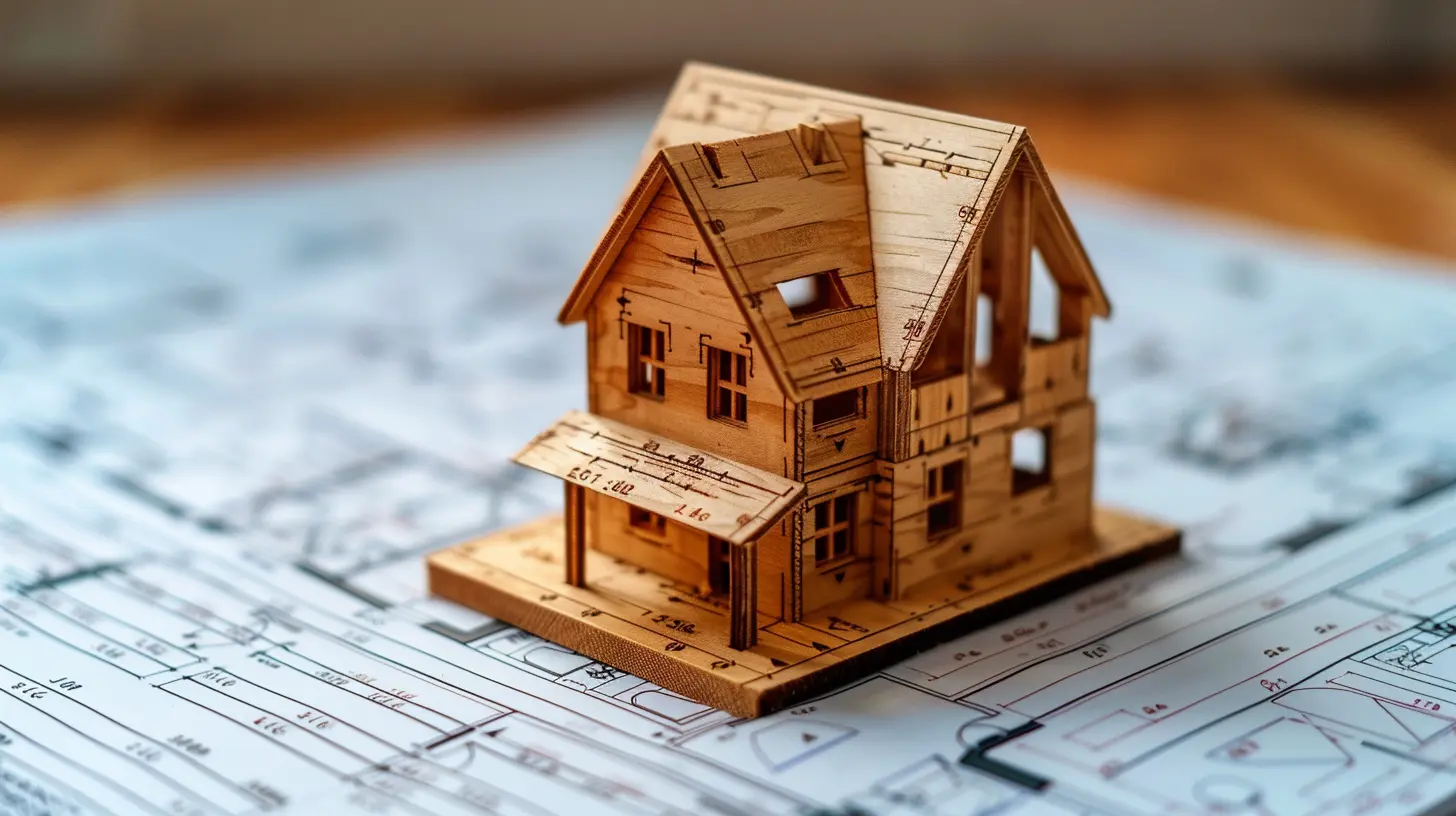
At their core, building permits are official approvals from local government agencies that allow you to proceed with construction. Think of them as a permission slip from the authorities, ensuring that your project meets safety codes, zoning laws, and other regulations.For multi-unit developments, these permits are even more critical because they involve multiple dwellings within one property, making the approval process more complex than a single-family home.
Why Are Building Permits Important?
You might be wondering—why go through all the hassle of obtaining a permit? Can’t you just build and deal with the paperwork later? Short answer: No. Here’s why building permits are essential in multi-unit developments.1. Ensuring Safety and Compliance
One of the biggest reasons permits exist is to ensure safety. Without proper oversight, buildings might not be structurally sound, electrical systems could be faulty, and fire safety measures might be inadequate. A permit ensures that your project follows all safety codes to protect future residents.2. Avoiding Legal Issues and Fines
Skipping permits might seem like a time-saver, but it can lead to hefty fines, legal action, or even a forced demolition. Local authorities take these regulations seriously, and if you don’t comply, your project could be shut down before it even gets off the ground.3. Maintaining Property Value
Imagine trying to sell a multi-unit building that wasn’t built to code. Potential buyers (and their lenders) will likely require proof that everything was done legally and safely. If they find out permits were skipped, it could hurt your property’s value and make it much harder to sell.4. Facilitating Smooth Project Execution
Permits aren’t just bureaucratic red tape—they also help organize and streamline your construction project. By obtaining necessary approvals upfront, you reduce the risk of costly changes, delays, or disputes down the road.
Types of Building Permits for Multi-Unit Developments
Not all permits are created equal. Depending on your project, you’ll need various permits before starting construction. Here are some of the most common ones:1. Zoning Permits
Before you even think about construction, you need to make sure your property is zoned for multi-unit development. Zoning permits ensure your project aligns with local laws regarding land use, density, and building height.2. Building Permits
This is the primary permit that covers the actual construction of the structure. It ensures that your project complies with safety codes, structural integrity requirements, and local building ordinances.3. Electrical Permits
Any electrical work, from wiring to panel installations, requires a separate permit. This ensures that electrical systems are installed safely to prevent fire hazards and power failures.4. Plumbing Permits
Since multi-unit buildings require extensive plumbing systems, a dedicated permit is needed to verify that water supply, drainage, and sewage systems are up to code.5. Mechanical Permits
If your building includes HVAC (Heating, Ventilation, and Air Conditioning) systems, a mechanical permit is required to ensure proper installation and energy efficiency.6. Environmental and Special Permits
Depending on the location and size of the development, you may also need permits for environmental impact, demolition, or even tree removal.
Steps to Obtain a Building Permit for Multi-Unit Developments
Now that you understand the importance of permits, let’s talk about how to get them. While the process varies by location, here are the general steps:1. Pre-Application Research
Before submitting any paperwork, meet with local building officials to discuss regulations and zoning requirements. This helps you avoid unnecessary delays later on.2. Prepare Detailed Plans and Documentation
Authorities will require blueprints, engineering reports, and other documentation to review your project. Make sure your designs align with all local building codes and ordinances.3. Submit Your Application
Once your plans are finalized, submit your application to the appropriate government agency. Fees are usually involved, and processing times can vary.4. Plan Review and Revisions
Officials will review your submission to check for potential issues or violations. You may need to revise and resubmit plans multiple times before receiving approval.5. Permit Issuance
Once your application is approved, you’ll receive a building permit that allows you to begin construction legally.6. Inspections During Construction
Throughout the building process, inspectors will visit the site to ensure compliance with approved plans. Failing inspections could lead to costly modifications.7. Final Approval and Certificate of Occupancy
After the project is complete, a final inspection is conducted. If everything checks out, you’ll receive a Certificate of Occupancy, allowing residents to move in.What Happens If You Skip the Permit Process?
Let’s be real—some developers are tempted to skip permits, thinking they can save time or money. But this shortcut can lead to serious consequences:- Fines and Legal Penalties – Local authorities can impose significant fines or even halt your project entirely.
- Demolition Orders – If your building doesn’t meet regulations, you might be forced to tear down non-compliant sections.
- Difficulty Selling or Renting – Buyers and renters want assurance that a property is safe and legal. Lack of permits can make financing and transactions nearly impossible.
- Insurance Issues – If something goes wrong, insurance companies may refuse to cover damages if they discover the building wasn’t permitted.
In short, skipping permits is playing with fire—literally and figuratively.
How Long Does the Permit Process Take?
The timeline for obtaining permits depends on multiple factors, including:- The complexity of your project
- Local government efficiency
- Required approvals from environmental or community boards
For small multi-unit projects, it may take a few weeks, but larger developments could take several months—or even years—especially if rezoning is required. Planning ahead is crucial to avoid unnecessary delays.
Final Thoughts
Building permits might seem like a bureaucratic headache, but they’re there for a reason. For multi-unit developments, they ensure safety, protect investments, and keep everything above board legally.While the process can be time-consuming, the risks of skipping it far outweigh the benefits. So, if you're diving into a multi-unit development, make sure you're playing by the rules—because a solid foundation starts with proper permits.
all images in this post were generated using AI tools
Category:
Building PermitsAuthor:

Basil Horne
Discussion
rate this article
1 comments
Solara McClure
Building permits are crucial in multi-unit developments, ensuring compliance with regulations, maintaining safety standards, and facilitating community planning for sustainable growth.
July 20, 2026 at 1:00 PM
Basil Horne
I appreciate your insights. Building permits truly play a vital role in ensuring our communities develop safely and sustainably.