The Legal Implications of Buying a Home with Unpermitted Work
14 February 2026
So, you've found the house of your dreams—it’s charming, spacious, and even has that fancy sunroom you've always wanted. There's just one little problem: some of the work on the house wasn't exactly... let's say, approved by the city. Uh-oh.
Buying a home with unpermitted work can feel like discovering your dream car has no brakes—sure, it looks great, but the trouble lurking beneath the surface might cost you big time. Before you fall into this legal rabbit hole, let's break down what this means for you, the potential homeowner. 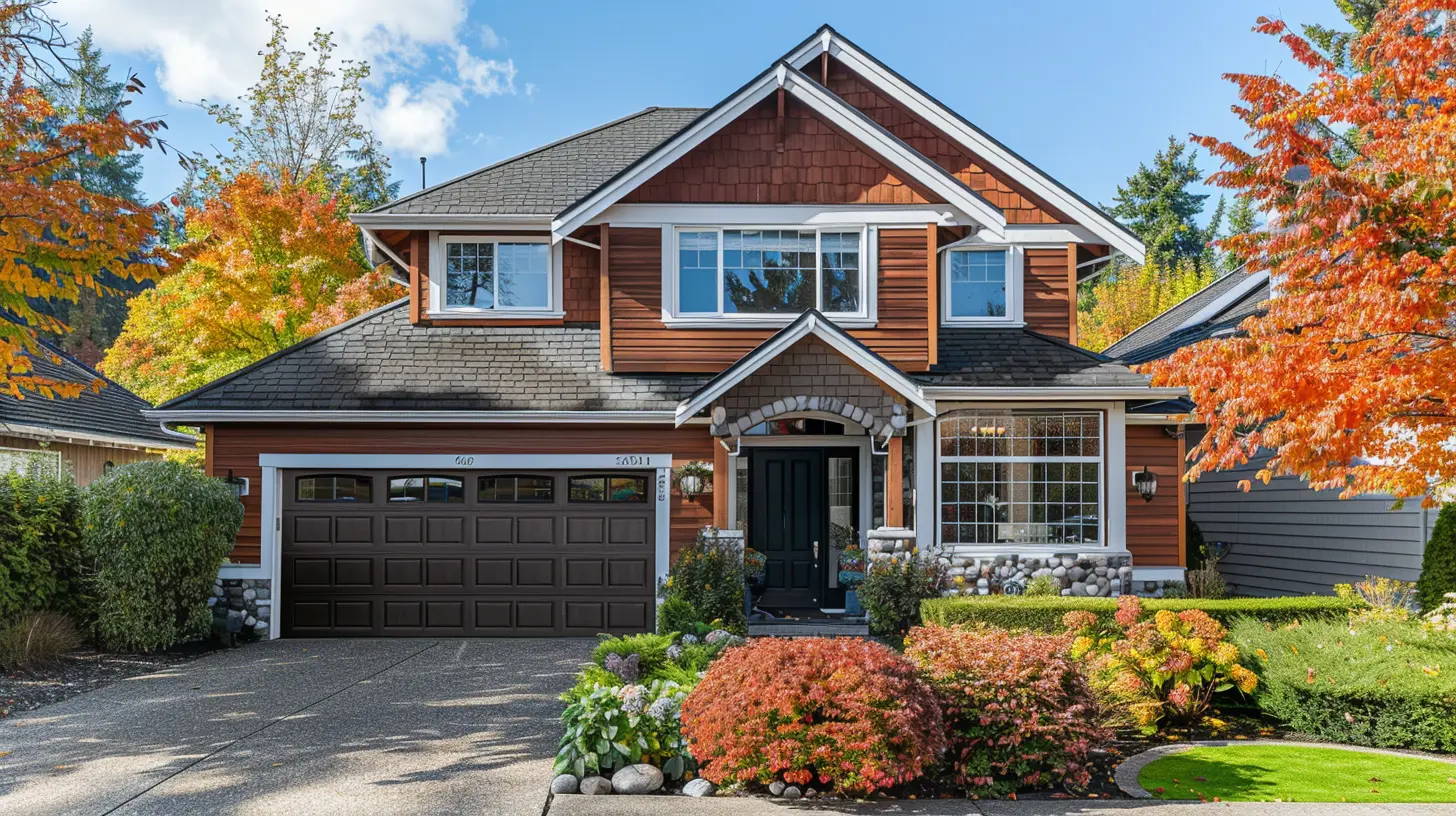
What is Unpermitted Work, Anyway?
Before we dive into the legal quagmire, let's clear up what "unpermitted work" actually means. Basically, it refers to any renovations, additions, or structural changes that were done without getting the proper permits from the local building department.This could be:
- A finished basement that’s not up to code
- An extended deck that’s just hoping to stay attached
- A kitchen remodel that skipped the pesky paperwork
- An extra bedroom that came out of nowhere
While unpermitted work isn't inherently dangerous, it's the potential legal and financial consequences that should make you pause. 
Is Buying a Home with Unpermitted Work Illegal?
Nope, buying a home with unpermitted work isn't illegal. But, and it’s a big “but,” that doesn’t mean you’re off the hook. When you take ownership of a home with work that wasn’t approved, the problems that come with it become your responsibility. Essentially, you’re inheriting someone else’s shortcuts.That means:
- The city might force you to fix or remove the unpermitted work (even if you didn’t do it).
- You could face fines or penalties.
- Insurance companies might refuse to cover claims related to the unpermitted parts of the home.
So while you can buy such a home, the real question is—should you? 
The Risks of Buying a Home with Unpermitted Work
Alright, let’s get into the nitty-gritty. There are several risks you need to consider before signing that mortgage paperwork.1. Code Violations Can Haunt You
Picture this: You’re living happily in your new home when suddenly, a city inspector knocks on your door. Turns out, your fancy new deck isn’t up to code, and now you have two choices:- Tear it down
- Pay up and bring it up to code
Neither of these options is exactly fun, and both cost money.
2. Insurance Headaches
Think your homeowner’s insurance has your back? Think again. If a house fire starts in your unpermitted electrical work, or if that DIY second-story addition collapses, insurance might not cover the damage. In other words, you're left footing the bill.Insurance companies love following the rulebook, and unpermitted work screams "rulebreaker."
3. Resale Nightmares
Let’s fast forward a few years. You’re ready to sell and move into your next dream home. But wait, that unpermitted work? Potential buyers will be just as cautious as you (or at least, they should be).- Appraisers might undervalue your home.
- Buyers could back out once they hear about the issue.
- You may have to lower the price or get the work permitted retroactively (which is both painful and expensive).
In short, that cheap shortcut the previous homeowner took? It could hurt your wallet down the line.
4. Lender Problems
Mortgage lenders like things to be neat and tidy. If unpermitted work exists, lenders might refuse to issue a loan. That means fewer financing options, which could make buying the home nearly impossible—or force you into a high-interest loan with worse terms.
Can You Fix Unpermitted Work After Buying?
Now, let's say you love this house, and you're willing to do what it takes to make it right. Can you actually fix unpermitted work after buying? Absolutely—but it’s not always easy.Option 1: Get a Retroactive Permit
In some cases, you can apply for after-the-fact permits. This means bringing in inspectors, possibly tearing down parts of the work to check for compliance, and making necessary changes to meet current building codes.Be warned—this can get expensive, and if your home doesn’t meet code, you might have to demolish the work entirely.
Option 2: Negotiate with the Seller Before Buying
Before you buy, try using the unpermitted work as a bargaining chip:- Request a price reduction to cover the costs you’ll incur fixing the issue.
- Ask the seller to get the necessary permitting before closing.
- Check if the seller can provide documentation proving the work was done safely (even if not officially permitted).
Option 3: Accept the Risk and Go for It
Look, if you’re a contractor or super handy with renovations, you might be willing to take the gamble. Just know that this is a risk-heavy approach, and you should always consult a real estate lawyer if you go this route.How to Avoid Buying a Home with Unpermitted Work
If you’d rather dodge this headache altogether, here’s how to protect yourself before buying:1. Hire a Qualified Home Inspector – They might spot unpermitted work, but don’t stop there.
2. Check Permits with the City – Look up the property's permit history to see if everything’s above board.
3. Request Seller Disclosures – Sellers are often required to disclose known unpermitted work, but some conveniently “forget” to mention it.
4. Work with a Real Estate Agent Who Knows Their Stuff – A savvy agent can guide you through this tricky territory.
5. Consult a Real Estate Attorney – If you’re seriously considering a home with unpermitted work, bringing in a lawyer could save you a world of trouble.
Final Thoughts
Buying a home with unpermitted work is a gamble—sometimes you win, sometimes you find yourself stuck with costly fines, insurance nightmares, or major renovation work. While it’s not inherently illegal, the responsibility (and financial burden) falls on you.Before signing on the dotted line, make sure you do your homework. Because let’s be real—surprises are great for birthdays, not for homeownership.
all images in this post were generated using AI tools
Category:
Legal ConsiderationsAuthor:

Basil Horne
Discussion
rate this article
2 comments
Hayden Lamb
This article effectively highlights the potential risks of purchasing a home with unpermitted work. Understanding these legal implications can save buyers from costly repairs and legal issues down the line. Thorough due diligence is essential.
February 27, 2026 at 3:44 AM
Basil Horne
Thank you for your insightful comment! I'm glad you found the article helpful in emphasizing the importance of due diligence when purchasing a home with unpermitted work.
Dominique Vaughn
Buying a home with unpermitted work is like adopting a cat with a questionable past: adorable but full of surprises! Just like you wouldn't want a cat that thinks it can fly, ensure those renovations are legit before signing the papers. Happy house hunting and may your permits be plentiful!
February 14, 2026 at 11:56 AM
Basil Horne
Great analogy! It’s crucial to thoroughly vet unpermitted work to avoid unexpected issues down the line. Happy house hunting!