The Influence of Location on Home Equity Growth Over Time
8 April 2026
When it comes to buying a home, the old saying rings true: location, location, location. But have you ever wondered why location is such a huge factor in a property's value? More importantly, how does location influence home equity growth over time?
If you're a homeowner or an investor, understanding how location affects your home's equity can help you make smarter decisions. So, let's break it down and see why certain areas see skyrocketing values while others barely budge.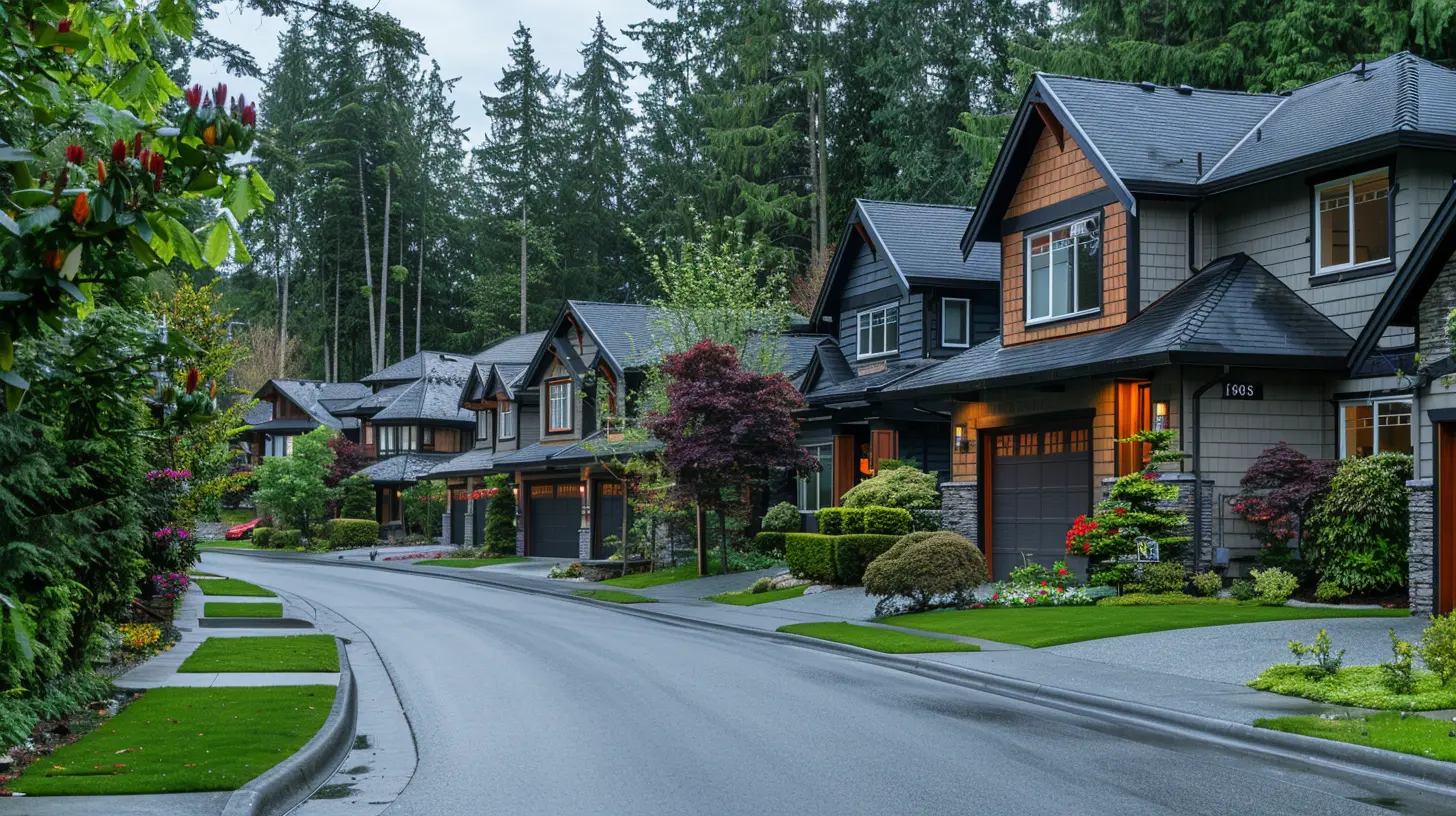
What Is Home Equity?
Before diving into location specifics, let’s make sure we’re on the same page about home equity.Simply put, home equity is the difference between what your home is worth and how much you owe on it. Think of it as the portion of your home that you actually own, rather than what the bank owns.
Here's a basic formula:
Home Equity = Market Value of Home – Mortgage Balance
The good news? Over time, home equity tends to grow. This happens when:
- You pay down your mortgage (reducing the amount you owe).
- Your home appreciates in value (meaning its market value increases).
And that’s where location comes into play. Some locations will send your home’s value soaring, while others may barely move the needle.
How Location Shapes Home Equity Growth
1. Supply and Demand: The Market Forces at Play
At its core, real estate follows the basic rules of supply and demand. If many buyers want to live in a specific area but there's limited housing available, prices increase.A few factors that drive demand:
- Job Opportunities – Cities with strong job markets attract more people.
- Schools & Education – Good school districts often drive up home prices.
- Amenities & Lifestyle – Proximity to parks, restaurants, and entertainment boosts value.
For example, homes in tech hubs like San Francisco or Seattle have seen massive appreciation because of the influx of workers drawn to big companies like Google, Amazon, and Microsoft.
2. Urban vs. Suburban vs. Rural: Which Wins?
Where you choose to buy—whether in a city, suburb, or rural area—can make a big difference in how quickly (or slowly) your home appreciates.- Urban Areas
- High demand due to job opportunities and lifestyle perks.
- Space is limited, making properties even more valuable.
- Higher appreciation potential but often pricier upfront.
- Suburban Areas
- More affordable than urban homes but still see steady appreciation.
- Desirable for families looking for good schools and larger homes.
- Can experience rapid growth when cities expand outward.
- Rural Areas
- Typically cheaper but experience slower appreciation.
- Limited job opportunities can keep demand low.
- Good for long-term investors but not ideal for quick equity gains.
Cities may see faster appreciation, but suburban areas often strike a great balance between affordability and equity growth.
3. The Impact of Infrastructure & Development
Ever noticed how property prices jump when a new highway, airport, or train station is built? That’s because infrastructure improvements increase accessibility, making the area more attractive.Infrastructure can include:
- Public Transport Access – Cities with extensive metro or rail systems tend to see higher home appreciation.
- New Highways – Improved road networks can make suburban living more appealing.
- Shopping & Entertainment Hubs – The addition of malls, restaurants, and entertainment spots make an area more desirable.
For instance, home values in Dallas suburbs surged once new highways made commuting into the city easier.
4. The Role of Economic Growth and Employment
A thriving job market isn’t just good for workers—it’s fantastic for homeowners. Cities with expanding industries tend to attract more people, pushing housing demand (and prices) higher.Examples of Cities with Strong Home Equity Growth:
- Austin, TX – Rapid job growth in the tech sector has driven up home values.
- Raleigh, NC – A growing pharmaceutical and research scene has made this a hot market.
- Denver, CO – A combination of tech businesses and outdoor lifestyle keeps demand high.
On the flip side, cities with shrinking job markets often experience a decline in home values. If people are leaving an area, demand drops, and home prices can stagnate—or worse, decline.
5. School District Quality: A Hidden Equity Booster
For families, education is a top priority. Homes in top-rated school districts tend to see faster appreciation rates because families are willing to pay a premium for better education.- Highly ranked schools mean higher property demand.
- Even buyers without kids factor in school quality because it impacts resale value.
- Properties in top school districts can retain value better during economic downturns.
In short, a good school district can act like a safety net for your property's value.
6. Neighborhood Trends: The "Hot" Factor
Ever notice how some neighborhoods suddenly become hot real estate markets? This often happens due to gentrification or revitalization efforts.- Once overlooked areas may become trendy due to new businesses and investments.
- Historic districts with restored homes often see increased demand.
- Neighborhoods with a thriving arts or food scene tend to appreciate faster.
Take Brooklyn, NY, for example. Once considered a cheaper alternative to Manhattan, Brooklyn’s home prices have soared as it became a destination in its own right.
How to Choose a Location for Maximum Equity Growth
If you're planning to buy a home and want to maximize equity growth, keep these tips in mind:1. Look at Job Trends – Cities with growing industries tend to have stronger home price appreciation.
2. Check School Ratings – Even if you don’t have kids, homes in good school districts hold value better.
3. Assess Infrastructure Development – New highways, public transport, and amenities can boost property values.
4. Pay Attention to Population Growth – More people moving in means greater housing demand.
5. Watch for Emerging Neighborhoods – Areas undergoing gentrification can be goldmines for property appreciation. 
The Bottom Line
At the end of the day, location isn’t just about where you live—it’s about how much your home will be worth down the road. A great location can mean the difference between steady home equity growth and a stagnant investment.If you're looking to build wealth through real estate, make sure to do your homework on market trends, job growth, and local development. Because when it comes to home equity, location isn’t just important—it’s everything.
all images in this post were generated using AI tools
Category:
Home EquityAuthor:

Basil Horne
Discussion
rate this article
2 comments
Leo McVaney
Location is like the secret sauce in the real estate recipe—some areas are gourmet while others are instant noodles! 🏡✨ If your home equity were a plant, let’s just say some gardens grow more fabulous flowers! 🌸💰
April 20, 2026 at 4:23 AM
Basil Horne
Absolutely! The right location can really boost home equity, just like a great garden yields the best blooms. It's all about that perfect mix!
Seraphine McLain
This article highlights a crucial aspect of real estate—location is key. Understanding how it influences home equity growth can empower buyers and investors to make informed decisions. Great insights!
April 13, 2026 at 11:39 AM
Basil Horne
Thank you! I'm glad you found the insights valuable—location truly plays a vital role in real estate decisions.