The Importance of a Detailed Renovation Plan in Property Flipping
15 July 2026
Flipping houses can feel like a wild rollercoaster ride—equal parts excitement, stress, and (hopefully) satisfaction. Ask any seasoned real estate investor, and they'll tell you the same thing: the key to flipping success isn't just buying low and selling high. It's having a rock-solid, detailed renovation plan.
Sounds boring? Maybe. But it’s the secret sauce behind every profitable flip. Without a clear plan, things fall apart fast—budgets balloon, timelines stretch out, and that “quick flip” suddenly becomes a money pit.
So, let’s dive into why having a detailed renovation plan is absolutely crucial if you want to make serious money (and avoid serious headaches) in property flipping.
What Is a Renovation Plan, Anyway?
Okay, first things first—a renovation plan is exactly what it sounds like. It's a documented strategy that outlines what changes you’ll make to a property, how much they'll cost, how long they’ll take, and who’s going to do the work. Think of it like the GPS guiding your journey from fixer-upper to market-ready goldmine.It's More Than a To-Do List
A true renovation plan dives deep. It includes:- A full assessment of the property’s current condition
- A prioritized list of renovations (what needs fixing now vs. what can wait)
- A realistic budget, broken down by project
- A timeline with deadlines and milestones
- Permitting and inspection schedules
- Contractor quotes and vendor details
- Contingency plans (because surprises always happen)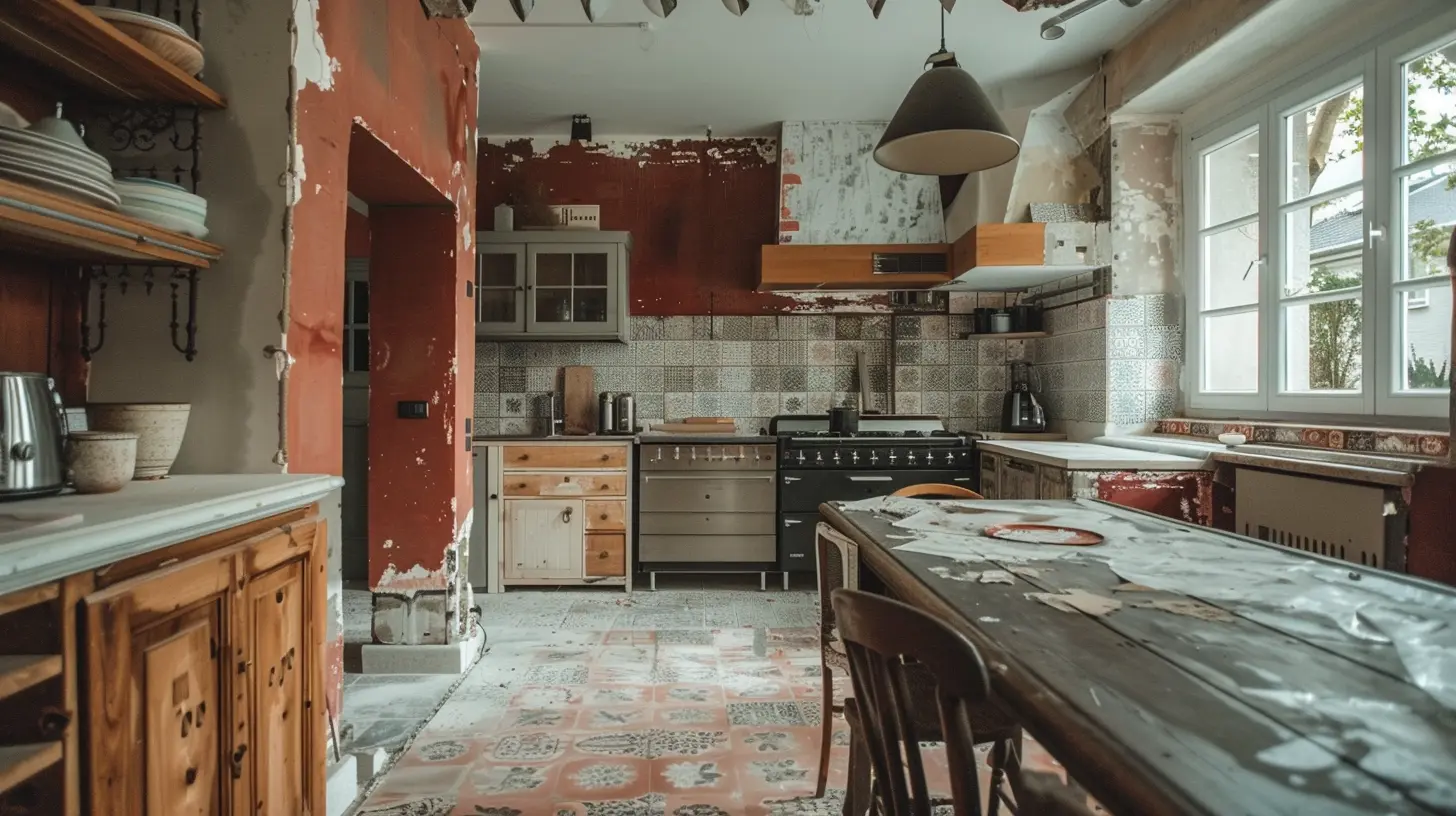
Why You Need a Renovation Plan for Flipping Success
Still on the fence? Let’s break down why skipping this step is a rookie mistake—and how a solid plan can be your flipping superpower.1. It Keeps Your Budget on Track
Renovations can burn through cash faster than you can say "open floor plan." Without a detailed plan, you're basically writing a blank check and hoping for the best.When you've got every repair and update mapped out with estimated costs, you can set a tight budget and actually stick to it. Better yet, you’ll be ready to prioritize. If the budget gets tight, you’ll know what’s essential and what’s just wishful thinking.
?️ Real Talk: A new roof isn't as sexy as granite countertops, but if water’s leaking into the bedroom, guess which one takes priority?
2. You Can Set a Realistic Timeline
Time is money when you’re flipping. Every extra day holding that property means another day of mortgage payments, utility bills, insurance, and stress. A renovation plan lets you schedule out each phase of the project, from demo day to staging.And let's be honest—construction delays are practically guaranteed. But with a timeline, you'll be able to spot delays early and pivot accordingly.
? Pro Tip: Add buffer time between major phases. That way, when the plumber ghosts you for a week (it’ll happen), you’re not totally derailed.
3. It Helps You Avoid Costly Mistakes
Without a plan, it’s way too easy to make decisions based on gut feelings or shiny Pinterest ideas. Bad move.For example, say you splurge on designer lighting for the kitchen, only to realize the electrical system needs a full upgrade. Now your "smart lights" are more like expensive paperweights.
Planning forces you to look at the bones of a property before focusing on the cosmetic stuff. That way, you won’t waste money on improvements that don’t increase resale value—or worse, need to be redone.
? Remember: Pretty doesn’t always pay. Buyers care about what they can’t see too—like the plumbing, wiring, and insulation.
4. It Improves Communication With Contractors
Ever tried explaining a vague vision to a contractor and expecting them to magically nail it? Yeah, not gonna happen.Contractors love detailed plans. They need specifics—what materials, where, when, how much. The more you give them upfront, the less room there is for mistakes, arguments, or unexpected costs.
Having a renovation plan makes you look like a pro. It shows contractors you’ve done your homework, and they’re more likely to respect your time and budget as a result.
? Bonus: You’ll also be better equipped to compare quotes and avoid getting ripped off.
5. It Helps With Financing and Investor Confidence
If you’re pulling funds from a hard money lender, a bank, or a private investor, be ready to show them a plan. They want to see that you’ve thought this through—that their money’s going toward something structured and smart, not a spur-of-the-moment gut job.Detailed plans give lenders (and potential partners) confidence. It says, “Hey, I’ve got this.” And in the world of property flipping, confidence backed by data is everything.
? Financing Hack: Some lenders will even offer better terms if you’ve got a killer plan. The less risky the flip looks, the more favorably they’ll treat your loan.
How to Build a Killer Renovation Plan
Feeling convinced yet? Awesome. Now let’s talk about how to actually build one.Step 1: Inspect Everything—Literally Everything
Before you swing a hammer, walk through the property with a fine-tooth comb. Look beyond what’s visible. Take notes on structural issues, electrical panels, roofing, HVAC, plumbing, mold, the whole shebang.If you’re not an expert, bring in a home inspector. Trust me—it’s worth every penny.
Step 2: Prioritize Repairs and Upgrades
Sort your notes into three buckets:1. Must-haves (safety issues, code compliance, major damages)
2. Value-adds (kitchen remodels, curb appeal, finished basements)
3. Nice-to-haves (high-end finishes, smart home tech)
Focus your budget on categories 1 and 2. Resist the urge to overspend on aesthetics unless you’re already ahead of schedule and budget.
Step 3: Get Accurate Estimates
Call up contractors, get quotes, and compare. Be thorough and ask about all potential costs, including materials, labor, permits, and disposal.Plug those numbers into your plan—and don't forget to pad it with a 10-20% contingency buffer for unexpected expenses.
Step 4: Create a Realistic Timeline
Break the renovation into phases:- Demo
- Structural repairs
- Systems (plumbing, electrical, HVAC)
- Interior finishes (flooring, walls, cabinetry)
- Final touches and staging
Assign time estimates to each phase and build in buffer time. Use tools like Gantt charts or project management apps to visualize the schedule.
Step 5: Document Everything
Your renovation plan should live in a document that covers:- Scope of work
- Itemized budget
- Contractor info
- Permits needed
- Timeline with milestones
- Material specs
- Before photos (very helpful for reference)
Digital or printed, keep this plan updated regularly. Treat it like a living document that evolves with your flip.
The Ripple Effect of Good Planning
Here's the fun part: When you plan well, the benefits ripple out across the entire flip.- You stay under budget. That means higher profits.
- You finish faster. That means quicker returns.
- Your contractors respect you. That means smoother execution.
- The final product is stronger. That means better offers.
- And most of all—you sleep better at night. That means less stress.
It’s easy to see flips on HGTV and think they’re all about paint colors and quick cash. But the really successful flips? They start on paper, not with a sledgehammer.
Avoiding the Top 3 Renovation Planning Mistakes
Even experienced flippers mess up sometimes. Here are the three biggest mistakes to avoid:1. Underestimating Costs
Whether it’s materials, labor, or last-minute surprises—things always cost more than expected. Don’t lowball your budget to make the numbers look better. Be honest and overestimate when in doubt.2. Ignoring Permits and Inspections
Skipping permits might save time—but it’s illegal, risky, and can crash a sale faster than you can say “red flag.” Always plan for proper permits and the time that inspections will take.3. Trying to DIY Everything
Unless you’re a licensed contractor, plumber, electrician and roofer rolled into one—hire pros where it counts. A bad DIY job can actually lower your resale value and invite lawsuits.Wrapping It All Up
Let’s face it—flipping isn’t for the faint of heart. There’s a lot on the line: your money, your reputation, your time. But a detailed renovation plan turns the chaos into something manageable. It’s not just a checklist—it’s your roadmap, safety net, and cheat sheet all rolled into one.So before you put on those work boots or call in the demo crew, sit down and plan. Trust me, your bank account (and your sanity) will thank you later.
Go slow to go fast. Plan first. Flip smart.
all images in this post were generated using AI tools
Category:
Property FlippingAuthor:

Basil Horne
Discussion
rate this article
1 comments
Natalia Blevins
A clear renovation plan not only saves time but also maximizes profit potential in property flipping.
July 18, 2026 at 3:43 AM
Basil Horne
Absolutely, a solid renovation plan is crucial. It ensures efficiency and can significantly boost returns on investment.