The Growing Appeal of Japandi Design in Urban Homes
8 November 2026
The world of interior design is constantly evolving, and one of the latest trends that has gained substantial traction is Japandi design. This unique aesthetic, which marries Japanese minimalism with Scandinavian functionality, offers a fresh approach to urban living. In this article, we will delve into what Japandi design entails, why it is appealing to urban dwellers, and how to effectively incorporate its elements into your home.
What is Japandi Design?
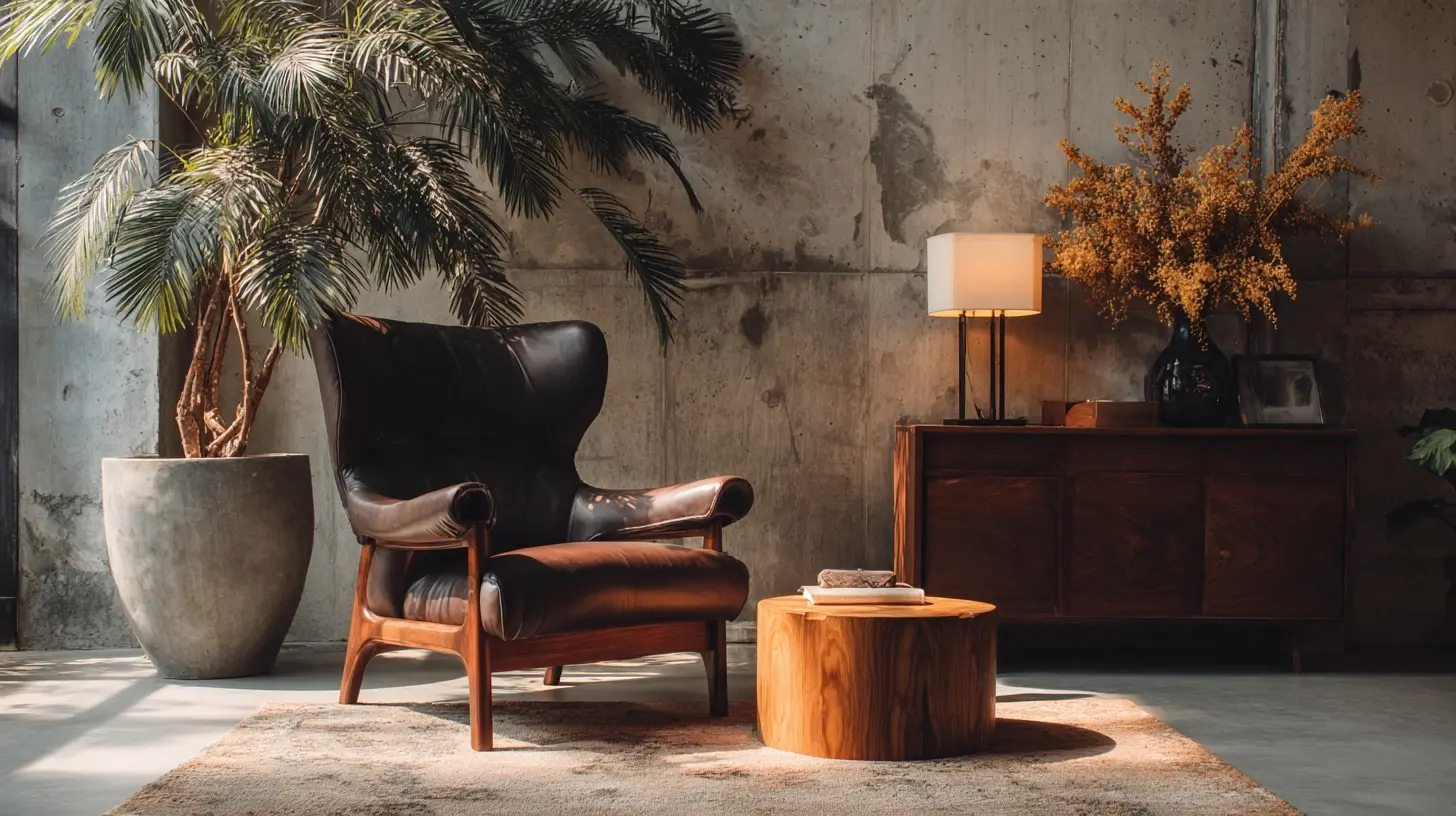
Japandi design is essentially an aesthetic fusion that combines the best of two worlds: the simple elegance of Japanese design and the cozy, functional aspects of Scandinavian design. It emphasizes clean lines, natural materials, and a muted color palette. The result is a serene and harmonious space that feels both inviting and uncluttered.Key Characteristics of Japandi Design
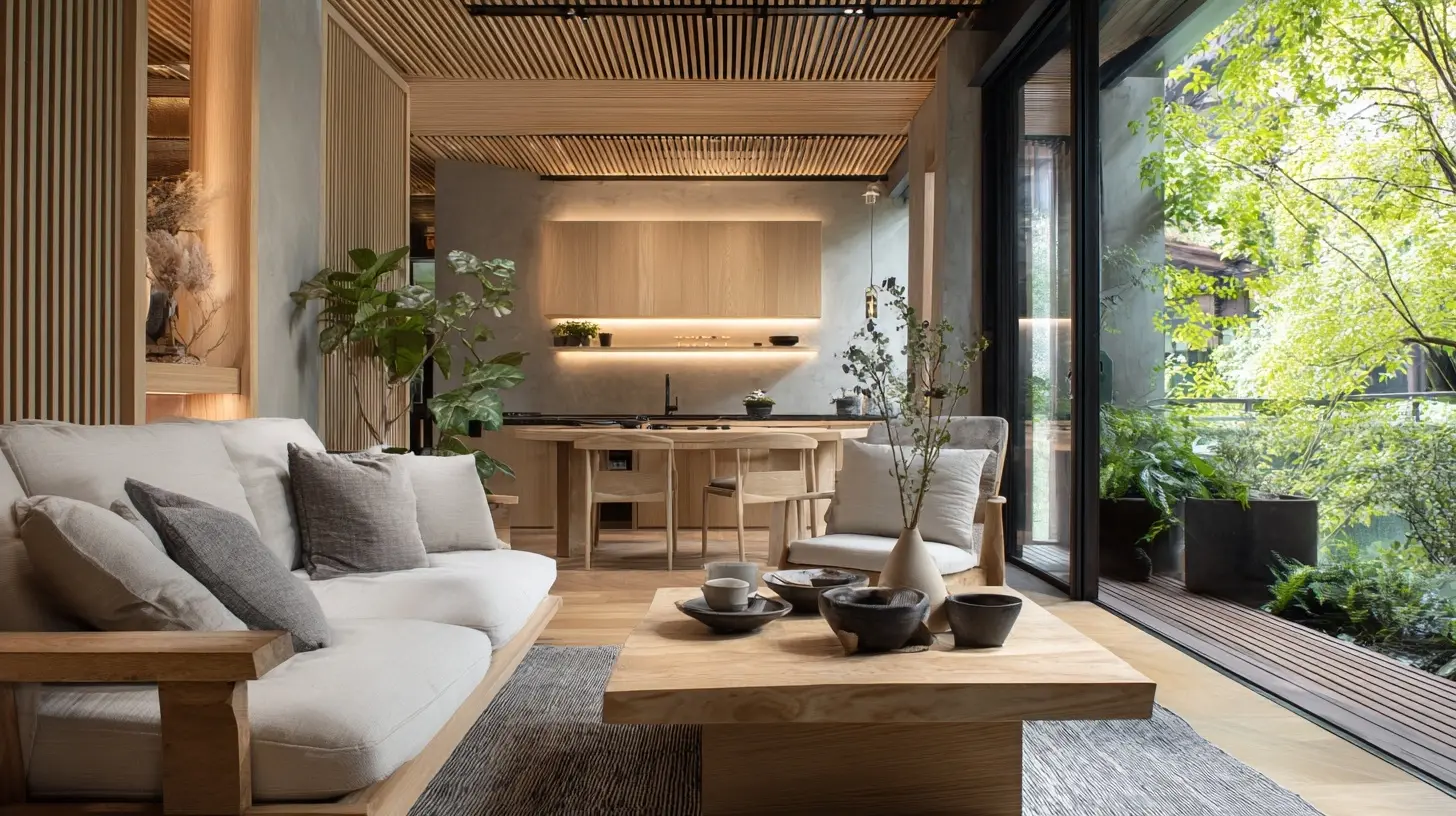
1. Minimalism: One of the core tenets of both Japanese and Scandinavian design is minimalism. This means fewer items, but each piece is chosen carefully for its functionality and beauty. The focus is on quality over quantity.2. Natural Materials: Japandi design heavily features natural materials such as wood, bamboo, linen, and stone. These materials not only enhance aesthetics but also bring a sense of nature inside, which is particularly important in urban settings where greenery might be limited.
3. Neutral Color Palette: Earthy tones dominate the color schemes in Japandi design. Think soft beiges, muted greens, and cool grays. These colors promote a calm atmosphere, making them ideal for urban homes that often experience the hustle and bustle of city life.
4. Functional Furniture: In Japandi design, furniture is not just for aesthetics; it must also serve a purpose. Multi-functional pieces are popular, as they maximize space efficiency-an essential consideration in urban living.
5. Warmth and Comfort: While minimalism can sometimes feel stark, Japandi design incorporates warmth through textures and soft furnishings. Layering textiles like cushions, throws, and rugs adds comfort without compromising the clean lines that define this style.
Why is Japandi Design Gaining Popularity in Urban Homes?
The appeal of Japandi design in urban homes is multifaceted. Here are some reasons why this aesthetic resonates particularly well with city dwellers:1. Space Efficiency
Urban living often comes with space constraints. Japandi design's emphasis on functional furniture and minimalism allows residents to make the most of their limited square footage. For instance, a foldable dining table can transform a small kitchen area and serve multiple purposes, from dining to working from home.2. Stress Relief
City life can be hectic, and the serene nature of Japandi design provides a much-needed refuge. The calming colors and uncluttered spaces can significantly reduce stress, creating an oasis amid the chaos of urban living.3. Sustainability
As more urban dwellers become environmentally conscious, the emphasis on natural materials and durability in Japandi design aligns with sustainable living practices. Choosing timeless pieces made from sustainable resources not only benefits the environment but also contributes to a healthier living space.4. Cultural Fusion
In an increasingly globalized world, the fusion of Japanese and Scandinavian aesthetics represents a blending of cultures that many find appealing. This design style allows individuals to express their personal tastes while also embracing a broader cultural narrative.5. Timelessness
Unlike many fleeting design trends, Japandi offers a timeless quality. Its focus on simplicity and functionality means that these elements will not easily go out of style, making it a wise investment for urban homeowners.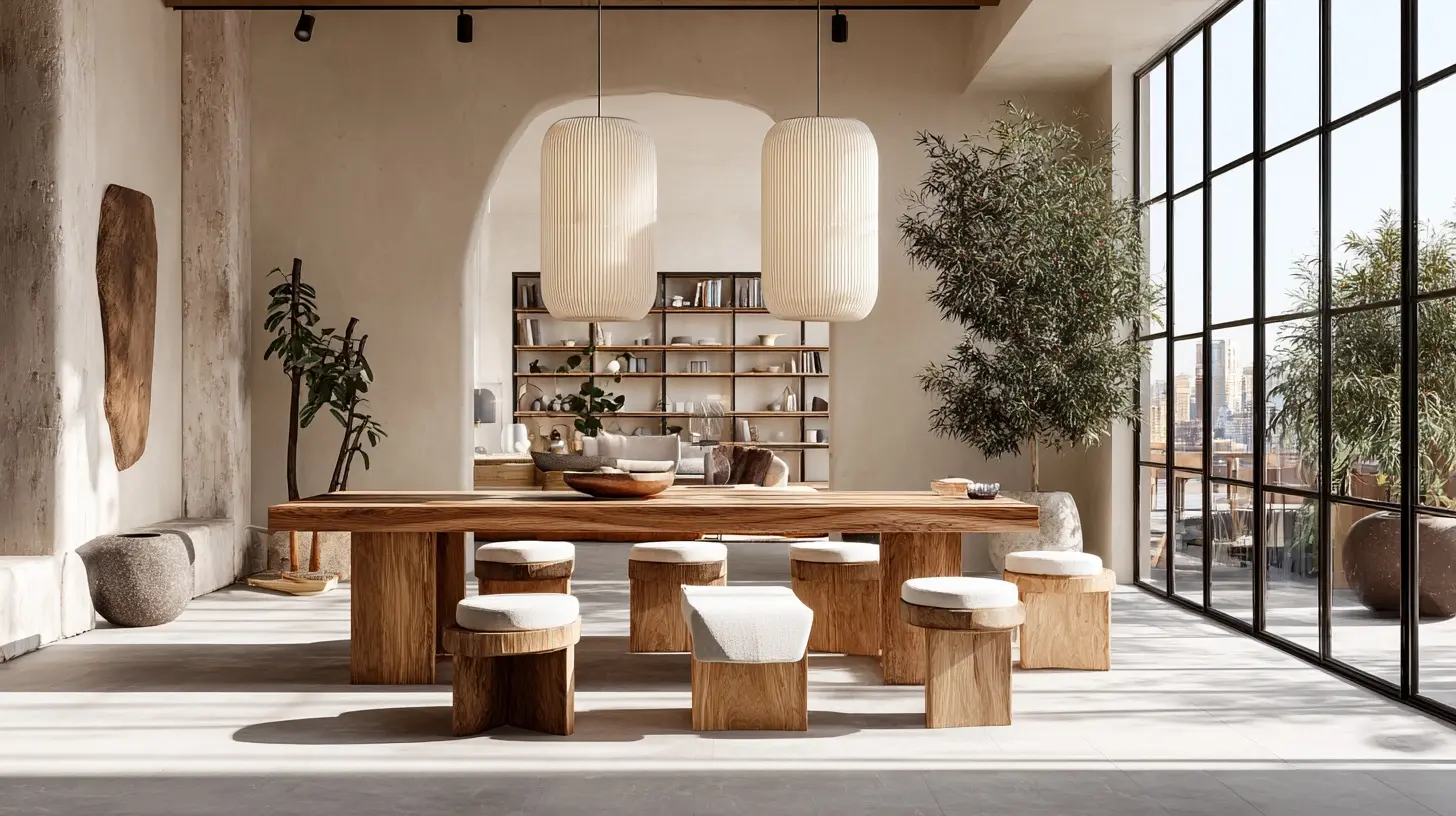
How to Incorporate Japandi Design into Your Urban Home
Transitioning your space into a Japandi-inspired haven doesn't have to be overwhelming. Here are some practical tips to help you begin the transformation.1. Declutter
Before you can embrace the beauty of Japandi design, you need to declutter your space. Start by assessing what you truly need and what items bring you joy. Remove anything that feels unnecessary. This process helps create a clean slate, allowing the remaining items to shine.2. Choose the Right Color Palette
Select a neutral color palette that aligns with Japandi principles. Soft earth tones work well in urban homes, creating a calming backdrop. You might consider painting your walls in muted shades of gray or beige, complemented by deeper colors in your furnishings or decor.3. Invest in Quality Furniture
When it comes to furniture, focus on pieces that are both functional and aesthetically pleasing. Look for designs that feature clean lines and natural materials. A solid wood table with a simple design can serve as a focal point in your dining area while also being practical.4. Incorporate Natural Elements
Bring in nature wherever possible. This could mean adding houseplants, using wooden accents, or incorporating stone through tabletops or decor. Even a small indoor garden can enhance the organic feel of your space and improve air quality.5. Utilize Textiles Wisely
Textiles are essential for adding warmth and comfort. Choose natural fabrics such as cotton or linen for curtains, cushions, and throws. Layering different textures can create a cozy atmosphere while maintaining the clean lines characteristic of Japandi design.6. Focus on Lighting
Lighting plays a crucial role in any design scheme. Opt for simple, elegant fixtures that provide soft, warm light. Floor lamps and pendant lights made from natural materials like wood or paper align well with the Japandi aesthetic.7. Create Zones
In open-plan urban homes, it's important to define different areas for various activities. Use rugs or furniture placement to create zones for relaxation, dining, and working. This not only adds functionality but also enhances the visual appeal of your space.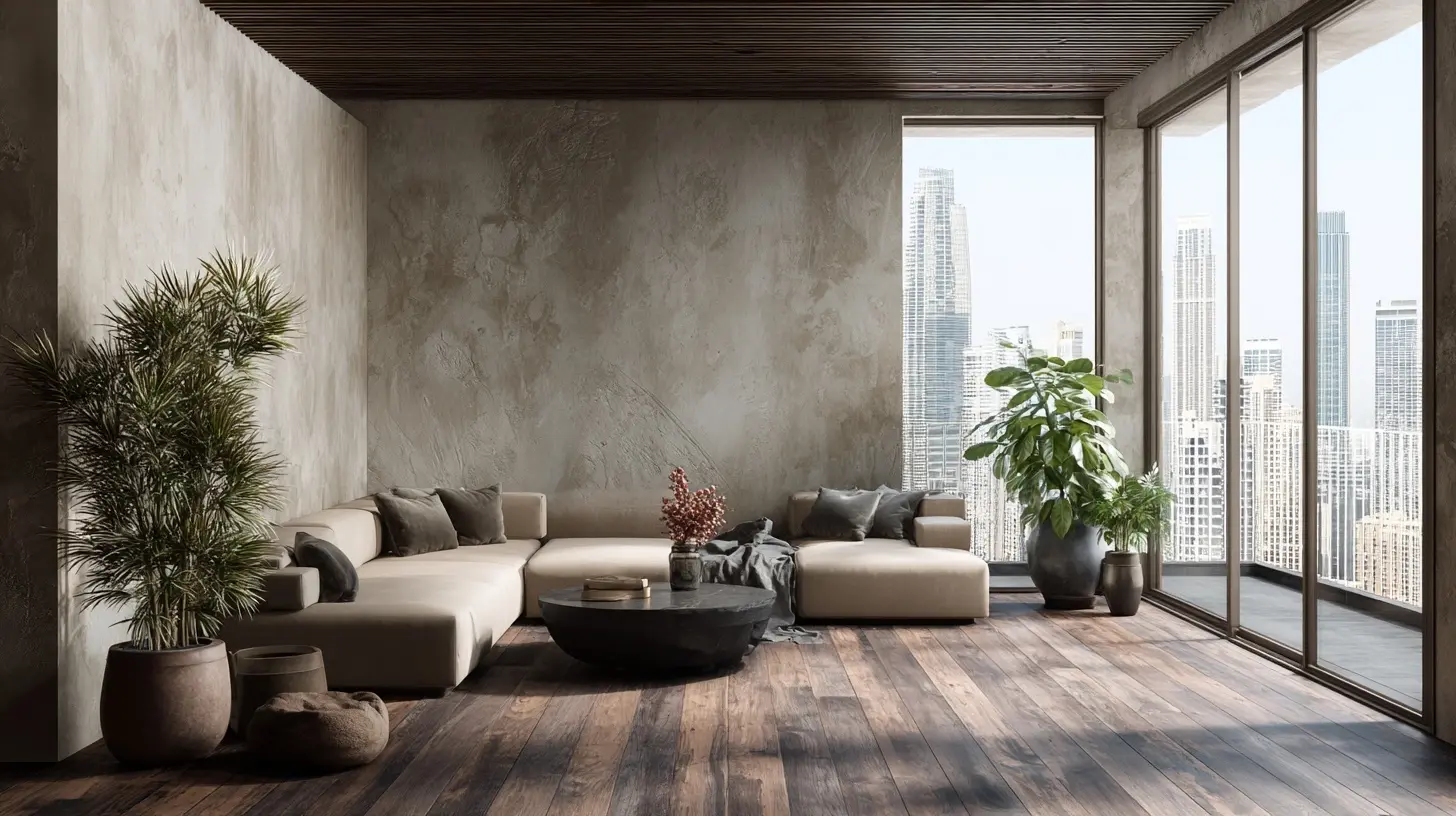
Common Mistakes to Avoid
While Japandi design is accessible, there are some pitfalls to be aware of to ensure you achieve the desired look.1. Over-Cluttering
A common mistake is trying to pack too many items into your space. Remember, the essence of Japandi design is minimalism. Each piece should serve a purpose, whether functional or decorative.2. Ignoring Functionality
Aesthetic appeal should not overshadow functionality. Always consider how you will use each space. For example, if you have a home office, ensure your desk and chair are not only stylish but ergonomic and conducive to productivity.3. Overlooking Scale
When selecting furniture and decor, pay attention to scale. Oversized furniture can overpower a small space, while tiny items can get lost in larger rooms. Aim for balance to create a harmonious environment.4. Neglecting Personal Touches
While Japandi design emphasizes simplicity, it's important to add personal touches that reflect your style. Incorporate art, photographs, or unique finds that resonate with you, ensuring your space feels personal.Comparing Japandi with Other Design Aesthetics
Understanding how Japandi compares to other popular design styles can provide deeper insights into its appeal. Here's a look at how it stacks up against a few similar aesthetics.Japandi vs. Minimalism
While both styles prioritize simplicity, traditional minimalism can sometimes feel stark and cold. Japandi introduces warmth through natural materials and textiles, making it more inviting without sacrificing the minimalist ethos.Japandi vs. Mid-Century Modern
Mid-century modern design is known for its vibrant colors and bold patterns, which contrasts sharply with Japandi's muted tones. Although both styles embrace clean lines and functional design, Japandi offers a quieter, more serene atmosphere suited for urban environments.Japandi vs. Bohemian
Bohemian design celebrates eclecticism and vibrant colors, which can clash with the calmness of Japandi. While Bohemian interiors often feel carefree and vibrant, Japandi's structured approach brings a sense of order and tranquility.
Real-World Examples of Japandi Design in Urban Homes
Seeing Japandi design in action can provide inspiration for your space. Here are a few examples of urban homes that beautifully embody this aesthetic.Example 1: A Small Apartment in Tokyo
In a compact Tokyo apartment, the use of sliding doors made of natural wood allows for efficient space management. The interior features a neutral color scheme and multifunctional furniture, such as a pull-out sofa bed that also serves as a stylish couch during the day. The overall ambiance is calm and inviting, perfect for unwinding after a busy day.Example 2: A Loft in Copenhagen
This urban loft showcases a blend of Scandinavian and Japanese influences. Large windows allow natural light to flood in, enhancing the warm wood tones of the furniture. A low-profile dining table serves as a gathering spot, while the use of greenery-like bonsai trees-connects the indoor space to nature.Example 3: A Studio in New York City
In a New York studio, the owner embraced Japandi design by choosing a simple color palette of whites and earthy tones. Minimalist shelving holds only a few selected books and decorative objects, while a large area rug adds warmth. The result is a chic, functional living space that feels much larger than its square footage suggests.Conclusion
The growing appeal of Japandi design in urban homes is a testament to the desire for tranquility, functionality, and aesthetic pleasure in our living spaces. By incorporating its principles, urban dwellers can create serene environments that not only reflect their personal style but also serve as retreats from the demands of city life. Whether through decluttering, selecting the right materials, or investing in thoughtfully designed furniture, embracing Japandi design can transform your urban home into a harmonious sanctuary.
all images in this post were generated using AI tools
Category:
Home DesignAuthor:

Basil Horne