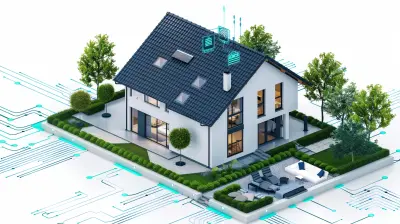
The Future of Industrial Real Estate in the Age of Automation
2 February 2026
Industrial real estate is undergoing a transformation unlike anything we've seen before. With automation on the rise, warehouses, factories, and distribution centers are evolving at breakneck speed. Robots, AI, and high-tech logistics are reshaping the way businesses operate—and that means big changes for industrial properties.
So, what does the future of industrial real estate look like in this tech-driven era? Let’s dive in!
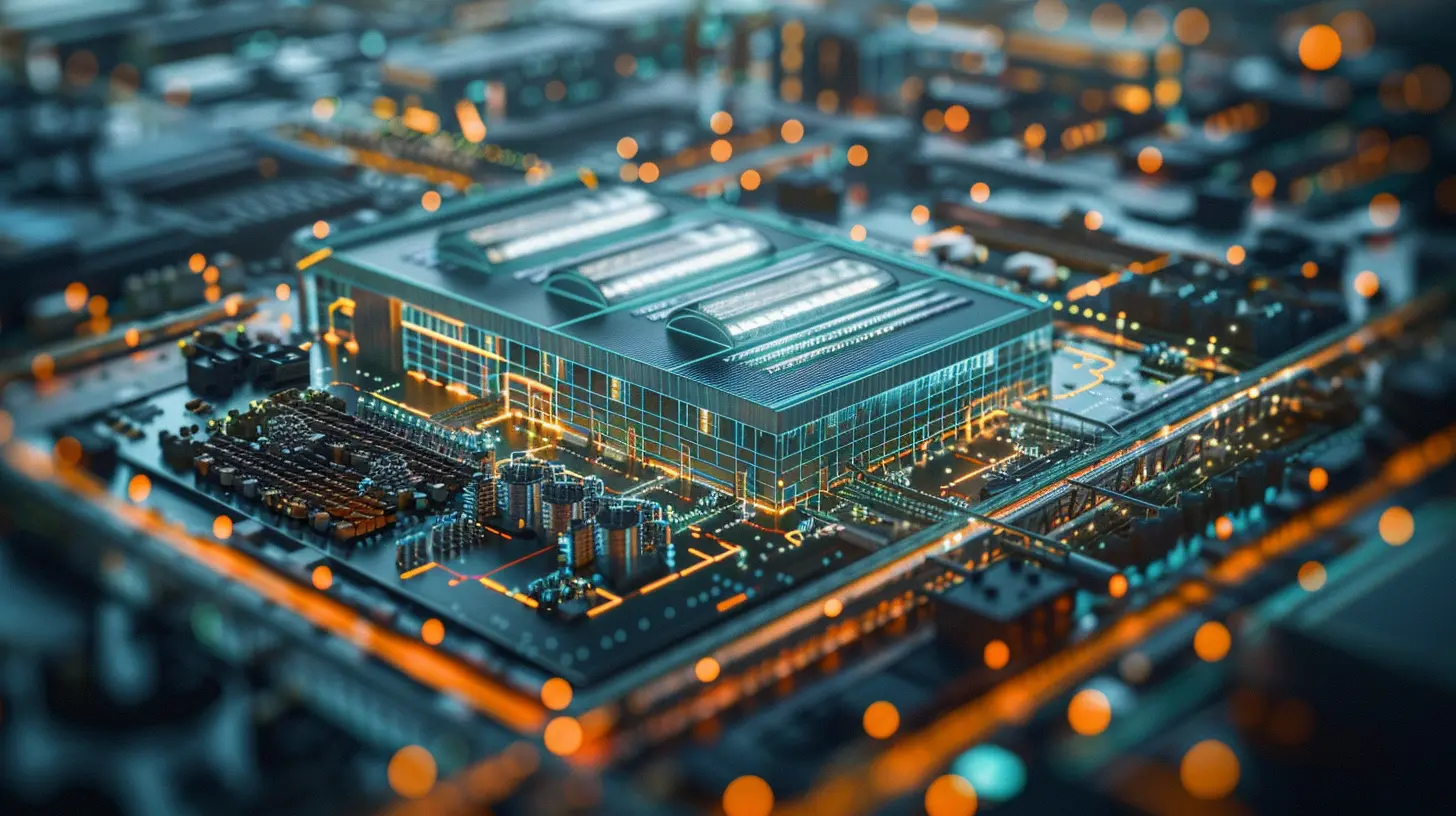
Automation: Changing the Game for Industrial Spaces
Picture this: factories run with minimal human intervention, warehouses packed with robots zipping around, and delivery drones picking up packages without human hands ever getting involved. It sounds like something out of a sci-fi movie, doesn’t it? Well, it's happening right now.Advancements in AI, robotics, and machine learning are driving this revolution. Businesses are investing heavily in automated solutions to cut costs, increase efficiency, and keep up with soaring demand. But what does this mean for industrial real estate?
1. More Smart Warehouses & Distribution Centers
Goodbye, old-school warehouses. Hello, high-tech fulfillment centers! Automation is pushing industrial facilities toward smart technology. Think IoT-connected warehouses tracking every product in real time, robotic systems picking and packing orders, and AI-driven logistics ensuring everything runs smoothly.This means:
- More demand for high-tech industrial spaces.
- Larger, more efficient warehouses with cutting-edge logistics.
- Facilities designed with automation in mind—wide aisles for robots, better layouts for efficiency, and super-speedy operations.
2. The Rise of Multi-Level Warehouses
As urban real estate gets pricier and space becomes premium, industrial developers are thinking vertically. Traditional warehouses were sprawling, single-level structures, but that’s changing fast. Cities with limited space—like New York, Los Angeles, and San Francisco—are seeing an increase in multi-level warehouses.These futuristic warehouses optimize space with stacked layers, conveyor belts, and automation systems that allow for more storage and faster movement.
3. Smaller Footprints, Bigger Outputs
Automation allows businesses to do more with less. Advanced robotic systems and AI-powered logistics mean companies don’t need massive spaces to stay productive. They're optimizing every square foot with automation, reducing waste, and boosting efficiency.This shift means that:
- Industrial real estate might become more compact in some areas.
- Developers will focus on maximizing efficiency rather than just expanding size.

Impact of Automation on Industrial Real Estate Investment
Now, if you're into real estate investing, you're probably wondering: "What does all this mean for me?" Well, let’s break it down.1. Increased Demand for High-Tech Facilities
Investors, take note—traditional warehouses are no longer cutting it. Businesses want industrial spaces equipped with smart technology, automation-friendly layouts, and top-tier logistics. The demand for these tech-forward properties is skyrocketing, making them prime real estate investments.2. Location Matters More Than Ever
Automation may reduce the need for human labor, but location still plays a massive role. Companies are prioritizing warehouses closer to major cities and transportation hubs to speed up product delivery.Investing in industrial real estate near trucking routes, rail lines, and airports will likely yield solid returns. The rise of e-commerce means last-mile delivery is a huge focus for companies like Amazon and Walmart. If your property is in the right location, you're sitting on a gold mine!
3. Shifts in Property Valuation & Leasing Trends
Industrial real estate assets with built-in automation capabilities are commanding higher prices. Businesses are looking for lease agreements that include technology integration and customization options. As a result, long-term leases with automation-friendly upgrades are becoming the norm.For investors, this means:
- Higher demand for premium industrial spaces.
- Longer, more lucrative lease agreements.
- Increased property value for tech-driven facilities.

Challenges & Adaptations in the Industrial Real Estate Market
Not everything about automation is sunshine and rainbows. With these advancements come some challenges, too.1. High Initial Costs for Developers
Building an automation-ready warehouse isn’t cheap. Developers are facing higher upfront costs to equip spaces with robotics, AI-driven logistics, and smart infrastructure. However, the long-term benefits often outweigh the initial investment.2. Workforce Disruptions
With machines taking over repetitive tasks, the job market within industrial spaces is shifting. While automation eliminates some jobs, it also creates new opportunities—especially in tech, engineering, and system management roles.3. Rapid Technological Advancements
Industrial real estate owners must stay ahead of the curve. What’s cutting-edge today could be outdated tomorrow. To avoid obsolescence, properties must be adaptive, with infrastructure that allows for tech upgrades and flexibility.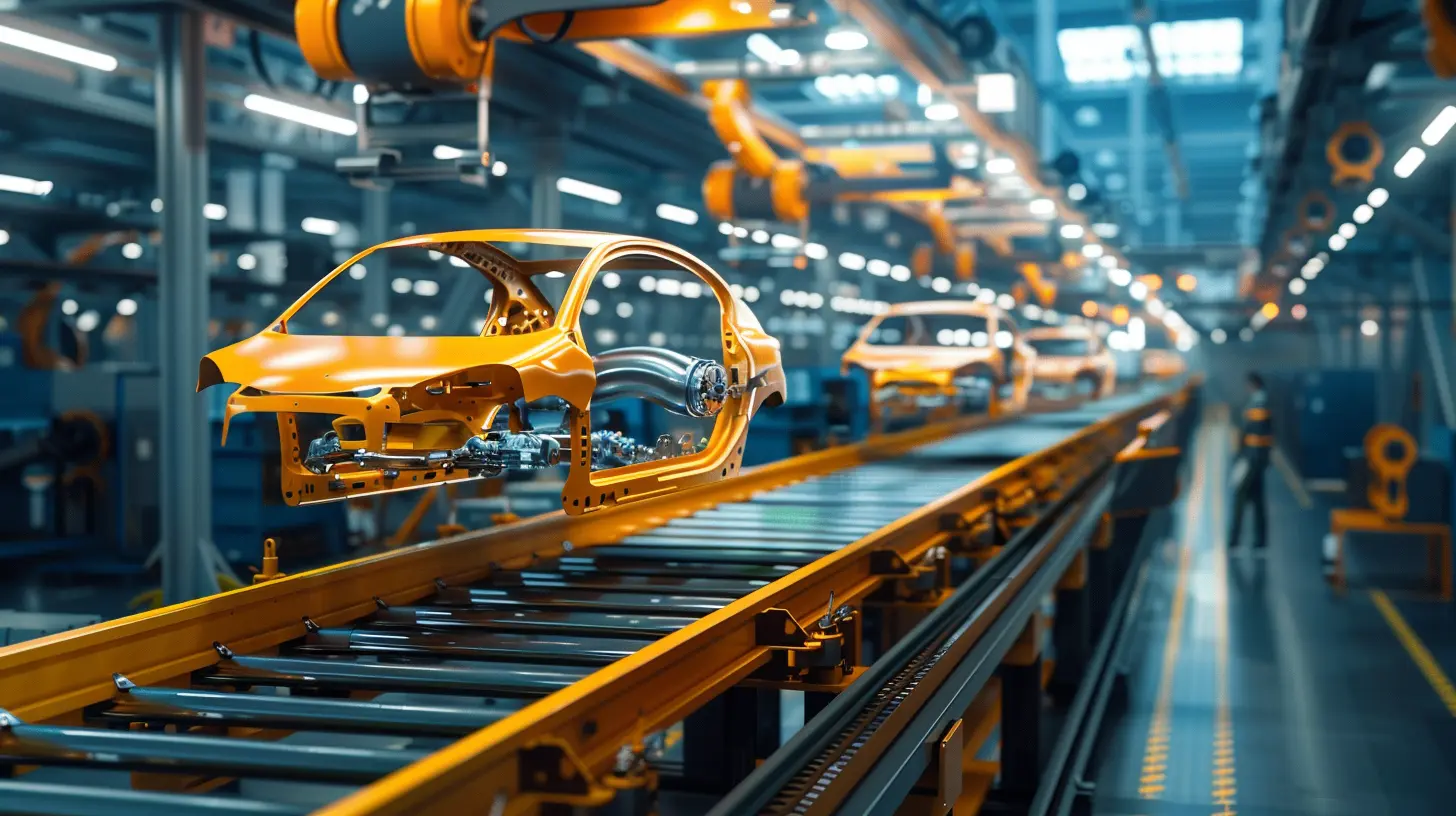
What the Future Holds
Looking ahead, the industrial real estate sector will continue to evolve alongside automation. Here’s what we can expect:- Hyper-efficient industrial spaces with AI-driven logistics to maximize productivity.
- A surge in demand for sustainable, energy-efficient warehouses due to rising environmental concerns.
- More automation-friendly property designs to accommodate the latest tech.
- Strategic investments in urban industrial centers to support last-mile delivery services.
Final Thoughts
The marriage between automation and industrial real estate is here to stay, and it's only going to get more sophisticated. Whether you're a property investor, a developer, or just someone fascinated by the future of real estate, one thing is clear—automation is revolutionizing the industry.So, is it time to rethink industrial real estate as we know it? Absolutely! One thing's for sure: the future is automated, and industrial real estate is riding the wave of change.
all images in this post were generated using AI tools
Category:
Real Estate TrendsAuthor:

Basil Horne
Discussion
rate this article
2 comments
Gabriel McVaney
This article provides valuable insights into the evolving landscape of industrial real estate amid automation. It’s crucial for investors and industry professionals to adapt to these changes, embracing innovation while understanding the challenges. Exciting opportunities lie ahead as we navigate this transformative era together. Great read!
February 21, 2026 at 12:44 PM
Basil Horne
Thank you for your thoughtful feedback! I'm glad you found the insights valuable and agree on the importance of embracing innovation in our evolving industry.
Penelope Weber
Embrace the future of industrial real estate! Automation is not just a challenge; it’s an opportunity for innovation, efficiency, and unstoppable growth. Let’s lead the way!
February 3, 2026 at 4:03 AM
Basil Horne
Thank you for your insight! Embracing automation indeed opens doors to innovation and growth in industrial real estate. Let's continue to explore these exciting opportunities together!