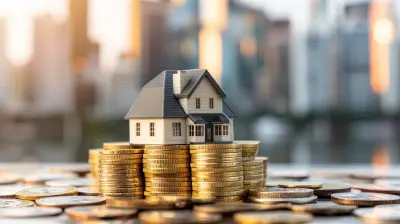
The Evolution of Data Centers and Their Impact on Commercial Real Estate
18 February 2026
Introduction
Imagine a world without the internet—no video calls, no online shopping, and certainly no endless scrolling on social media. Wild, right? Well, behind all that digital magic are data centers, the unsung heroes of our modern world. These massive facilities store, manage, and process data, making sure your favorite apps and websites run smoothly.
But here’s the kicker: data centers aren't just technological powerhouses; they’re also shaking up the commercial real estate landscape in ways we never imagined. From abandoned warehouses reborn as data hubs to entire cities transforming into digital powerhouses, the evolution of data centers is rewriting the real estate rulebook.
So, grab a cup of coffee (or your drink of choice), and let’s dive into how these tech titans are reshaping the commercial property market. 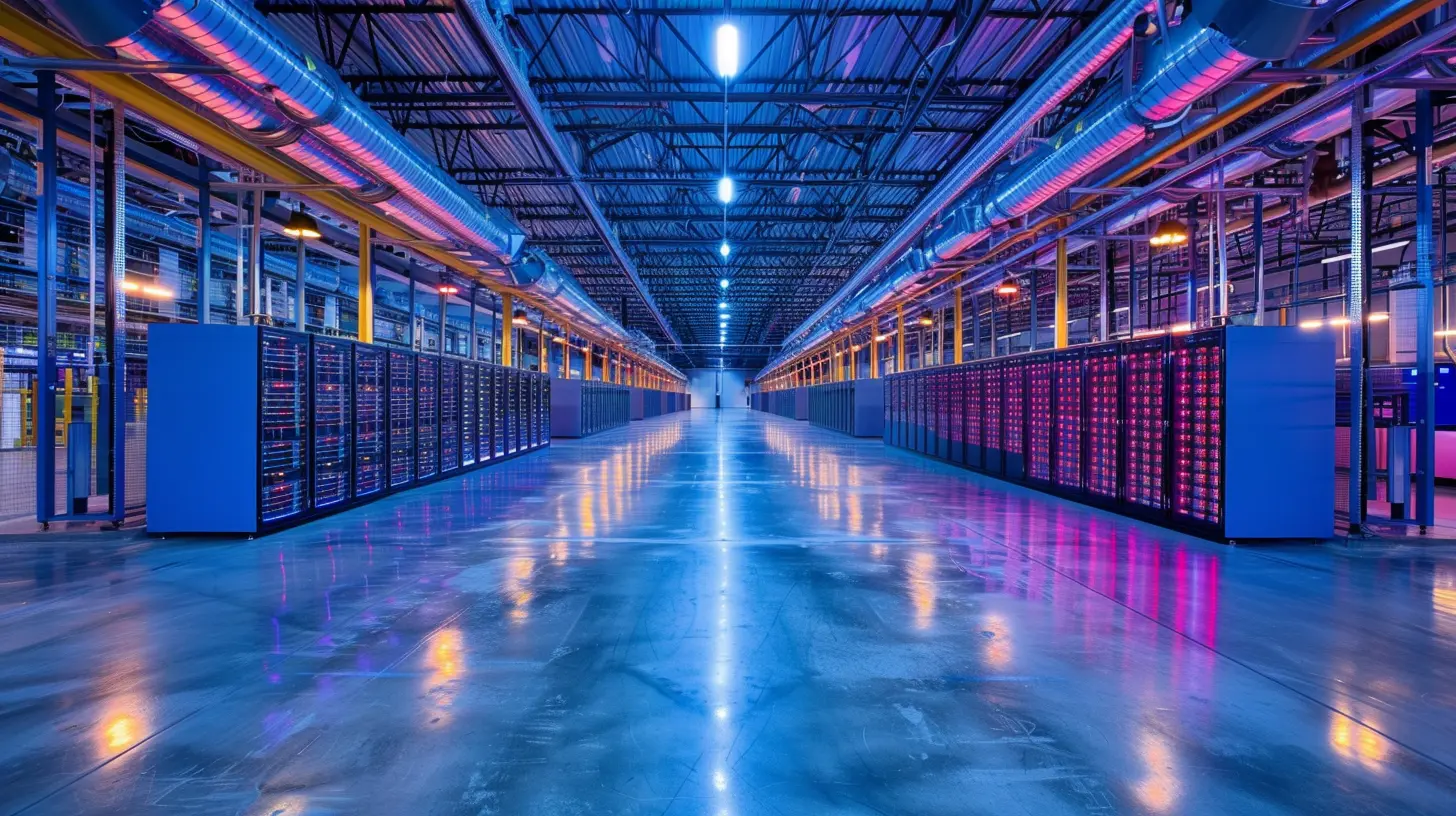
The Humble Beginnings of Data Centers
Back in the day, computers were the size of a small house (no kidding). Storing and managing data required entire rooms filled with towering machines that hummed and whirred like an overworked air conditioner.During the 1960s and 70s, businesses relied on in-house data centers tucked away in office basements. These spaces were nothing fancy—just temperature-controlled rooms with stacks of hardware. But as technology advanced and the internet became a thing, companies quickly realized they needed better, more secure places to store massive amounts of digital information.
Cue the birth of dedicated data centers!
The Rise of the Internet and the Boom of Data Centers
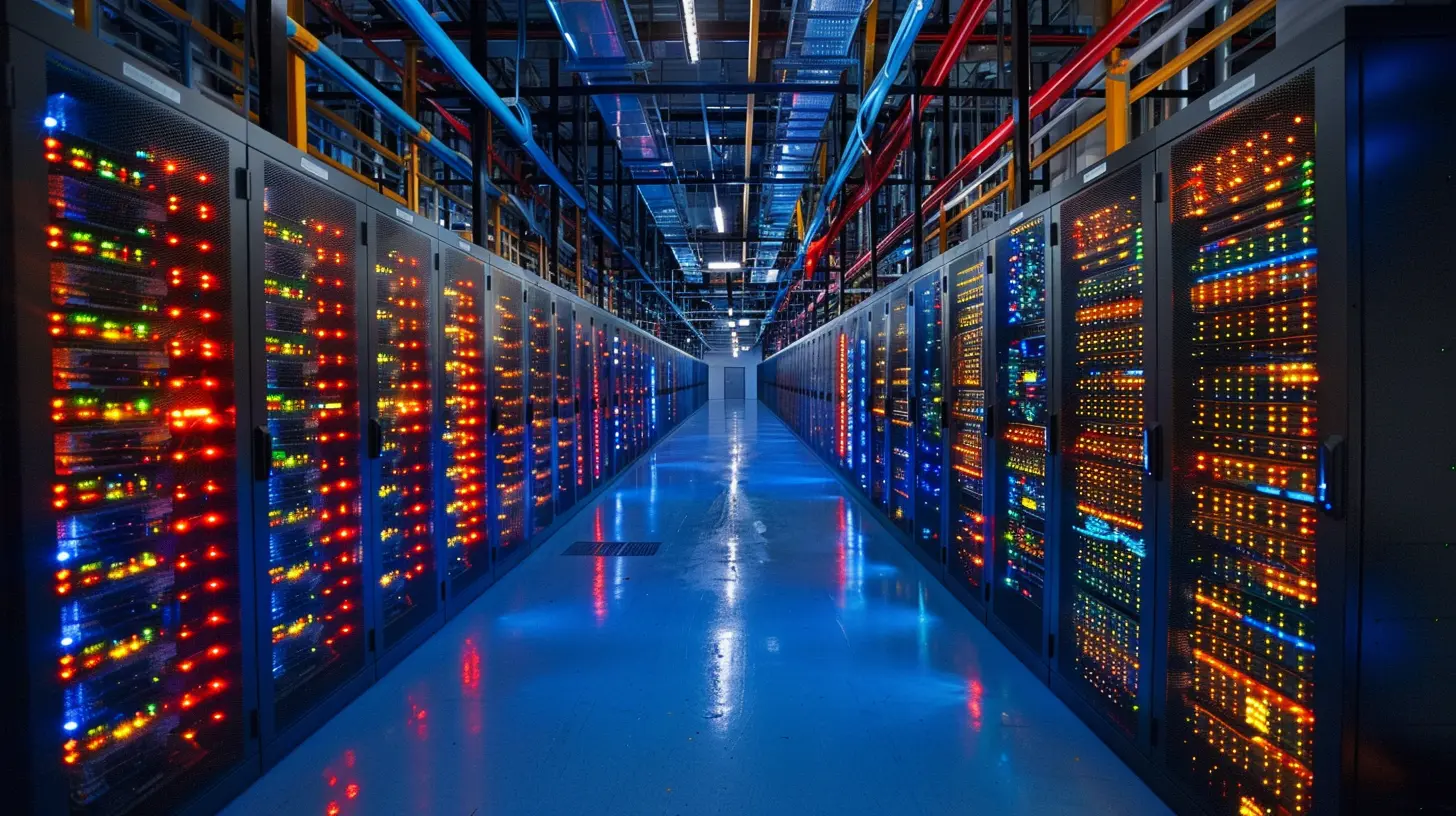
Fast forward to the 90s—the golden era of dot-com startups and dial-up connections. As businesses moved online, so did their need for reliable data storage and security. Large corporations began investing in specialized data centers, and before we knew it, entire buildings were dedicated to keeping the internet running 24/7.Then came cloud computing. Companies like Amazon, Google, and Microsoft started offering cloud services, reducing the need for bulky on-site servers. Suddenly, businesses didn’t need to maintain their own data centers; they could rent space in mega-facilities instead.
This shift not only increased demand for data center real estate but also changed the way developers approached commercial properties.
How Data Centers Are Reshaping Commercial Real Estate
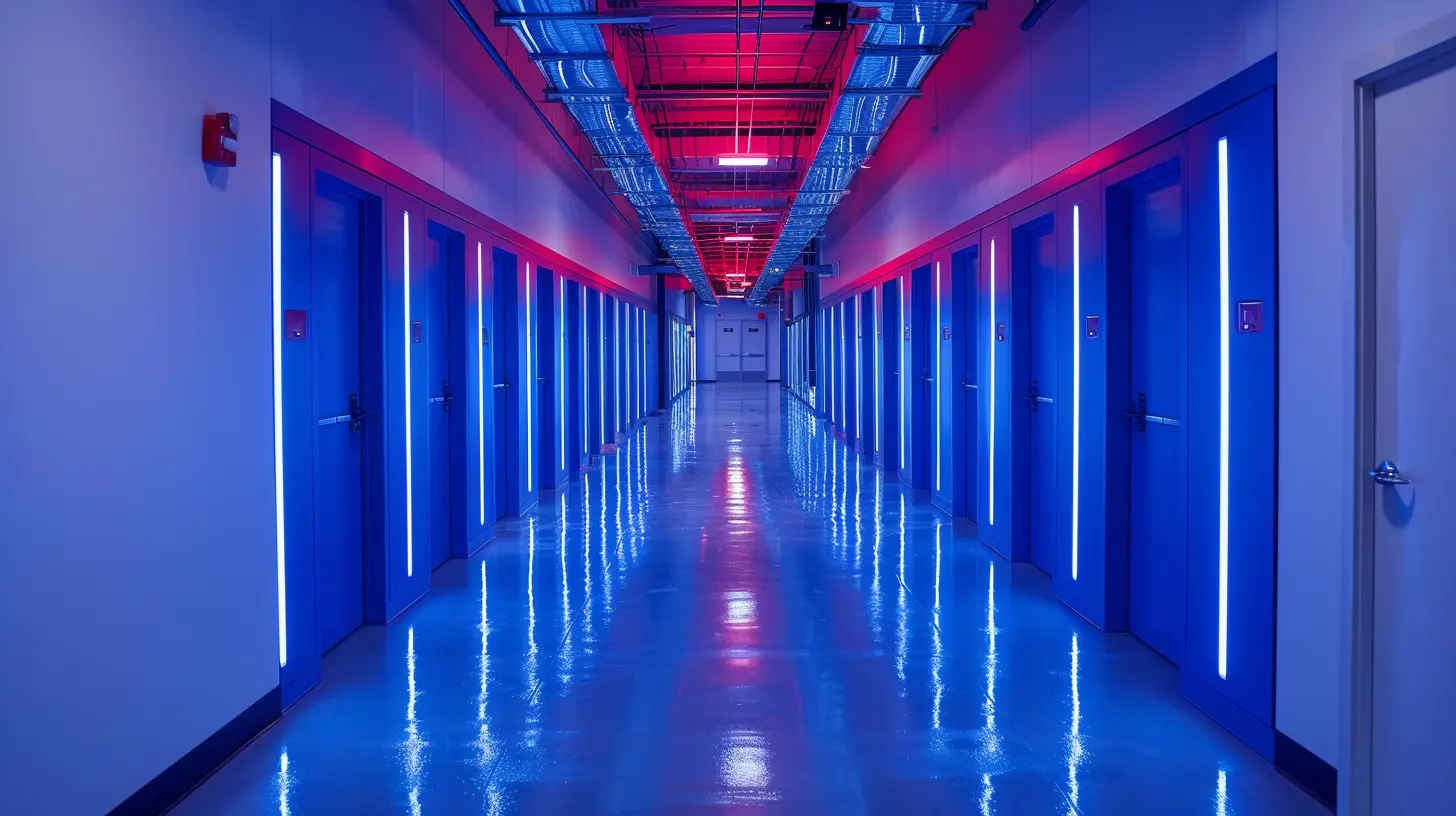
Alright, here’s where things start getting really interesting. Data centers aren’t just influencing technology—they’re completely transforming commercial real estate. Here’s how:1. Repurposing Existing Buildings
Remember that old shopping mall in your city that’s been sitting empty for years? Don’t be surprised if it turns into a state-of-the-art data center.With e-commerce taking over, many retail spaces are struggling to stay relevant. Instead of letting these buildings collect dust, developers are converting them into high-tech data hubs. Warehouses, office buildings, and even abandoned factories are also getting a second life as data centers.
Why? Because these buildings already have the space, power infrastructure, and connectivity that data centers need. It’s a win-win situation for both real estate investors and tech giants.
2. Driving Demand for Industrial and Commercial Spaces
The commercial real estate game is changing. Traditional office spaces and retail properties are facing challenges, but data centers are creating new opportunities.Industrial areas with strong power grids and fiber optic networks are now prime real estate hotspots. Investors are snapping up land in areas where data centers can thrive, leading to higher property values and increased development.
3. Boosting Property Values in Unexpected Cities
When you think of tech hubs, cities like Silicon Valley and New York probably come to mind. But data centers are rewriting the map of commercial real estate growth.Places like Northern Virginia, Phoenix, and Dallas have exploded as data center capitals. Why? Because they offer key factors like affordable land, reliable energy, and lower natural disaster risks—things data centers love.
For real estate investors, this means looking beyond traditional hotspots and exploring emerging markets where data centers are driving demand.
4. Changing Building Requirements
Let’s be real—most office buildings weren’t designed with data centers in mind. But as the demand for these facilities grows, developers are rethinking how they build commercial properties.Modern data centers require:
- Massive power capacity – These buildings use a LOT of electricity.
- Advanced cooling systems – All that tech generates insane heat, and without proper cooling, things could go south fast.
- Sturdy infrastructure – These centers need to withstand everything from cyber threats to natural disasters.
Because of these requirements, commercial real estate developers are now creating properties with stronger power grids, better cooling mechanisms, and rock-solid structural integrity. 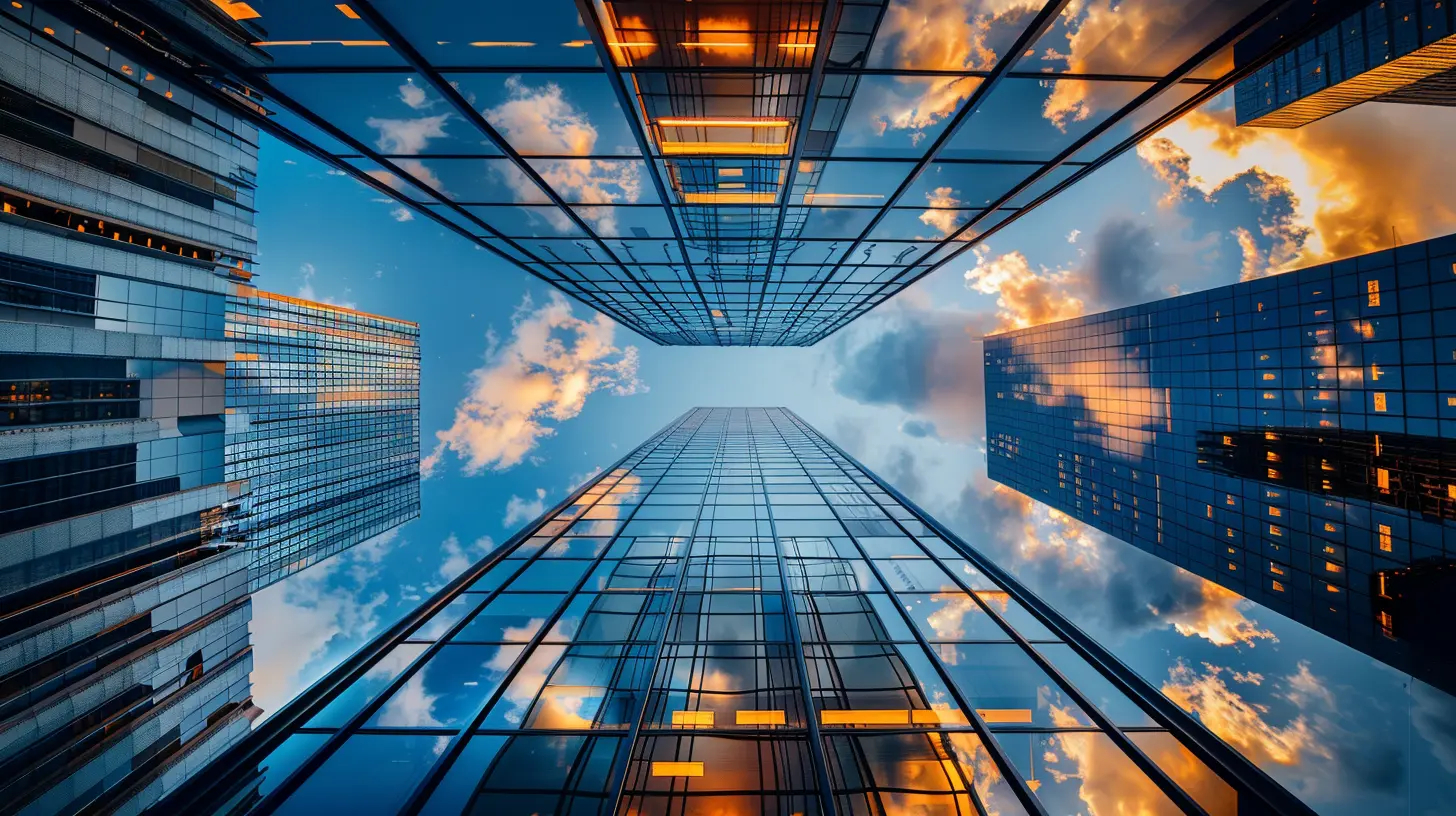
Sustainability and the Future of Data Centers in Real Estate
Now, let’s talk about the elephant in the room—energy consumption.Data centers are notorious for using an absurd amount of electricity. Some of the biggest facilities use more power than entire cities. So, what’s the real estate industry doing about it?
The Shift to Green Data Centers
With sustainability becoming a huge focus, developers are finding ways to make data centers more eco-friendly. That includes:- Renewable energy sources – Think solar panels, wind power, and even hydroelectric energy.
- Energy-efficient cooling solutions – Some data centers are now using liquid cooling and AI-driven temperature control to minimize waste.
- Eco-friendly building materials – Developers are prioritizing sustainable materials to reduce environmental impact.
This shift towards green data centers isn’t just good for the planet—it’s also a game-changer for commercial real estate investments. Properties that prioritize sustainability tend to have higher long-term value and attract big-name tenants looking for eco-conscious solutions.
What’s Next? The Future of Data Centers and Real Estate
With AI, 5G, and IoT booming, the demand for data centers is only going to increase. That means commercial real estate is in for even more transformation.Some trends to watch:
- Edge computing data centers – Smaller, localized data centers that bring processing power closer to users.
- Underground and underwater data centers – Microsoft has already tested an underwater data center. Sounds crazy, but it could be the future!
- More mixed-use developments – Picture a downtown skyscraper with offices, retail shops, and a mini data center all in one.
Technology is evolving at lightning speed, and commercial real estate is doing its best to keep up. One thing’s for sure—data centers are here to stay, and they’ll continue to shape the cities we live and work in.
Conclusion
Who would’ve thought that giant rooms filled with blinking lights and humming servers would have such a massive impact on commercial real estate? From reviving abandoned buildings to shaping new development trends, data centers are leaving their mark in ways we never expected.For real estate investors, this evolution presents a golden opportunity. Whether it’s repurposing old properties, investing in emerging tech hubs, or building the next generation of sustainable data centers, the possibilities are endless.
So, the next time you stream your favorite show or send an email, remember—there’s a data center (and a whole lot of real estate) working behind the scenes to make it happen!
all images in this post were generated using AI tools
Category:
Commercial Real EstateAuthor:

Basil Horne
Discussion
rate this article
2 comments
Kira Jimenez
This article effectively highlights the transformative role data centers play in commercial real estate. As technology evolves, their integration into urban landscapes not only influences property values but also reshapes investment strategies. A must-read for anyone navigating the changing real estate market. Great insights!
February 28, 2026 at 12:46 PM
Basil Horne
Thank you for your thoughtful comment! I'm glad you found the article insightful and relevant to the evolving real estate landscape.
Claire Jimenez
The evolution of data centers significantly influences commercial real estate by driving demand for strategic locations and modern infrastructure. As businesses increasingly rely on cloud services, investors should consider integrating tech-friendly spaces into their portfolios to capitalize on this trend and meet the growing needs of data-driven enterprises.
February 20, 2026 at 4:00 AM
Basil Horne
Thank you for your insightful comment! You're absolutely right—data centers are reshaping commercial real estate, highlighting the need for strategic locations and modern infrastructure to support the growing demand for cloud services.