The Connection Between Reassessments and Property Values
10 May 2026
When it comes to real estate, one of the biggest concerns for homeowners and investors alike is property value. We all want to know if our home is appreciating or if we're about to be hit with a hefty tax bill. Property reassessments are a big part of that equation, but they’re often misunderstood.
If you've ever received a reassessment notice and wondered what it really means for your property’s value, you're not alone. Let’s dive deep into how reassessments work, their impact on home prices, and what you need to watch out for. 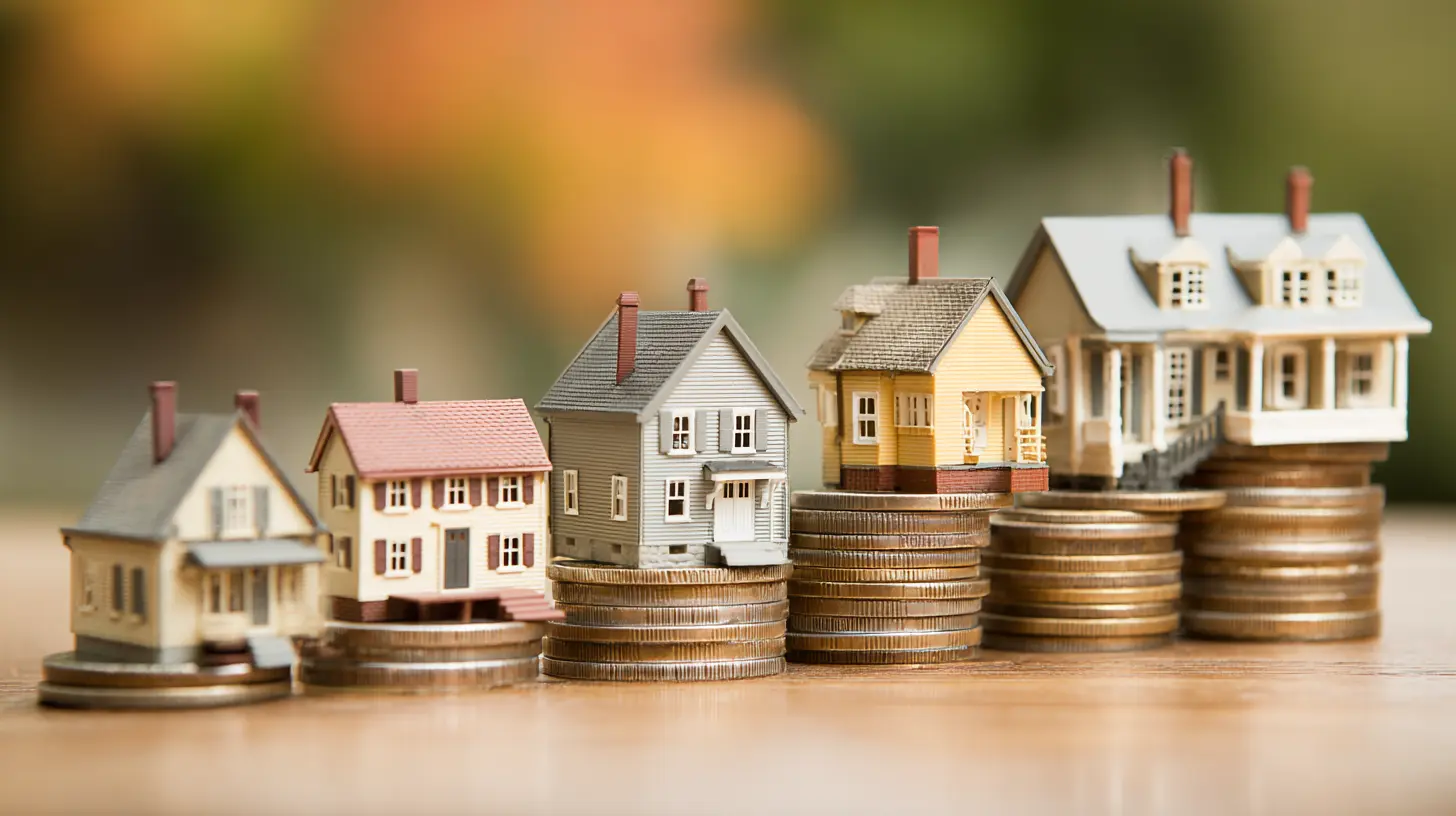
What Is a Property Reassessment?
Before we jump into the connection between reassessments and property values, let’s break down what a reassessment actually is.A property reassessment is when local government officials evaluate your home’s value for tax purposes. This helps determine how much you owe in property taxes. Local governments don’t randomly decide to reassess properties; these reassessments are typically scheduled every few years or triggered by certain events like renovations or changes in market conditions.
Why Do Governments Conduct Reassessments?
The primary reason for reassessments is simple: to ensure that taxes are fairly distributed based on property values. Without them, some homeowners could end up paying too much, while others pay too little.Governments also use reassessments to adjust for shifts in the real estate market. If home prices in a certain area have skyrocketed, officials want to ensure tax assessments reflect those changes accurately. 
How Do Reassessments Affect Property Values?
Now for the big question: does a reassessment change the actual value of your home?The short answer is no. A reassessment doesn’t directly increase or decrease what your home is worth. Your home’s value is determined by market factors—things like demand, location, upgrades, and neighborhood trends. However, reassessments can indirectly influence property values in a few key ways.
1. The Psychological Impact on Buyers and Sellers
While reassessments don’t dictate market value, they can certainly influence buyer perception. If a home is reassessed at a much higher value, potential buyers might assume that means the property itself is worth more. This could lead to sellers adjusting their asking price accordingly.On the flip side, if reassessments cause property taxes to rise significantly, some buyers might be turned off, seeing the home as more expensive to own in the long run. That shift in demand can have a real impact on home values.
2. Higher Assessments Can Lead to Higher Property Taxes
One of the most direct effects of a reassessment is a change in property taxes. If your reassessment results in a higher valuation, you’ll likely see your tax bill go up. Higher taxes can make a home less affordable, especially for buyers who are on a tight budget.Conversely, if a reassessment lowers your property’s valuation, your taxes might decrease, making the home more appealing to buyers who are shopping for affordability.
3. Market Trends and Reassessments Go Hand in Hand
Reassessments often reflect overall market conditions. If the real estate market is hot and values are rising, reassessments will follow suit. Local governments adjust valuations to ensure that taxes align with what properties are actually worth.But here’s the catch: a reassessment is based on past market data, not real-time fluctuations. That means during a market downturn, reassessed values might still be high for a while, leading to property tax bills that don’t immediately reflect the dip in home prices. 
Common Misconceptions About Reassessments and Property Values
1. "My Home's Reassessment Went Up, So My Property Value Must Have Increased"
Not necessarily. A reassessment is a government’s estimate for tax purposes—not a reflection of what buyers are actually willing to pay. Just because the county appraiser raised your assessed value doesn’t mean the market will follow.2. "A Reassessment Will Automatically Increase My Taxes"
It might, but not always. Property taxes are based on the tax rate set by local government in addition to your home's assessed value. Even if your property value goes up, tax rates could stay the same or even decrease to balance things out.3. "If My Assessment Goes Down, My Home Must Be Losing Value"
Not true! A lower assessment could simply mean the local government has adjusted its valuation methods or that market conditions have shifted. Your home’s true market value is determined by supply and demand, not just municipal numbers.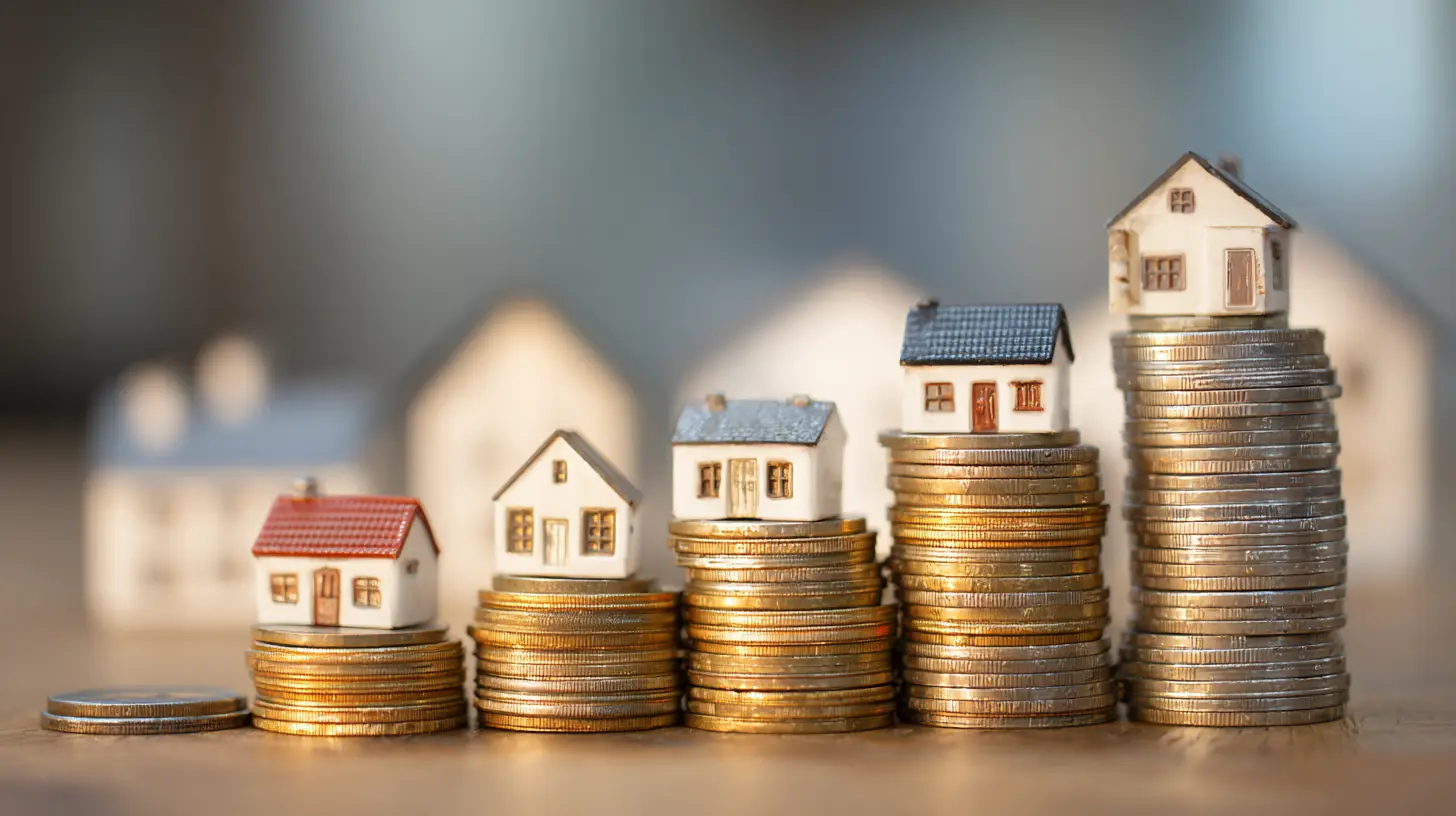
How to Handle a Property Reassessment
If you receive a reassessment notice and don’t agree with the new valuation, you’re not stuck with it. Here are some steps you can take:1. Review the Assessment Carefully
First things first, double-check the details. Is your home’s square footage accurate? Are the listed features correct? Mistakes happen, and even small errors could impact your assessment.2. Research Comparable Home Sales
Look at sales of similar properties in your neighborhood. If your reassessed value is significantly higher than similar homes, you might have grounds for an appeal.3. Appeal the Assessment if Necessary
Most local governments allow homeowners to appeal reassessments. If you believe your home’s valuation is too high, gather supporting evidence (recent sales data, appraisals, and comparable listings) and file an appeal with your local tax assessor’s office.4. Consider Hiring a Professional
If the reassessment could cause a major increase in property taxes, it might be worth hiring a real estate attorney or professional appraiser to help with the appeal process.Can Homeowners Influence Their Property Assessments?
In some cases, yes. While you can’t force the government to reassess your home at a lower value, there are things you can do to manage how your property is perceived.- Keep Renovations and Upgrades in Mind – If you make major improvements, they’ll likely lead to a reassessment. Think about how updates like finishing a basement or adding a second story could impact your valuation.
- File for Exemptions or Deductions – Some areas offer tax breaks for things like historic homes, green energy features, or senior homeowners. Check if you qualify for any reductions.
- Stay Informed About Local Tax Policies – Understanding how your local government calculates assessments can help you anticipate changes before they happen.
Final Thoughts
Property reassessments and home values are closely linked, but not in the way most people think. A reassessment doesn’t set market value—instead, it’s a tool used by local governments to ensure property taxes are distributed fairly. However, the results of a reassessment can influence everything from housing demand to affordability.If you’re a homeowner, staying informed about the reassessment process helps you avoid surprises on your tax bill. And if you’re a buyer, understanding reassessments can give you an edge when negotiating price and future costs.
At the end of the day, real estate is about knowledge and strategy. Whether you’re buying, selling, or just trying to keep an eye on your home’s value, reassessments are just one piece of the puzzle.
all images in this post were generated using AI tools
Category:
Property Tax GuideAuthor:

Basil Horne
Discussion
rate this article
2 comments
Esther Duffy
Reassessments can really impact property values, often leading to unexpected tax hikes for homeowners. Understanding this connection is vital for buyers and sellers alike. Staying informed can help navigate the market and make smarter real estate decisions...
July 29, 2026 at 10:47 AM
Basil Horne
Absolutely, staying informed about reassessments is crucial. They can affect not just values but also your finances as a homeowner. It's definitely worth paying attention to these trends.
Finnegan Evans
This article sheds light on an important topic. Understanding how reassessments influence property values can help homeowners make informed decisions. I appreciate the insights shared and look forward to learning more about the trends in real estate assessments. Thank you!
May 10, 2026 at 12:37 PM
Basil Horne
Thank you for your thoughtful comment! I'm glad you found the insights helpful. There are definitely more trends worth exploring, and I appreciate your interest in the topic.