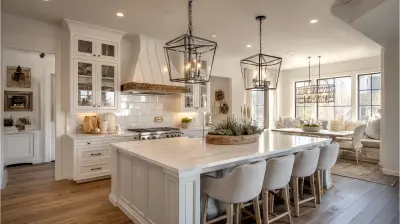
The Best Ways to Finance Your Fixer Upper Renovation
18 March 2026
So, you’ve found the perfect fixer-upper—a home with solid bones but in desperate need of some TLC. The idea of transforming a worn-down property into your dream home is thrilling, but let’s be real: renovations aren’t cheap. Whether it’s a minor facelift or a full-on gut job, you need a solid financing plan.
But don’t worry! There are plenty of ways to fund your renovation without draining your savings. Let’s dive into the best financing options so you can get started on turning that diamond in the rough into a shining gem. 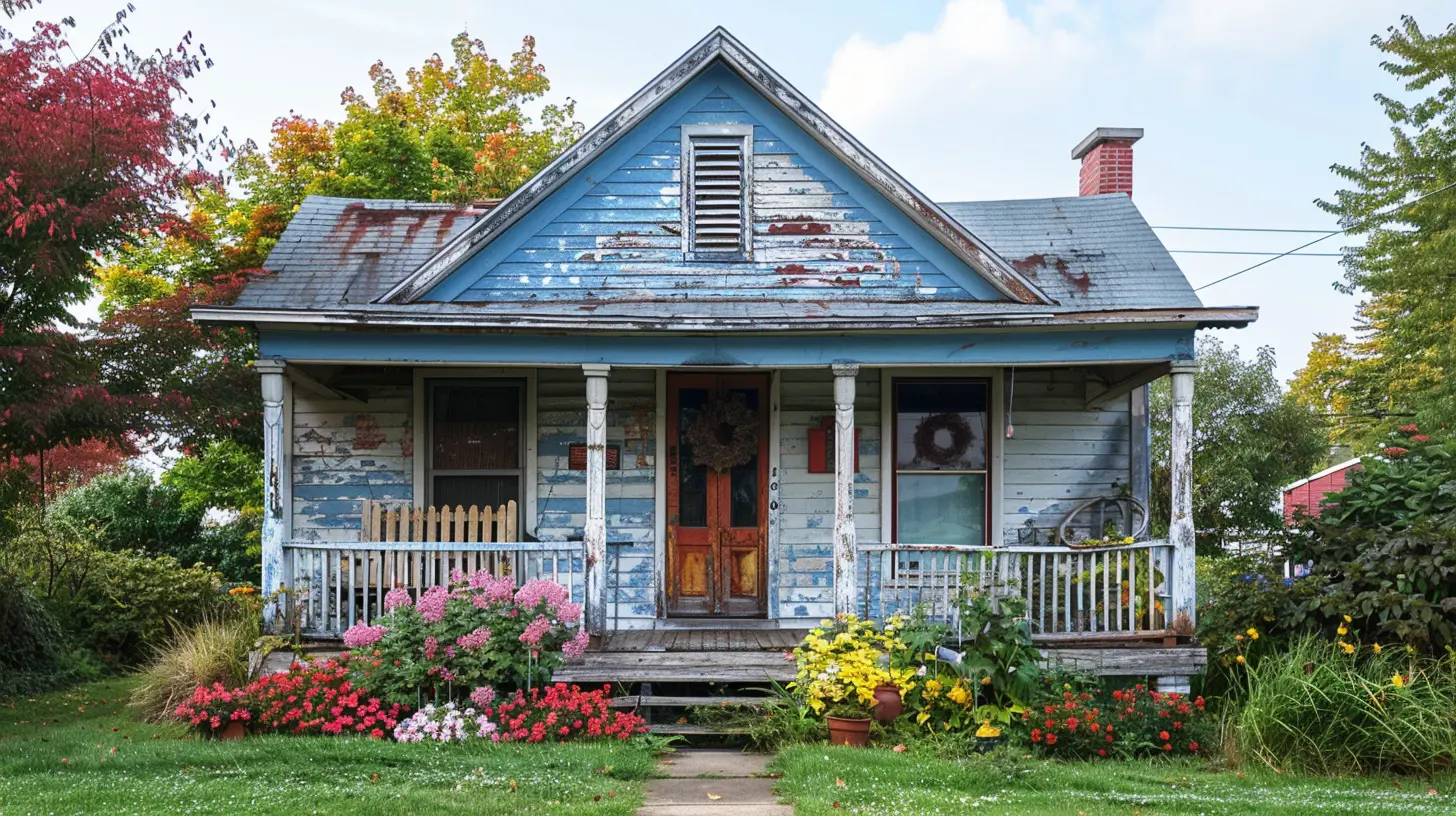
1. Cash Savings: The No-Debt Approach
If you’ve been diligently saving, using your own cash is the simplest way to fund your renovation. No debt, no interest, and no monthly payments—just pure financial freedom.Pros:
✔ No loans or interest payments✔ No credit score requirements
✔ Full control over your budget
Cons:
✖ Can drain your emergency fund✖ Might not be enough for major repairs
If you’re tackling small, cosmetic upgrades like painting, flooring, or kitchen updates, paying out of pocket is a great option. However, if your renovation requires major structural changes, you might need additional funding. 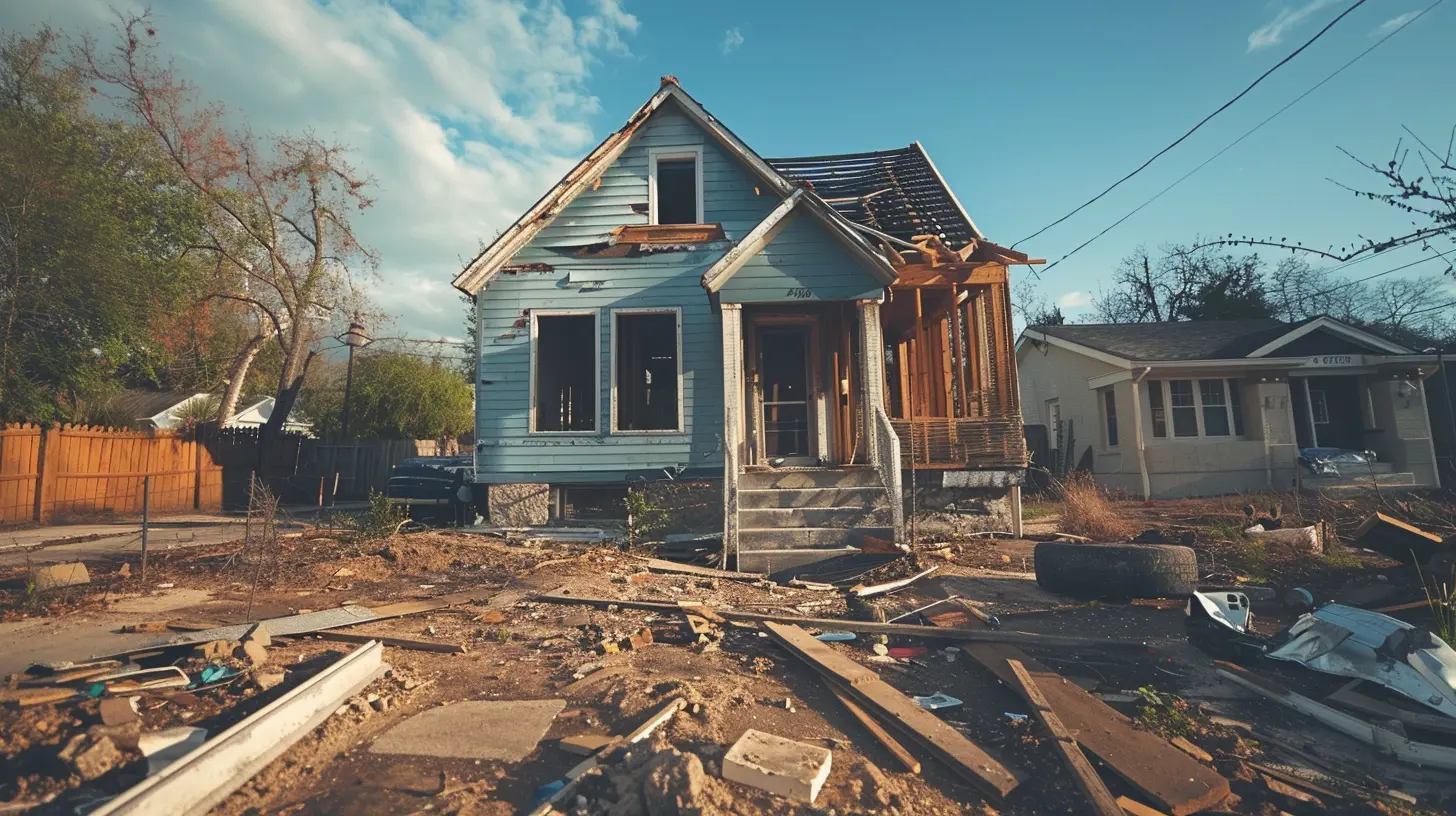
2. Home Equity Loan: Borrow Against Your Home’s Value
A home equity loan is basically a second mortgage. You borrow a lump sum of money based on the equity (current value minus your mortgage balance) in your home.Pros:
✔ Fixed interest rates✔ Predictable monthly payments
✔ Possible tax deductions on interest
Cons:
✖ Your home is collateral—miss payments, and you could lose it✖ Requires good credit and solid home equity
This is great if you know exactly how much your renovation will cost. Just be sure you’re comfortable with the extra debt before moving forward! 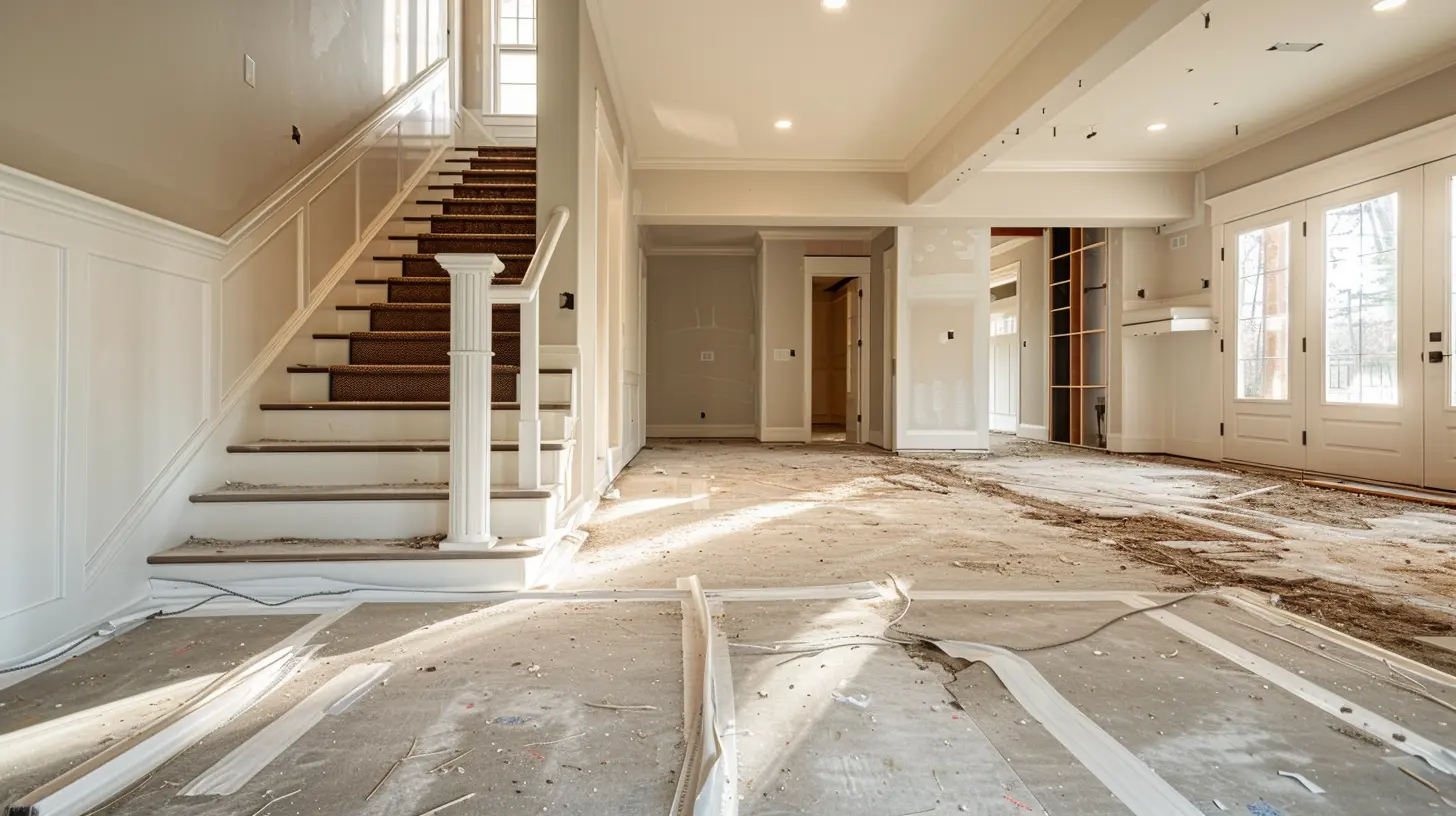
3. Home Equity Line of Credit (HELOC): A Flexible Option
A HELOC is similar to a home equity loan but works more like a credit card. You’re given a line of credit that you can draw from as needed.Pros:
✔ Flexible—borrow only what you need✔ Lower interest rates than personal loans or credit cards
✔ Only pay interest on what you use
Cons:
✖ Interest rates can fluctuate✖ Requires home equity and good credit
✖ Your home is still on the line
If your renovation plans are evolving and you want flexibility in your budget, a HELOC could be a perfect fit. 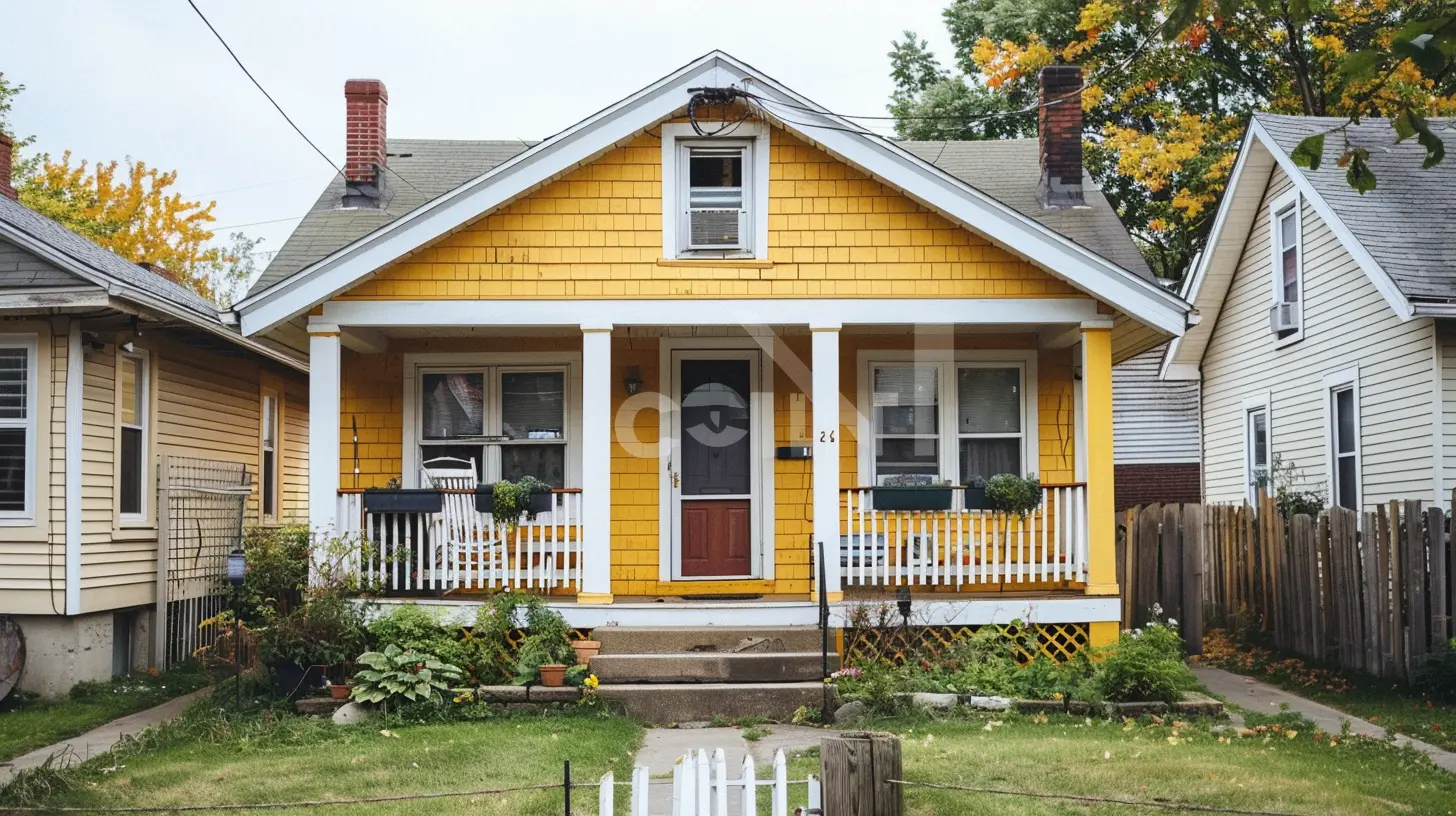
4. FHA 203(k) Loan: A Great Option for First-Time Buyers
If you’re purchasing a fixer-upper and need funds for renovations, the FHA 203(k) loan is worth considering. It combines the home purchase price with renovation costs into a single mortgage.Pros:
✔ Low down payment (as little as 3.5%)✔ One loan covers both home purchase and renovation
✔ Backed by the FHA, making it easier to qualify
Cons:
✖ Requires government approval and inspections✖ Can take longer to close
✖ Not ideal for small-scale upgrades
This is a smart option if you're buying a home that needs extensive repairs and you don’t have cash on hand for renovations.
5. Fannie Mae HomeStyle Loan: Another All-in-One Mortgage
Similar to the FHA 203(k) loan, the Fannie Mae HomeStyle Loan lets buyers finance renovations into their mortgage. However, this option has fewer restrictions and broader approval requirements.Pros:
✔ Can be used for luxury upgrades like pools or landscaping✔ No need for government approval like with FHA loans
✔ Competitive interest rates
Cons:
✖ Higher credit score requirements (typically 620 or above)✖ Requires detailed renovation plans and contractor estimates
If you want more freedom to customize your renovation, this loan might be your best bet.
6. Personal Loans: Fast Access to Cash
A personal loan is unsecured, meaning you don’t need to put your home up as collateral. If you need cash quickly, this option can work well.Pros:
✔ No need for home equity✔ Faster approval process
✔ Fixed interest rates
Cons:
✖ Higher interest rates than home equity loans✖ Shorter repayment terms (which means higher monthly payments)
This is a solid choice for smaller projects that don’t require hundreds of thousands of dollars.
7. Credit Cards: Smart for Small Projects
Using a credit card for renovations? It’s not as crazy as it sounds—especially if you can take advantage of a 0% introductory APR promotion.Pros:
✔ Immediate access to funds✔ Potential rewards or cashback
✔ No collateral required
Cons:
✖ High-interest rates if not paid off on time✖ Can negatively impact your credit score
If you’re tackling a small project and can quickly pay off the balance, using a credit card strategically can be a smart move.
8. Cash-Out Refinance: A Fresh Start
A cash-out refinance replaces your existing mortgage with a new, larger one—giving you the difference in cash to use for renovations.Pros:
✔ Lower interest rates than personal loans or credit cards✔ Can increase your home’s value by funding major improvements
✔ Consolidates your mortgage and renovation costs into one payment
Cons:
✖ Extends the length of your mortgage✖ Requires good credit and home equity
✖ Closing costs can be expensive
This is a popular option if you’re looking to update your home and lower your mortgage interest rate at the same time.
9. Renovation Grants & Assistance Programs
Depending on where you live, you might qualify for renovation grants, tax credits, or assistance programs—especially if you're fixing up a historic home, improving energy efficiency, or renovating for accessibility.Pros:
✔ Free money (no repayment required)✔ Can be combined with other financing options
✔ Helps reduce out-of-pocket costs
Cons:
✖ Hard to qualify for✖ Limited funding availability
✖ Can involve a lot of paperwork
If you’re eligible, a renovation grant can be a huge help in reducing overall costs.
Which Option is Right for You?
Choosing the best financing option depends on your financial situation, credit score, and the extent of your renovation. Here’s a quick cheat sheet:- For small projects → Cash savings, credit cards, or personal loans
- For big renovations → Home equity loans, HELOCs, or cash-out refinance
- For fixer-upper purchases → FHA 203(k) loan or Fannie Mae HomeStyle loan
- For free money → Look into grants and assistance programs
At the end of the day, renovating a fixer-upper is an investment—so make sure you're financing it wisely.
Final Thoughts
Renovating a fixer-upper is exciting, but the financial side can feel overwhelming. The good news? You’ve got options! Whether you’re using your savings, tapping into home equity, or exploring loan programs, there’s a financing plan that fits your needs.Before you dive in, take time to evaluate your budget, compare interest rates, and consider how much risk you’re comfortable with. Then, get ready to roll up your sleeves and turn that fixer-upper into the home of your dreams!
all images in this post were generated using AI tools
Category:
Fixer UppersAuthor:

Basil Horne
Discussion
rate this article
2 comments
Juno McTigue
Considering financing for your fixer-upper? Think outside the box! Maybe barter your collection of antique spoons or convince your cat to become an Instagram star! With creativity and a splash of whimsy, you’ll fund those renovations while entertaining the neighborhood!
March 21, 2026 at 4:02 AM
Basil Horne
That's a fun perspective! Embracing creativity can make the financing journey more enjoyable. Who knows, your cat might just be the next big thing!
Cynthia Brooks
Consider long-term ROI; prioritize energy efficiency for sustainable value growth.
March 19, 2026 at 5:48 AM
Basil Horne
Great point! Energy efficiency not only saves costs but also adds lasting value to renovations.