The Best Flooring Materials for Modern Homes in 2026
27 September 2026
Flooring is the one finish in a house that every resident touches every single day. It absorbs the impact of daily life, sets the acoustic character of a room, and often represents one of the largest line items in a renovation budget. Yet it is frequently chosen in an afternoon at a showroom, driven by a sample square and a sale price. That approach worked when the market offered a handful of reliable options. In 2026, it does not. The category has fragmented into dozens of engineered systems, each with its own installation requirements, maintenance rituals, and failure modes.
This guide is not a catalog. It is a decision framework. The goal is to help you understand not just what is popular, but what actually performs in specific conditions, and why.
The Forces Reshaping Flooring Decisions in 2026
Three shifts matter more than any individual product trend.First, water resistance has become the default expectation rather than a premium feature. Rigid core products, which are built on a mineral or polymer composite base instead of wood or plywood, now dominate the mid-market. Homeowners who once tolerated swollen seams around a dishwasher now expect a floor to survive a minor flood. Manufacturers have responded, but the marketing has outpaced the engineering. "Waterproof" on a box does not mean the installation is waterproof, and it certainly does not mean the subfloor is protected.
Second, labor costs have risen faster than material costs in most metropolitan markets. A floor that saves two dollars per square foot on materials but adds eight hours of skilled installation labor is not a bargain. This has pushed buyers toward click-lock systems and away from glue-down and nail-down assemblies in renovation scenarios, even when the latter perform better.
Third, indoor air quality has moved from a niche concern to a mainstream filter. Adhesives, finishes, and synthetic backings all off-gas to some degree. Products with low volatile organic compound emissions and documented third-party certification now command a real premium, particularly in homes with young children or residents with respiratory sensitivities.
Understanding these forces explains most of what follows.
Hardwood: Still the Benchmark, With Caveats
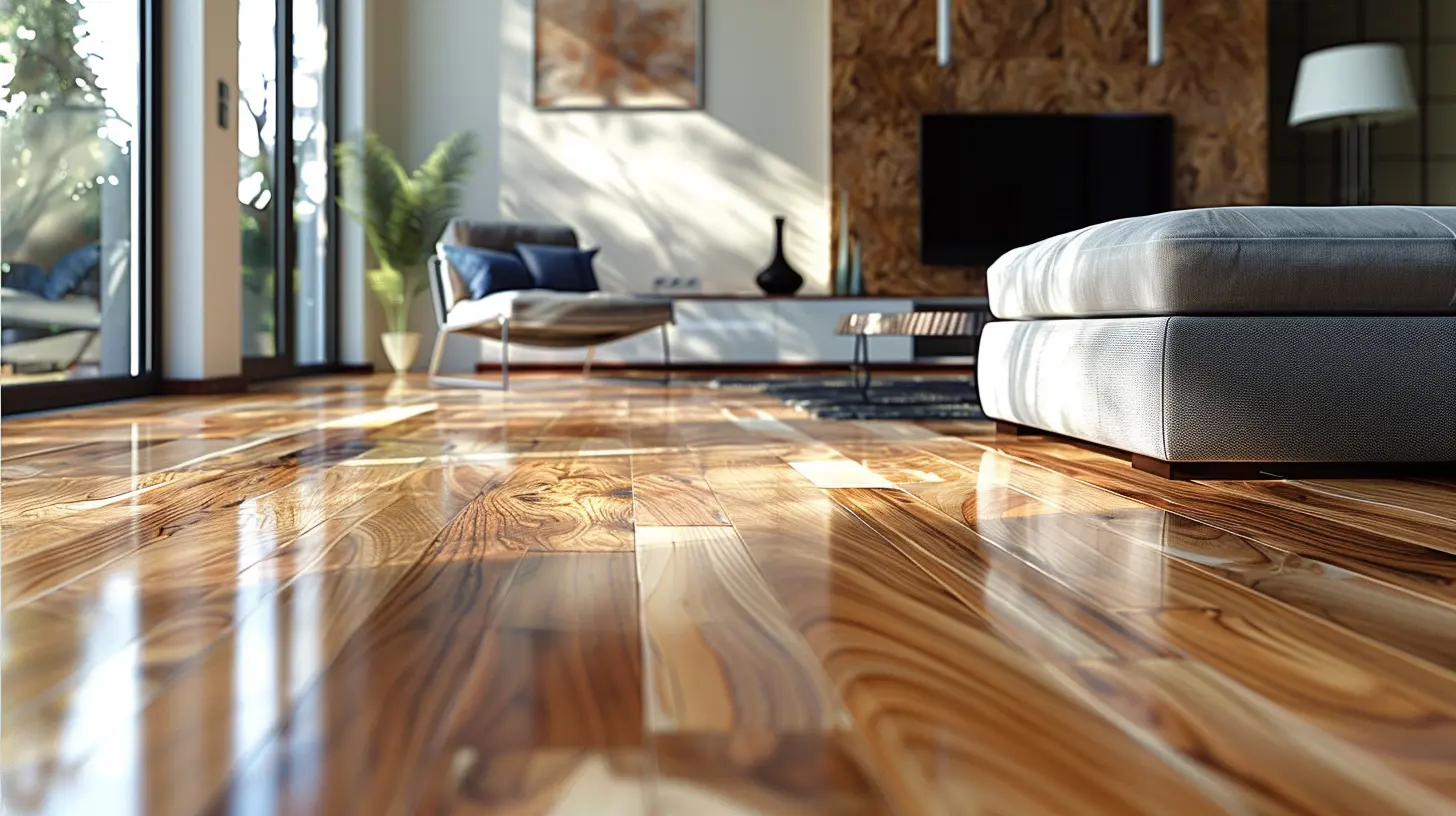
Solid hardwood remains the reference point against which every other floor is judged. It can be sanded and refinished multiple times, it develops character rather than degrading, and it supports resale value in most markets. Oak, maple, hickory, and ash continue to lead in North America, while European white oak dominates the premium import segment.The critical distinction in 2026 is between solid and engineered hardwood, and the gap between them has narrowed considerably. Engineered hardwood uses a plywood or high-density fiberboard core with a real wood wear layer on top. Twenty years ago, that wear layer was often thin enough to prohibit refinishing. Today, quality engineered products carry wear layers of four millimeters or more, which allows at least two professional sandings.
Why does this matter? Because engineered hardwood handles humidity fluctuation far better than solid. A solid three-quarter-inch oak plank will expand and contract across its width with seasonal moisture changes. In a home without tightly controlled humidity, that movement produces gaps in winter and cupping in summer. Engineered planks constrain that movement through cross-ply construction.
When Solid Hardwood Is the Right Call
Choose solid hardwood when you have a stable indoor environment, a plywood or plank subfloor at or above grade, and a long ownership horizon. It is also the better choice when you want the option of changing stain color decades from now. A 1960s oak floor sanded down and finished in a modern matte sheen looks entirely current.When to Avoid It
Avoid solid hardwood below grade, over concrete slabs, and in kitchens and bathrooms unless you accept the risk. A slab transmits moisture vapor from the ground, and solid wood has no defense against it. You can install a vapor barrier and a plywood sleeper system, but you have now spent more than engineered or rigid core would have cost, for a floor that is still more vulnerable.The Common Mistake
The single most frequent error is specifying a wide plank in solid wood. Planks wider than five inches move more across their width, and the cumulative movement across a room can open dramatic gaps. If you want the look of wide planks, engineered is the technically correct choice, not solid.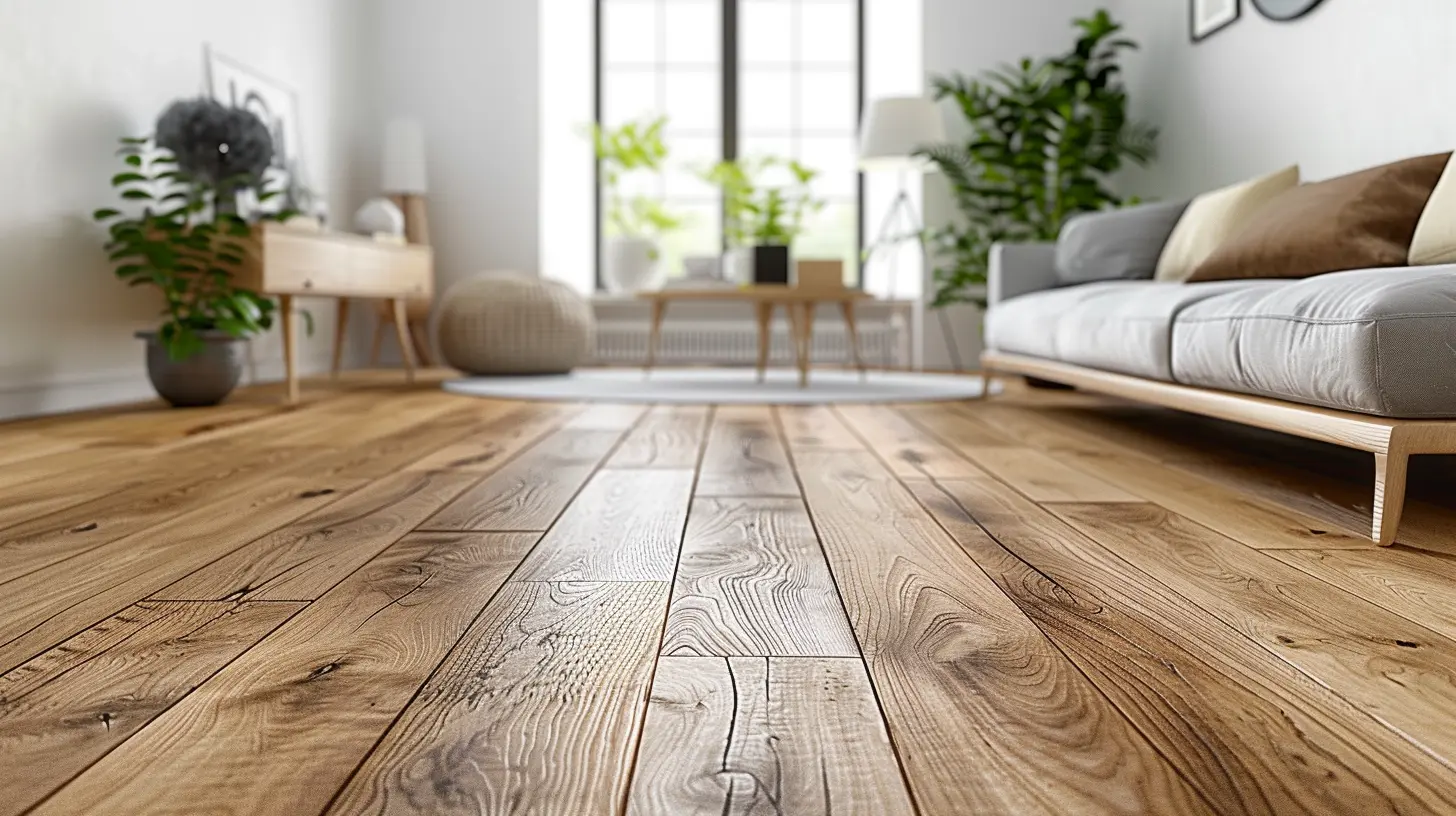
Engineered Wood and the Rise of Rigid Core
Rigid core flooring, sometimes called SPC (stone polymer composite) or WPC (wood polymer composite), has become the workhorse of modern homes. These products consist of a rigid mineral or foamed polymer core, a printed decorative layer, and a transparent wear layer, usually made of polyurethane with an aluminum oxide additive.The appeal is straightforward. They are dimensionally stable, they tolerate moisture far better than wood, they click together without adhesive, and they can be installed over most existing hard surfaces. In a rental property or a basement, they solve problems that no wood product can.
But the category has a quality spectrum that ranges from excellent to disposable, and the difference is rarely visible on the sample.
What Separates Good Rigid Core From Bad
Wear layer thickness is the first metric. It is measured in mils, and the numbers are not comparable across brands because some quote the total coating and others quote only the transparent layer. As a practical rule, look for a wear layer of 20 mils or higher for residential use, and 28 mils or more for commercial or pet-heavy households. A 6-mil product will show traffic patterns within a few years.Core density is the second. Denser cores resist indentation from furniture legs and high heels. A simple test at the showroom: press a fingernail into the edge of a sample plank. If it leaves a permanent dent, the core is too soft.
Third, check whether the product has an attached underlayment pad. Some do, some do not, and some manufacturers void the warranty if you add your own. This is a detail that trips up do-it-yourself installers constantly.
The Honest Trade-Offs
Rigid core does not refinish. When the wear layer dulls or scratches deeply, the floor is replaced, not restored. That is a real cost over a 30-year horizon. It also feels different underfoot. The hard core transmits impact, which makes it louder and less forgiving than wood or cork. Good acoustic underlayment helps, but it does not fully close the gap.And here is the misconception worth correcting: waterproof planks do not make a waterproof floor. Water that seeps into the seams and reaches the subfloor can still cause mold, especially over a slab. If a pipe bursts, you are pulling up the floor regardless of what the box claimed.
Tile: The Most Misunderstood Category
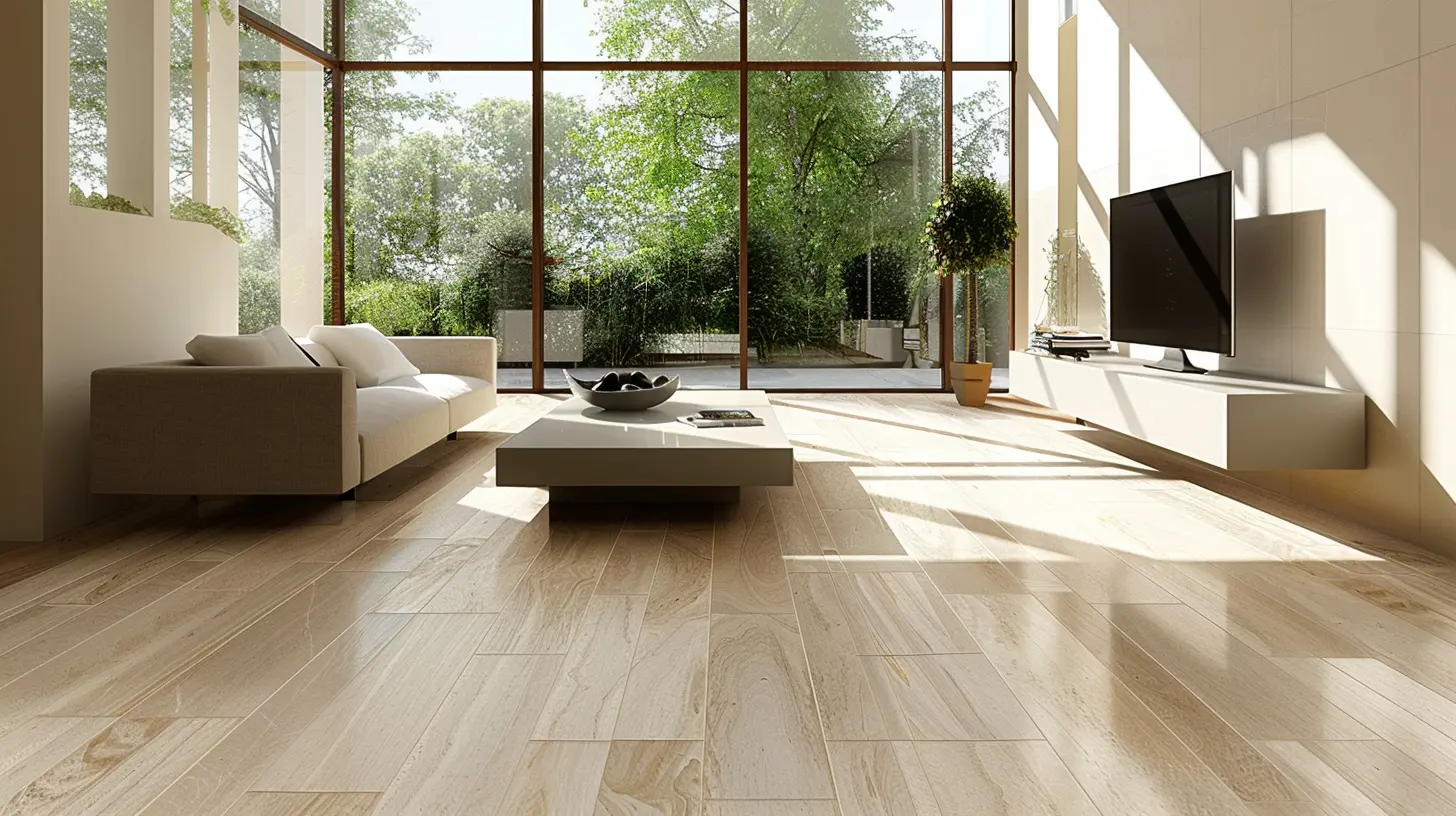
Tile is often treated as a single material when it is really three distinct categories with different performance profiles: ceramic, porcelain, and natural stone.Porcelain is denser and less porous than ceramic because it is fired at higher temperatures with refined clays. It is the correct choice for floors in wet areas, entryways, and anywhere with heavy traffic. Ceramic is fine for walls and light-duty floors but chips and cracks more readily under impact.
Natural stone, including marble, travertine, slate, and limestone, offers unmatched visual depth. It also requires sealing, is susceptible to etching from acidic spills, and varies in thickness enough that installation labor rises significantly.
The Subfloor Problem Nobody Mentions
Tile cracks because the structure beneath it moves. A tile floor is a rigid assembly, and rigid assemblies fail when the substrate deflects. The industry standard for deflection is L/360 for ceramic and L/720 for stone, meaning the floor structure cannot bend more than a set fraction of its span under load. Many older homes do not meet this, particularly with joist spans over 14 feet.Before you buy tile, have someone evaluate your joist structure. If it fails, you have two options: add a mid-span support or sister the joists, or choose a different floor. Ignoring this is why so many tile floors develop cracks along grout lines within two years.
Large Format Tile and the Lippage Trap
Large format tile, generally anything over 15 inches on a side, has become the dominant aesthetic. It reduces grout lines and makes small rooms feel larger. It also demands a flatter substrate than most floors provide. The industry tolerance for lippage, which is the height difference between adjacent tiles, is tight, and achieving it with large tiles requires a skilled installer using a leveling system.The practical consequence: large format tile costs more to install, not just to buy. If your bids come in far apart, ask what substrate prep is included. The low bid usually excludes it.
Luxury Vinyl Plank and the Budget Question
Luxury vinyl plank, or LVP, overlaps conceptually with rigid core but generally refers to products with a more flexible vinyl core. These are the most affordable realistic option for a whole-house renovation, and they have improved substantially in appearance. Modern printing and embossing can replicate wood grain convincingly at arm's length.The limitations are real. Flexible vinyl telegraphs every imperfection in the subfloor, so it demands more prep, not less. It can be punctured by dropped knives or heavy furniture on narrow legs. And it fades in direct sunlight over time, which matters in south-facing rooms with large windows.
LVP makes sense in basements, rental units, and short-horizon ownership. It makes less sense in a primary residence you plan to hold for 20 years, where the replacement cycle will catch up with you.
Cork, Linoleum, and the Natural Segment
Cork and linoleum occupy a small but durable niche. Cork is warm, quiet, and resilient, and it recovers from compression, which makes it comfortable for standing. It requires sealing against moisture and is not appropriate for bathrooms or basements. Linoleum, made from linseed oil, cork dust, and jute, is extremely durable and has a distinctive appearance that has aged well. Both are good choices for bedrooms, home offices, and anyone prioritizing low chemical emissions.The trade-off is availability and installer familiarity. Fewer contractors have experience with these materials, and a bad installation will undo the material's advantages.
Matching Material to Room, Not to Trend
The most useful discipline in flooring selection is to stop asking what is popular and start asking what each room demands.| Room | Primary Stressors | Strong Choices | Poor Choices |
|---|---|---|---|
| Kitchen | Water, dropped items, grease | Porcelain tile, rigid core, engineered wood | Solid wood, cork |
| Bathroom | Standing water, humidity | Porcelain tile, sheet vinyl | Wood, laminate, LVP with seams |
| Basement | Moisture vapor, cool temps | Rigid core, tile, luxury vinyl | Solid wood, laminate |
| Bedroom | Comfort, quiet | Carpet, cork, engineered wood | Tile |
| Living area | Traffic, aesthetics | Engineered wood, hardwood, rigid core | Low-mil vinyl |
| Entry | Abrasion, dirt | Porcelain, stone, dense rigid core | Carpet, soft vinyl |
This table is a starting point, not a rule. A kitchen with a careful household and a mat at the sink can carry engineered wood for decades. A bathroom with a curbless shower and poor ventilation will destroy almost anything except tile.
Installation Quality Beats Material Choice
Here is the assertion that matters most in this entire article: a mid-grade material installed correctly will outperform a premium material installed poorly, almost every time.The reasons are mechanical. Flooring fails at the edges, the seams, and the transitions. It fails because the subfloor was not flat, because the expansion gap was too small, because the concrete was not tested for moisture, or because the installer skipped the acclimation period.
Before any material goes down, three things should happen.
The subfloor should be checked for flatness against the manufacturer's specification, typically within an eighth of an inch over ten feet for most products and tighter for large tile.
Concrete should be tested for moisture vapor emission, not just for visible dampness. A calcium chloride test or an in-situ relative humidity probe gives a number you can compare against the product's limit.
The material should acclimate in the room where it will be installed for the period the manufacturer specifies. Skipping this is the most common cause of gapping and cupping in wood and laminate.
If your installer resists any of these steps, that is your answer about the installer.
Cost Over the Life of the Floor
Purchase price is misleading. The honest metric is cost per year of service.A solid oak floor at twelve dollars per square foot installed, refinished twice over 40 years at three dollars per square foot each time, works out to roughly 45 cents per square foot per year. A rigid core floor at six dollars per square foot installed, replaced after 12 years, works out to 50 cents. The numbers land close together, which is why the decision should be driven by how you live, not by which one is cheaper on day one.
Tile is the outlier. A porcelain floor at fifteen dollars per square foot installed can last 50 years with nothing but cleaning, which puts it near 30 cents per square foot per year, but it is cold, hard, and unforgiving in living spaces.
Practical Recommendations
If you are renovating a whole house and want one material throughout, engineered hardwood in a matte finish is the most balanced choice for living areas, paired with porcelain tile in wet rooms. If budget constrains you, a high-quality rigid core with a 20-mil wear layer throughout the main level, with tile in bathrooms, delivers the best value per dollar.If you have a basement, do not fight the moisture. Use rigid core or tile and accept the aesthetic compromise.
If you have pets, prioritize scratch resistance over everything else. That means tile, or a rigid core with a high wear layer rating, or a hardwood with a very hard species like hickory. Soft woods and high-gloss finishes will show every claw mark.
If you plan to sell within five years, choose the material the local market expects. In most suburban markets, that is still hardwood or a convincing engineered alternative in main living areas.
Final Word
The best flooring material for a modern home in 2026 is the one that matches your moisture conditions, your traffic patterns, your subfloor, and your tolerance for maintenance. No product wins on all four. Wood gives warmth and refinishability at the cost of water sensitivity. Tile gives durability and water resistance at the cost of comfort and installation complexity. Rigid core gives affordability and moisture tolerance at the cost of longevity and feel.Choose with your eyes open about the trade-offs, invest in proper subfloor preparation, and hire an installer whose references you actually called. Do those three things and almost any reasonable material will serve you well for a long time.
all images in this post were generated using AI tools
Category:
Home DesignAuthor:

Basil Horne