Sustainable Materials for Fixer Upper Renovations
16 June 2026
Let’s be real — fixer uppers are like the blind dates of the real estate world. Full of promise, a little rough around the edges, and could either turn into your dream home or a total disaster. But what if we told you that giving your fixer upper a facelift doesn’t mean you have to sacrifice the planet in the process? Yup, you absolutely can renovate in style AND stay eco-conscious.
Whether you're a weekend warrior or a HGTV binge-watcher plotting your own "before and after" reveal, this guide’s for you. Let’s dive into the wild and kinda wonderful world of sustainable materials for fixer upper renovations — where being green is the new black (and yes, bamboo floors totally count).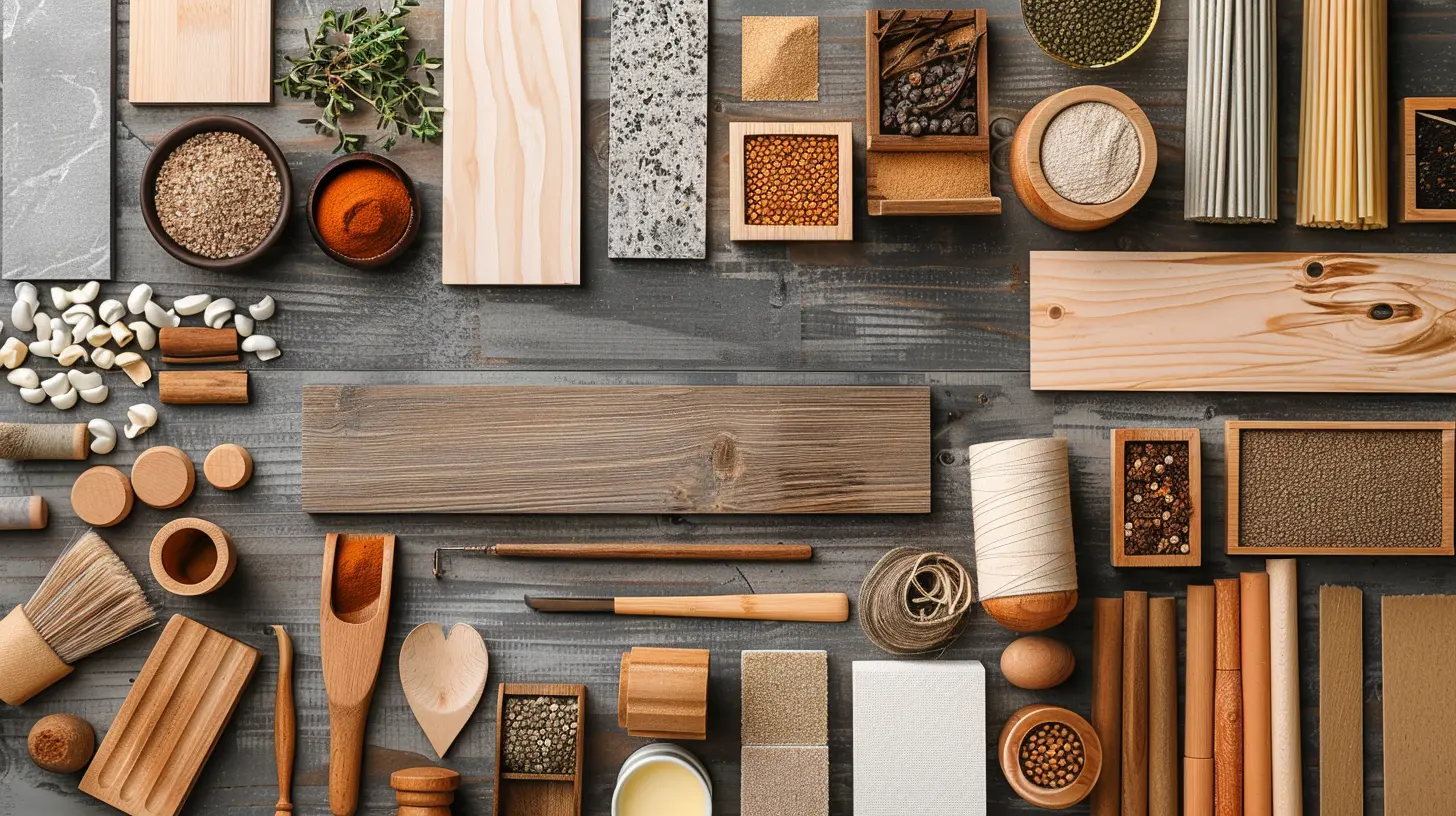
Why Sustainable Materials Matter (More Than You Think)
Okay, let's have a heart-to-heart moment. Renovating already takes a ton of energy — mentally, physically, and environmentally. Now, here’s a fun (read: terrifying) stat — the construction industry is responsible for nearly 40% of the world's CO₂ emissions. Yikes, right?Using sustainable materials helps reduce your carbon footprint, keeps nasty chemicals out of your living space, and often looks pretty dang cool while doing it. It's kind of like giving Mother Earth a makeover too. And the best part? You don’t have to be a tree-hugging minimalist to pull it off.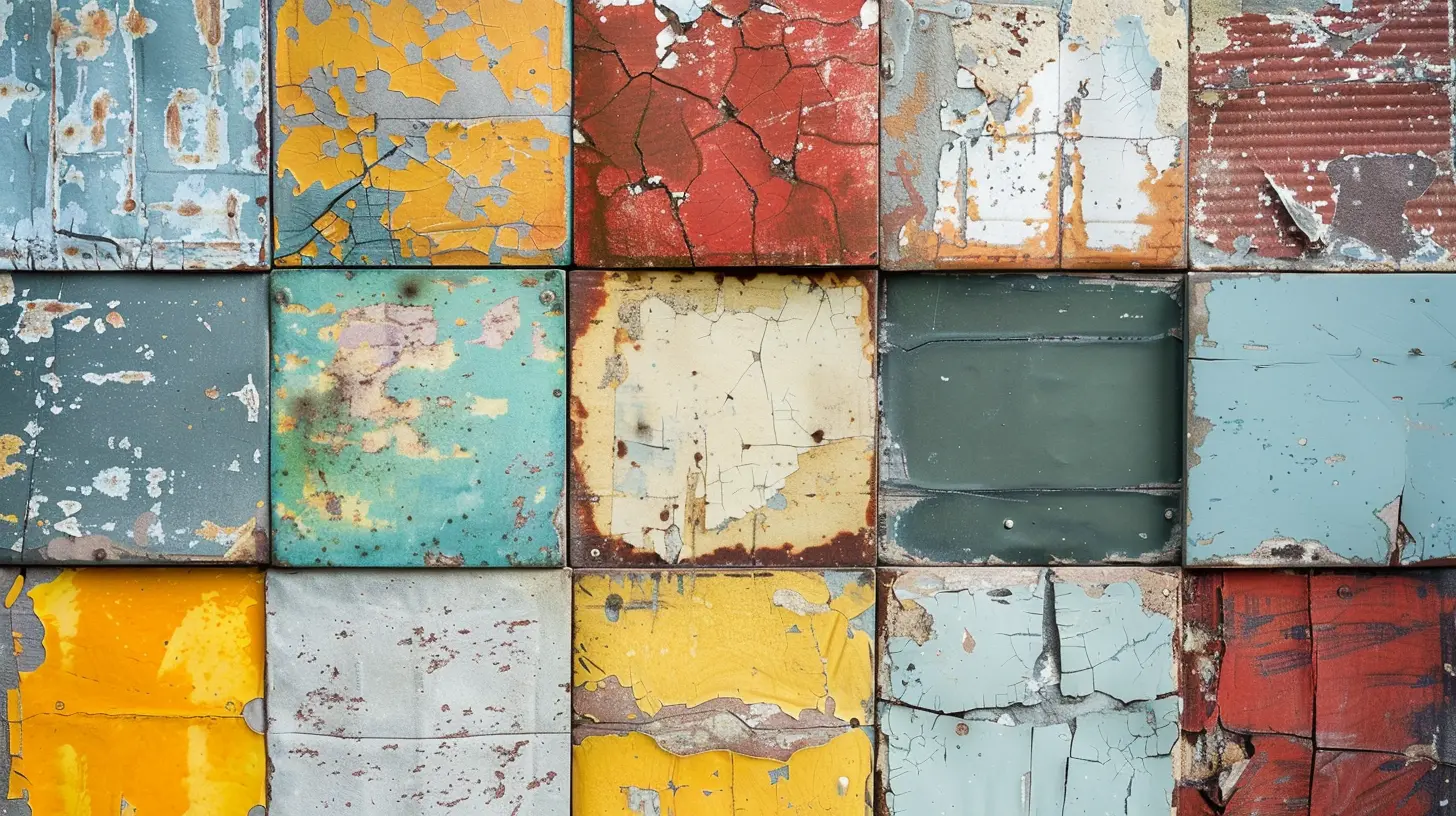
What Even Counts as a “Sustainable” Material?
Before we go full-on Pinterest board with ideas, let’s clarify what makes a material sustainable. Think of it like Tinder — you want something with long-term potential, not just surface-level hotness. Here's what to look for:- ? Renewable: Like bamboo or cork — grows fast and keeps on coming.
- ♻️ Recycled or Reclaimed: Old wood, repurposed metal, salvaged stone — basically architectural reincarnation.
- ? Low Toxins: No one wants to breathe in chemicals. Look for low-VOC (volatile organic compounds) paints and finishes.
- ? Durable: If it lasts decades, you're winning (and not replacing it every 3 years).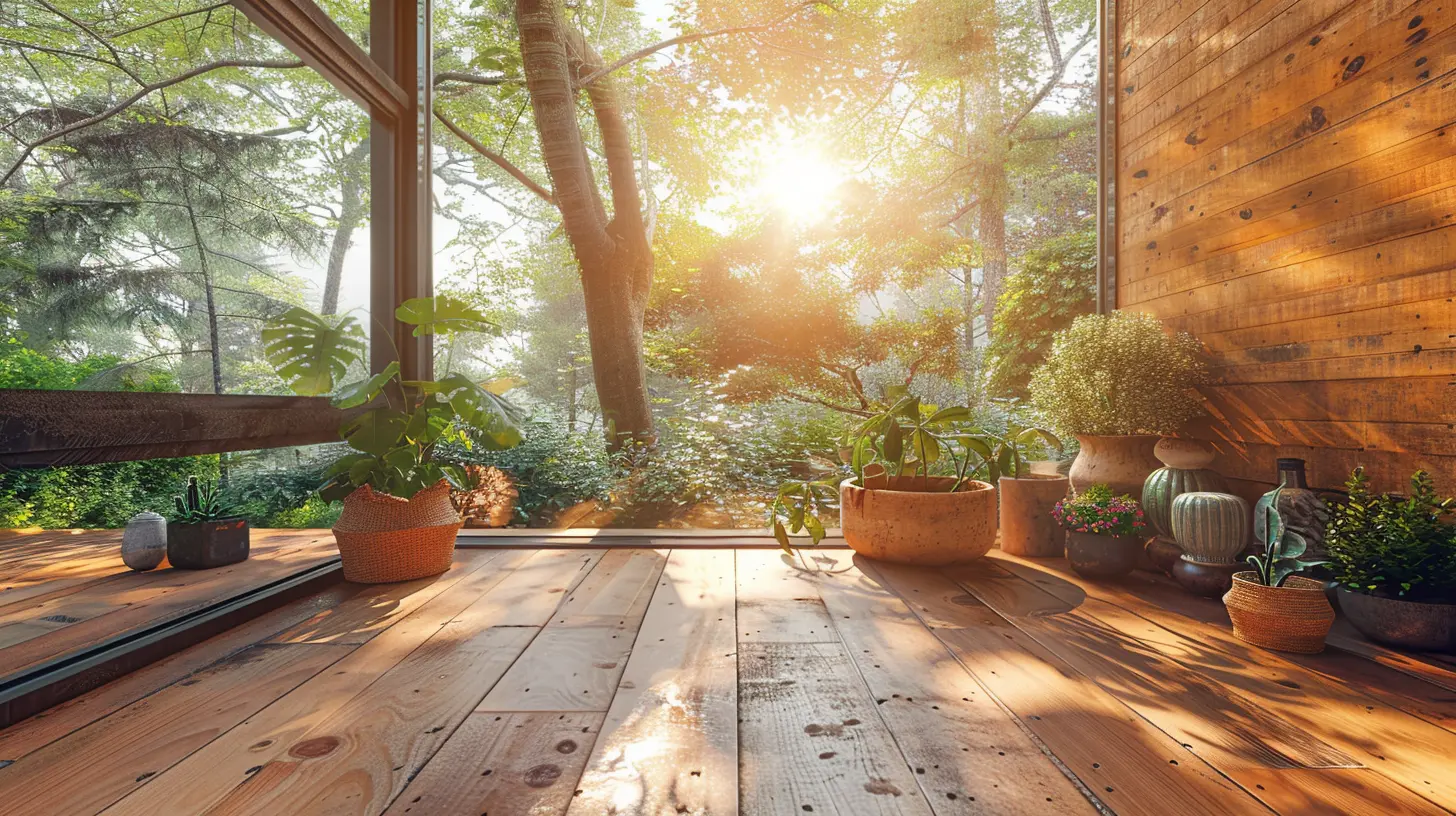
1. Flooring That Feels Good Underfoot (and for the Planet)
Let’s tackle the foundation — literally.Bamboo
This is the Usain Bolt of the plant world. Bamboo grows crazy fast (like 3 feet in 24 hours fast!) and makes for a super durable, stylish flooring option. It’s harder than oak and looks as good in a mid-century modern home as it does in a rustic farmhouse.Downside? It can be imported from far away, so check if it’s responsibly sourced.
Cork
Made from tree bark (yes, really), cork is soft, springy, and naturally mold-resistant — perfect for kitchens or kids' rooms. Bonus: it’s harvested without harming the tree, so it keeps on giving.Reclaimed Wood
This is your interior design equivalent of vintage Levi’s. Each plank tells a story. Whether it’s from an old barn or warehouse, reclaimed wood adds character and keeps usable materials out of landfills. Just make sure to seal it properly, especially if it's seen better days.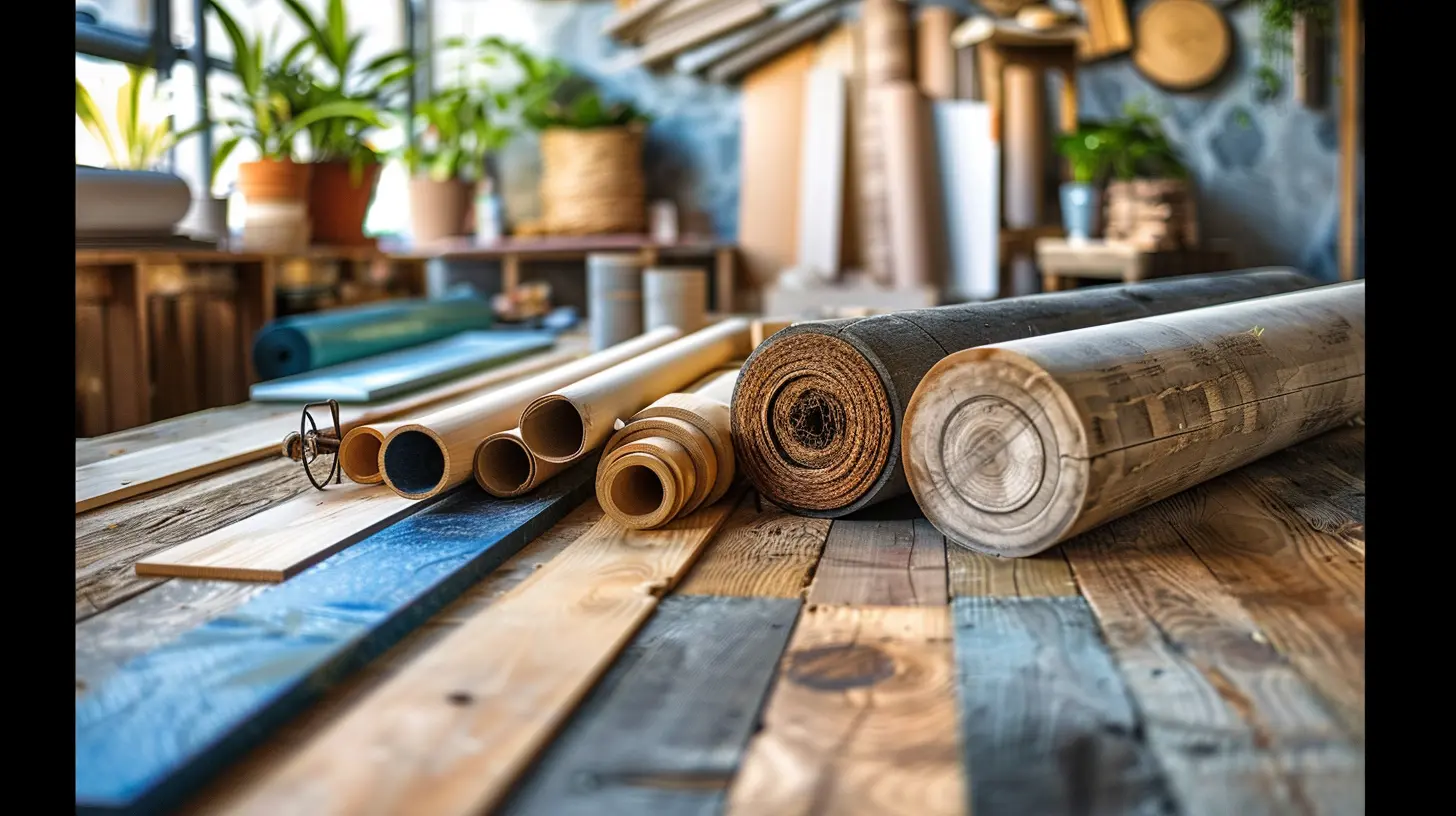
2. Countertops with a Conscience
Say goodbye to basic granite and hello to some show-stopping, sustainable alternatives.Recycled Glass
Not only is it gorgeous (think sea glass meets high design), but it’s made from crushed recycled glass and resin. Imagine a mosaic of bottle shards and magic — that’s your new kitchen countertop.Paper Composite
Yes, paper. It sounds wild, but these countertops are made from recycled paper and resin. They’re super dense, non-porous, and surprisingly heat-resistant. Plus, they give off a soft, matte finish that’s seriously swoon-worthy.Butcher Block (Certified Sustainable)
Wood isn’t always the enemy — just make sure it’s FSC-certified (Forest Stewardship Council). Go for maple, birch, or bamboo for a renewable, warm look.3. Cabinets That Aren’t Killing the Planet
Cabinets are like the eyebrows of your kitchen — ignore them and everything looks off. Instead of defaulting to big-box store MDFs (filled with formaldehyde — ew), go greener.Reclaimed Wood Cabinets
Again, we love a comeback story. Pair old wood with modern fixtures and you've got a farmhouse-chic vibe that Chip and Joanna would totally approve of.FSC-Certified Plywood
If you want something new but still planet-friendly, certified plywood is your bestie. It avoids toxic glues and uses wood from responsibly managed forests.Recycled Metal or Aluminum
Modern, low-maintenance, and sleek for days. Metal cabinets are great for industrial or minimalist spaces and are 100% recyclable when you’re done.4. Paint That Doesn’t "Smell Like Renovation"
Ah, that fresh paint smell. You might love it, but your lungs don’t. That “new house” aroma is actually VOCs — chemicals that off-gas into the air.Low-VOC or Zero-VOC Paint
Choose brands that boast low or zero VOCs. Your health (and your pets!) will thank you. Many sustainable paints also use natural pigments, so you're not coating your walls in synthetic soup.Milk Paint
Not for your cereal, but definitely for walls and furniture. It’s made from milk protein (casein), lime, and earth-based pigments. Think old-school charm with a DIY-friendly twist.5. Insulation That’s Cozy and Clean
Insulation is like a winter coat for your house — but the traditional stuff can be full of chemicals.Sheep’s Wool
Yup, straight from the sheep. Wool regulates humidity, resists mold, and is naturally fire-resistant. Plus, it's biodegradable. Just make sure your contractor doesn’t try to shear your dog instead.Recycled Denim
Old jeans, new purpose. Denim insulation is made from post-consumer jeans and performs just like fiberglass but without the itch and eco-guilt.Cellulose
It’s basically shredded newspaper treated with a fire retardant. Super affordable, effective, and a solid way to reuse paper waste.6. Fixtures and Finishes That Spark Joy AND Sustainability
You know that finishing touch that turns heads? It can be eco-friendly too.LED Lighting
Switching to LED bulbs is a no-brainer. They last a gazillion hours, use way less energy, and come in all the color temps you can dream of. It's like mood lighting with a conscience.Reclaimed Fixtures
Hunt down vintage sinks, doorknobs, and light fixtures from salvage yards or online marketplaces. It's way more fun than buying from catalogs and your guests will be asking, “Omg, where did you get that?”Low-Flow Plumbing Fixtures
Cut water use without sacrificing performance. Low-flow toilets, showerheads, and faucets are now super sleek and efficient. In fact, you won’t even notice you’re saving water — until your lower utility bill says thanks.7. Roofing That Doesn’t Blow It (Literally)
Let’s not forget the lid to your fixer upper masterpiece.Metal Roofing
Recyclable? Check. Durable for 50+ years? Check. Reflects sunlight to reduce energy use? Triple check. Metal roofs are making a serious comeback and they can be made from recycled materials too.Reclaimed Clay or Slate Tiles
For those of you aiming for “rustic villa” or “storybook cottage” vibes. These tiles last forever and give your home a distinctive aesthetic — plus they hold up like champs against the elements.Cool Roof Coatings
These coatings reflect visible, infrared, and UV rays, reducing the heat absorbed by your roof. Translation: lower AC bills and less heatstroke in summer.Don’t Forget the Little Stuff (Big Impact Alert!)
Small swaps can go a long way. Think drawer pulls made of recycled glass, tile backsplashes with eco-friendly adhesives, or eco-conscious wallpaper printed with water-based inks.Even choosing locally sourced materials can lower your carbon footprint and support your community. That’s a big win in a small package.
The Renovation Mantra: Reduce, Reuse, Refab
You’ve probably heard the old saying: “Reduce, reuse, recycle.” In fixer upper-fueled reno-land, we like to add one more R: “Refab.” Rethink what’s already there. Can that grimy cabinet be repainted instead of replaced? Can you keep the original crown molding (hello, charm)? Every time you reuse, you’re giving something a second life — and that’s pretty poetic, if you ask us.Final Thoughts: Good for the Planet, Great for Your Home
Renovating a fixer upper with sustainable materials isn’t just a trend — it’s a mindset. It’s about choosing long-term quality over short-term fixes, character over cookie-cutter, and eco over ego.And hey, the planet called. She said “thank you.”
So, whether you're redoing a closet or tackling a full-blown gut job, take a green approach. Your home (and future self) will be better for it. Plus, you get bragging rights at every dinner party.
Need a parting mantra? Here you go: “Renovate with heart. Build with purpose. Live with less guilt.
all images in this post were generated using AI tools
Category:
Fixer UppersAuthor:

Basil Horne
Discussion
rate this article
1 comments
Ardent McCracken
This article highlights an important aspect of home renovation. Choosing sustainable materials not only benefits the environment but also adds unique character to fixer upper projects. It's exciting to see how these choices can transform spaces while promoting a greener future.
June 23, 2026 at 12:40 PM
Basil Horne
Thanks for your insight! I completely agree that sustainable materials can really elevate a project while being kind to the planet. It's all about making the right choices for both aesthetics and the environment.