Sustainable Home Design Features Homebuyers Will Want in 2026
28 April 2026
Let’s be honest—shopping for a home in 2026 won’t look anything like it did a decade ago. Back then, you probably cared about granite countertops, a walk-in closet, and maybe a nice backyard. But today? The game has shifted. Homebuyers are smarter, more conscious, and—dare I say—a little bit obsessed with the future. Not just their own future, but the planet’s too.
So, what’s the big deal? Well, if you’re planning to buy or build a home in 2026, you’re going to want features that don’t just look good on Instagram. You’re going to want a home that works with you, not against you. A home that saves you money, keeps you comfortable, and makes you feel like a hero every time you look at your utility bill. That’s where sustainable home design comes in.
Think of it like this: buying a home without sustainable features in 2026 is like buying a flip phone in 2016. Sure, it makes calls, but you’re missing out on everything else that makes life easier, cheaper, and more enjoyable. So, let’s dive into the sustainable home design features that will have homebuyers knocking down doors in 2026.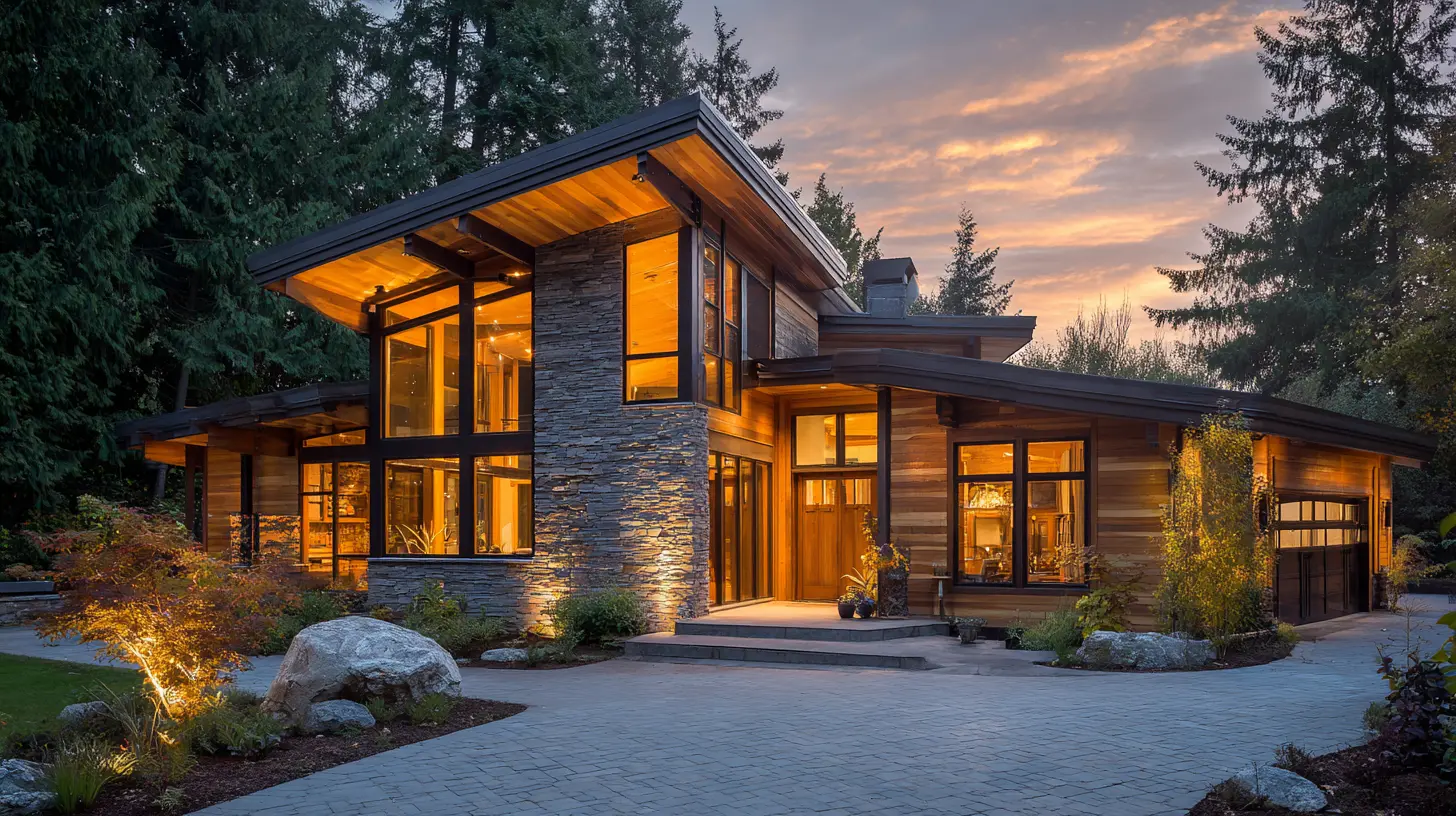
Why Sustainability Isn’t Just a Trend—It’s a Necessity
First, let’s get one thing straight: sustainability in home design isn’t some passing fad. It’s not like avocado toast or fidget spinners. This is a fundamental shift in how we think about living spaces. Why? Because the world is changing, and so are our priorities.Think about what’s happening right now. Energy prices are unpredictable. Extreme weather events are becoming more common. And everyone—from your neighbor to the government—is talking about reducing carbon footprints. For homebuyers in 2026, a sustainable home isn’t a luxury; it’s a smart investment.
But here’s the kicker: sustainable doesn’t mean sacrificing comfort or style. In fact, the best sustainable homes are actually more comfortable, more durable, and more cost-effective in the long run. It’s like buying a pair of boots that last ten years instead of cheap sneakers that fall apart in six months. You pay a little more upfront, but you save a ton in the long haul.
So, what exactly are homebuyers looking for? Let’s break it down.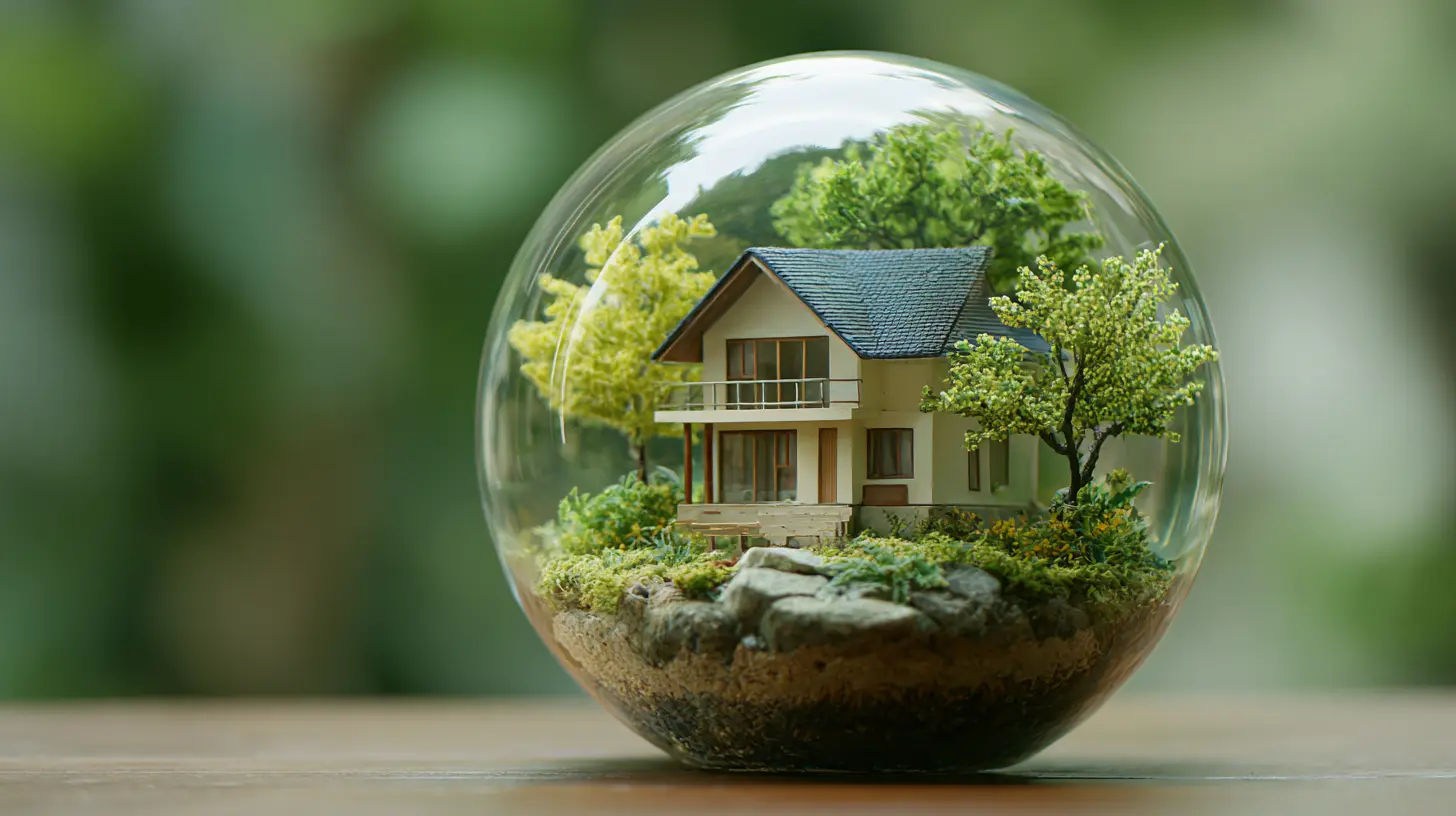
1. Net-Zero Energy Homes: The Holy Grail
Imagine living in a home that produces as much energy as it consumes. Sounds like magic, right? But it’s not. Net-zero energy homes are becoming the gold standard for eco-conscious buyers in 2026.How does it work? It’s a combination of two things: super-efficient construction and on-site renewable energy generation, usually from solar panels. But it’s not just about slapping some panels on the roof. A net-zero home is designed from the ground up to minimize energy loss.
Think about it like a thermos. A regular house leaks heat like a paper cup. But a net-zero home? It’s vacuum-sealed. High-performance windows, thick insulation, airtight construction—every detail is optimized to keep the temperature stable without relying on your HVAC system.
Why do buyers want this? Simple: lower bills. In fact, many net-zero homeowners report energy bills that are close to zero. And with energy costs rising every year, that’s a huge selling point. Plus, it feels good to know you’re not contributing to climate change every time you turn on the lights.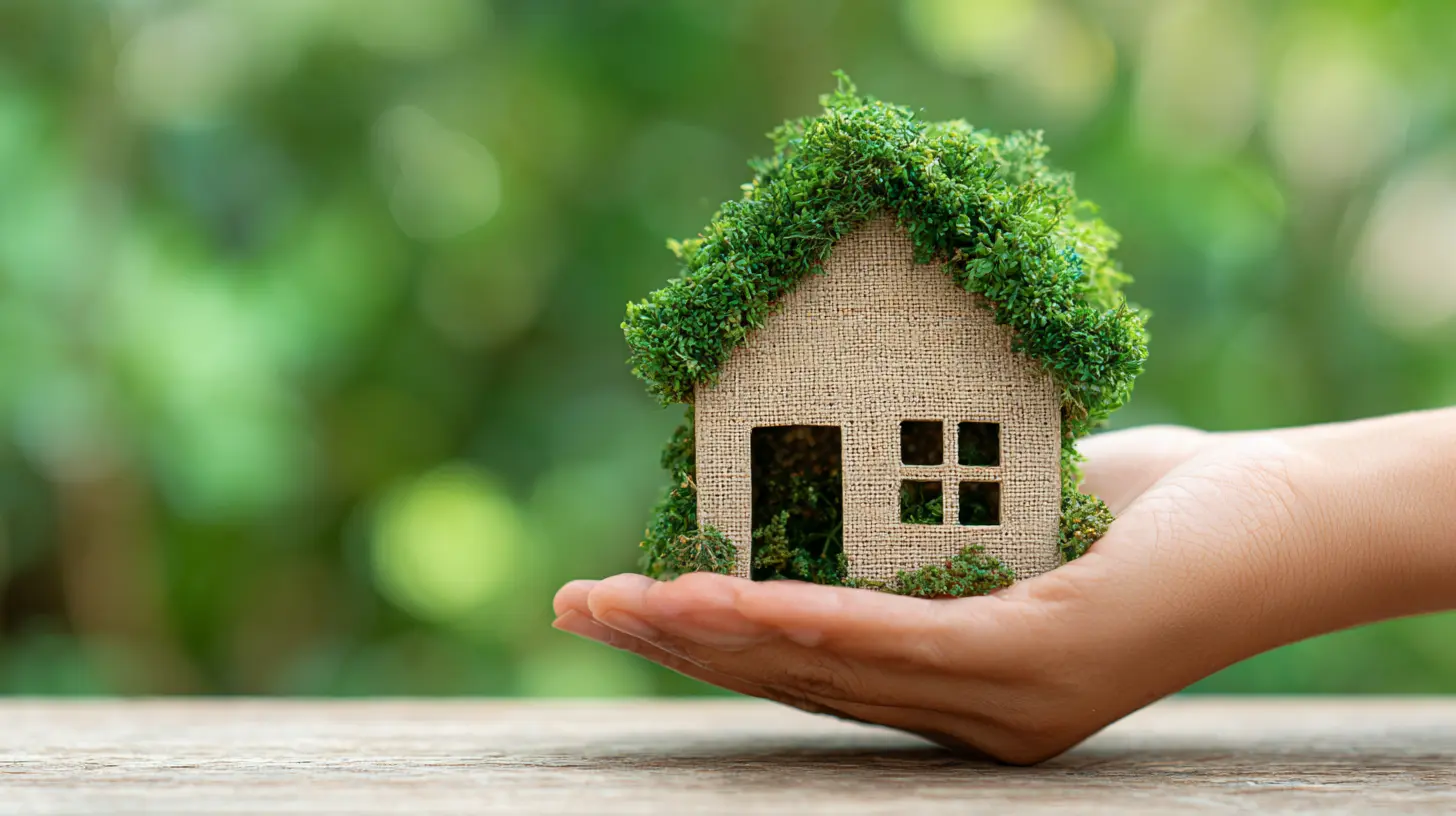
2. Smart Home Tech That Actually Saves Energy
Let’s face it: we all love gadgets. But in 2026, smart home tech isn’t just about asking Alexa to play your favorite song. It’s about automation that reduces waste without you even thinking about it.For example, smart thermostats have been around for a while, but the new generation is incredibly intuitive. They learn your schedule, adjust based on the weather, and even detect when rooms are empty. Imagine your home automatically lowering the heat when you leave for work and warming up just before you return. It’s like having a personal energy butler.
Then there are smart lighting systems that use motion sensors and daylight harvesting. If the sun is shining through the window, the lights dim automatically. If you leave a room, they turn off. It’s small stuff, but it adds up. According to studies, smart home energy management can reduce electricity use by 20% to 30%.
And let’s not forget smart appliances. Refrigerators that tell you when the door is open too long. Washing machines that optimize water usage based on the load size. These aren’t gimmicks—they’re features that save money and resources.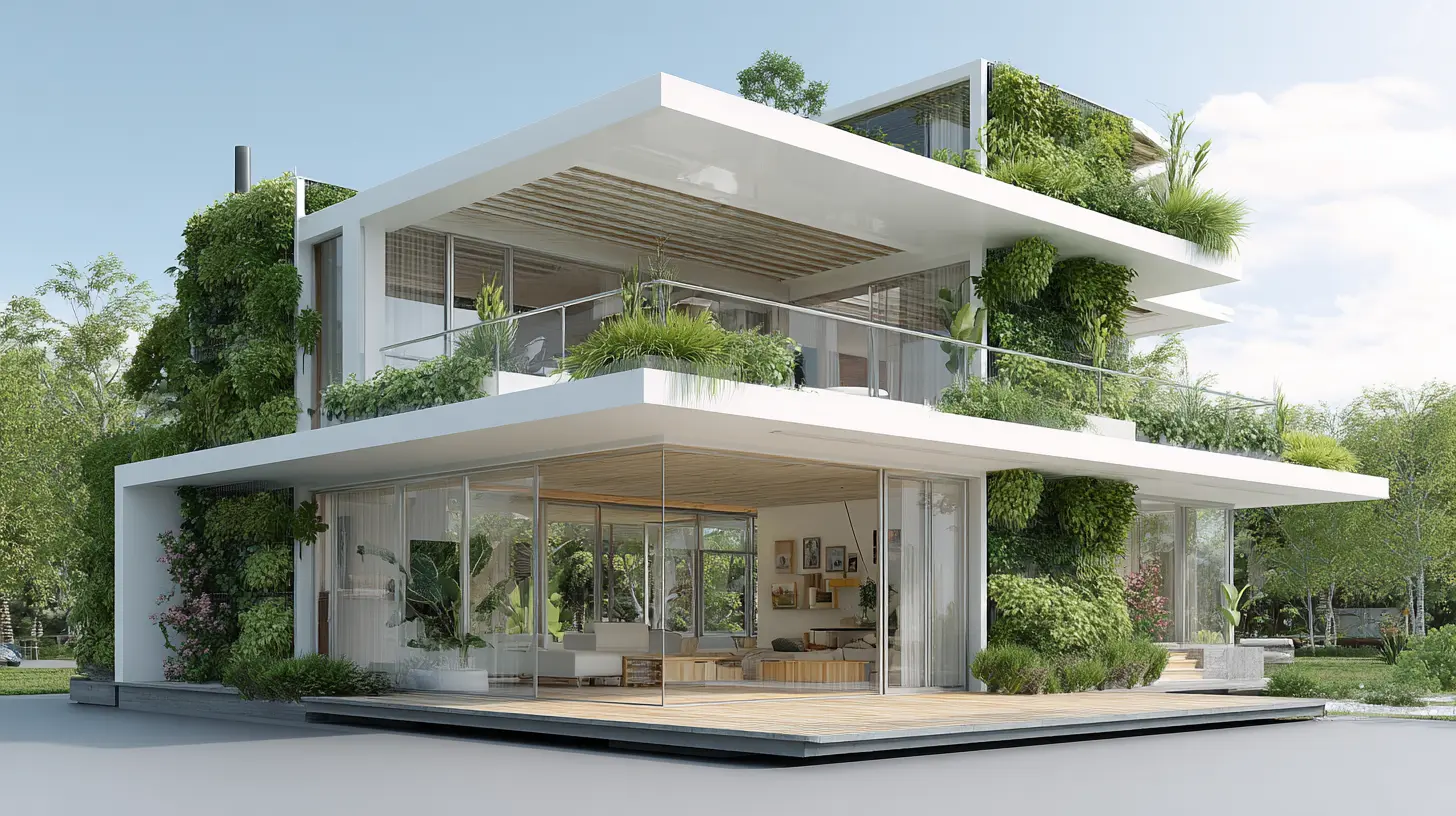
3. Passive Solar Design: Let the Sun Do the Work
You’ve probably heard of “passive houses,” but what does that actually mean? In simple terms, passive solar design uses the sun’s energy to heat and cool your home naturally. No complex machinery, no moving parts—just smart architecture.Here’s how it works: a house is oriented so that large windows face south (in the Northern Hemisphere). In the winter, the low-angle sun streams in and warms the interior. But in the summer, when the sun is higher, overhangs or eaves block the direct sunlight, keeping the house cool.
It’s like wearing a hat that keeps the sun out of your eyes while letting in the warmth. The result? Your heating and cooling systems work much less, which means lower energy bills and a more comfortable home.
Buyers in 2026 are going to love this because it’s low-tech and reliable. No software updates required. Just good old-fashioned design that works with nature, not against it.
4. Sustainable Materials That Tell a Story
Let’s talk about what your home is made of. In 2026, homebuyers aren’t just looking at aesthetics—they’re looking at the story behind the materials. Is the wood sourced from sustainable forests? Is the countertop made from recycled glass? Is the insulation free of toxic chemicals?Sustainable materials aren’t just better for the planet; they’re often healthier for you. For instance, bamboo flooring is not only renewable (it grows back in three to five years) but also durable and beautiful. Recycled steel roofing is incredibly long-lasting and can be recycled again at the end of its life.
Then there’s the rise of “green concrete” or low-carbon concrete, which uses alternative binders to reduce CO2 emissions. And let’s not forget about reclaimed wood, which adds character and history to any home. Every piece tells a story—like that old barn wood that now forms your accent wall.
Buyers love this because it makes the home feel unique and intentional. It’s not just a house; it’s a statement.
5. Water Efficiency: Every Drop Counts
Water is becoming a precious resource, and homebuyers in 2026 are paying attention. Features like low-flow fixtures, rainwater harvesting systems, and drought-tolerant landscaping are no longer optional—they’re expected.Low-flow toilets, for example, use as little as 1.28 gallons per flush compared to older models that used 3.5 gallons or more. That’s a huge difference over time. Similarly, low-flow showerheads and faucets can cut water usage by 30% to 50% without sacrificing pressure.
But the real game-changer is rainwater harvesting. Imagine collecting rainwater from your roof, storing it in a tank, and using it to water your garden or even flush your toilets. Some advanced systems even filter the water for indoor use. It’s like having your own private water supply.
And let’s not forget about xeriscaping—landscaping with native, drought-resistant plants. It’s beautiful, requires minimal water, and attracts local wildlife. For buyers in 2026, a lush green lawn that needs constant watering is so last decade.
6. Indoor Air Quality: Breathe Easy
Here’s something you might not think about: the air inside your home can be two to five times more polluted than outdoor air. That’s a scary thought, especially since we spend so much time indoors. In 2026, homebuyers will prioritize features that keep the air clean and healthy.What does that look like? First, there’s proper ventilation with energy recovery ventilators (ERVs). These systems bring in fresh air while exhausting stale air, but they capture the heat or coolness from the outgoing air to save energy. It’s like breathing through a straw that keeps your coffee hot.
Then there are low-VOC paints, adhesives, and finishes. VOCs (volatile organic compounds) are chemicals that off-gas from many building materials and can cause headaches, allergies, and even long-term health issues. Buyers are now asking for materials that are labeled “zero-VOC” or “low-VOC.”
And let’s not forget about natural air purifiers like houseplants. Some homes even incorporate living walls—vertical gardens that filter the air and add a stunning visual element. It’s like having a forest in your living room.
7. Electric Vehicle (EV) Readiness
By 2026, electric vehicles won’t be a niche trend—they’ll be mainstream. In fact, many automakers have already announced plans to phase out gas-powered cars. So, it’s no surprise that homebuyers want homes that are EV-ready.This means having a dedicated charging station in the garage or driveway. But it’s more than just plugging in a charger. A truly EV-ready home has a robust electrical panel that can handle the extra load, plus wiring that’s up to code.
Some forward-thinking builders are even installing bidirectional chargers, which allow your EV to power your home during an outage. Imagine your car acting as a giant battery for your house. That’s not just convenient—it’s a game-changer.
For buyers, this feature is like having a gas station in your own garage. No more waiting in line or worrying about range anxiety.
8. Biophilic Design: Bringing the Outdoors In
Here’s a concept that’s gaining serious traction: biophilic design. It’s a fancy term for designing spaces that connect humans with nature. And let’s be real—after years of staring at screens, we all crave that connection.Biophilic features include large windows that frame natural views, indoor gardens, natural materials like stone and wood, and even water features like small fountains. The idea is to create a space that feels alive and calming.
Why do buyers want this? Because it’s proven to reduce stress, improve mood, and boost creativity. Plus, it makes the home feel more spacious and luxurious. Think of it as a spa that you get to live in.
9. Energy Storage: Power When You Need It
Solar panels are great, but what happens when the sun goes down? That’s where energy storage comes in. Home battery systems—like Tesla’s Powerwall or LG’s RESU—store excess solar energy during the day so you can use it at night or during a power outage.In 2026, this will be a must-have feature. Why? Because grid reliability is becoming a concern. Extreme weather, aging infrastructure, and rising demand mean that blackouts are more common. A home with battery storage is like having a backup generator that runs silently and doesn’t use fossil fuels.
For buyers, it’s peace of mind. You’re not just saving money; you’re ensuring that your home stays powered when the grid goes down.
10. Multi-Generational Living Spaces
This one might surprise you, but it’s a huge trend for 2026. As housing costs rise and families become more connected, many buyers are looking for homes that can accommodate multiple generations. And sustainable design plays a role here too.Think about it: a home with a separate in-law suite or a flexible floor plan can reduce the need for additional housing. That means less land use, fewer resources, and a smaller carbon footprint. Features like separate entrances, kitchenettes, and soundproofing make it easy for everyone to live together comfortably.
For buyers, it’s about flexibility. Maybe you want to care for aging parents, or maybe you want to rent out a space for extra income. A sustainable home that adapts to your needs is a smart investment.
The Bottom Line: Why 2026 Will Be a Turning Point
Look, I get it—sustainability can feel overwhelming. There’s so much information out there, and it’s easy to think you have to do everything at once. But here’s the truth: even small sustainable features make a difference. And in 2026, the market will reward homes that prioritize efficiency, health, and resilience.Think of your dream home as a puzzle. Each sustainable feature—whether it’s solar panels, smart thermostats, or low-flow fixtures—is a piece that fits together to create something beautiful and functional. You don’t need all the pieces to start, but the more you have, the better the picture.
So, if you’re a homebuyer, start asking the right questions. Look for homes that are built to last, designed to save, and crafted with care. And if you’re a builder or seller, remember: the future is green. The homes that sell fastest will be the ones that help people live better, not just bigger.
Because at the end of the day, a home isn’t just a roof over your head. It’s a place where your values meet your lifestyle. And in 2026, those values will be sustainable.
all images in this post were generated using AI tools
Category:
Home DesignAuthor:

Basil Horne
Discussion
rate this article
2 comments
Jade McLaurin
As we look ahead to 2026, homebuyers will likely seek eco-friendly designs that blend style with functionality. From energy-efficient systems to sustainable materials, it's not just about trends-it's about creating spaces that are responsible and appealing. The future of housing is green and bright.
May 17, 2026 at 10:45 AM
Basil Horne
Absolutely agree! Eco-friendly designs are shaping the future of housing. Homebuyers will prioritize sustainability without sacrificing style.
Jackson Stewart
This article highlights essential sustainable home design features that will shape the market by 2026. Emphasizing energy efficiency, eco-friendly materials, and innovative technology, these trends not only appeal to environmentally conscious buyers but also promise long-term savings and comfort.
April 29, 2026 at 11:55 AM
Basil Horne
Thank you for your insights! It's exciting to see how these sustainable features will redefine home design and attract forward-thinking buyers.