Renovation Timelines: How Long Does It Really Take to Fix Up a Home?
28 June 2026
Renovating a home is an exciting yet daunting task. Whether you're flipping a house, updating your forever home, or preparing a property for rent, the timeline for renovations can feel like a moving target. Some projects take just a few weeks, while others drag on for months, leaving homeowners frustrated and financially stretched.
So, how long does it really take to fix up a home? Well, that depends on several factors: the scope of the renovation, contractor availability, material sourcing, and even unexpected surprises hidden behind the walls. Let’s break it all down so you can set realistic expectations for your next project. 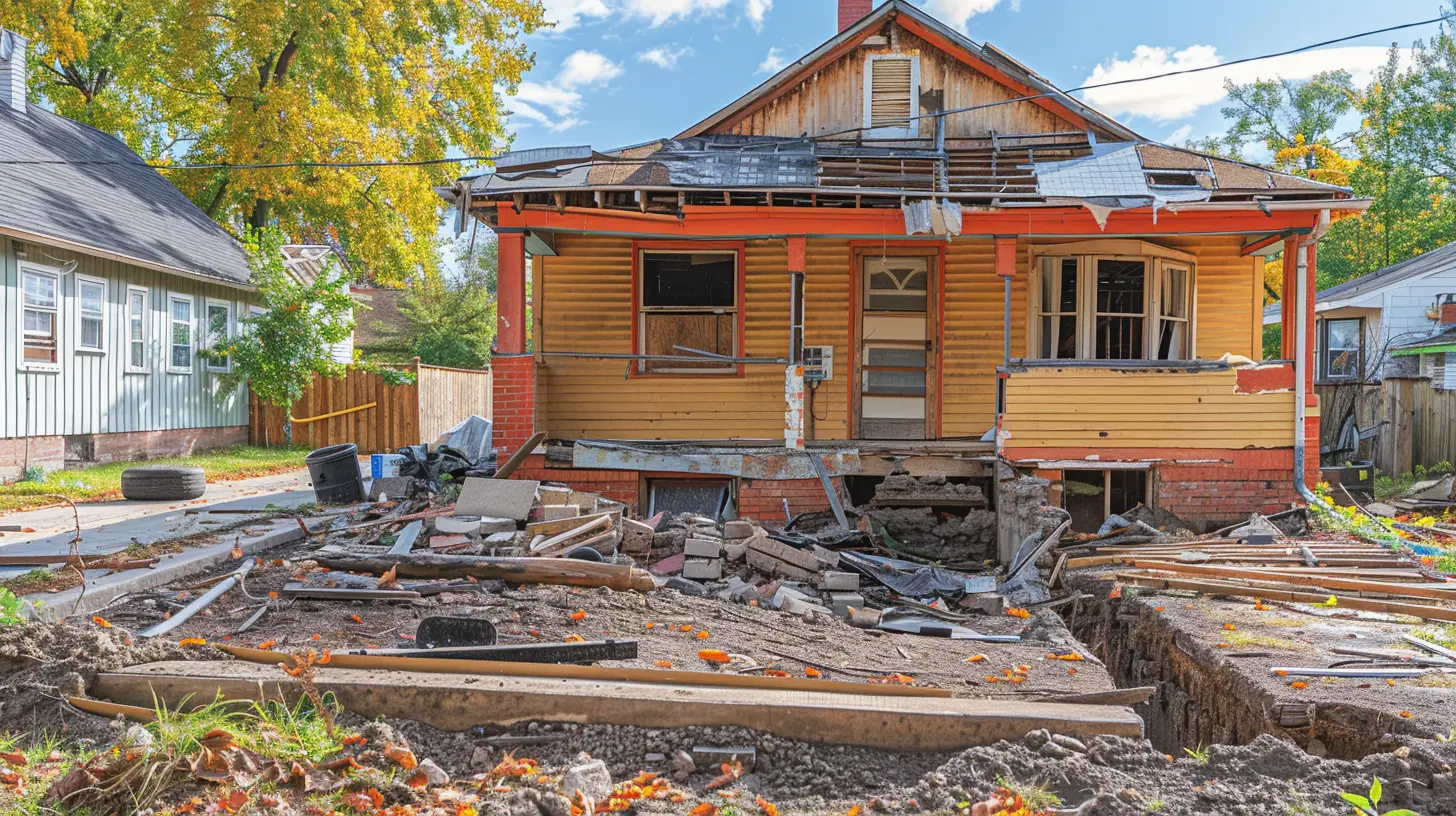
Factors That Affect Renovation Timelines
Before we dive into specific timelines, it's crucial to understand the variables that impact how long a renovation takes.1. The Scope of Your Project
Are you just repainting walls and swapping out light fixtures? Or are you tearing down walls, redoing plumbing, and replacing flooring? The bigger the project, the longer it will take.- Cosmetic updates (paint, light fixtures, hardware) = 1-2 weeks
- Moderate renovations (kitchen or bathroom remodels) = 4-12 weeks
- Major renovations (full home remodel, structural changes) = 3-12+ months
2. DIY vs. Hiring Professionals
If you're tackling smaller projects yourself, the timeline depends entirely on your skill level and availability. Professionals can often work faster—but good contractors are usually booked out for weeks or months.3. Permit Approvals and Inspections
Some renovations, like adding a new room or altering plumbing, require permits. Depending on your city, this process can add anywhere from a few weeks to several months to your timeline.4. Material Availability
Ordering materials like flooring, cabinetry, and custom countertops can take weeks. Supply chain delays? Even longer. If you’re waiting on backordered items, your project might hit a standstill.5. Unforeseen Issues
Ever heard the phrase “expect the unexpected?” That’s especially true in home renovations. Water damage, mold, outdated wiring—these hidden surprises can derail your timeline and budget.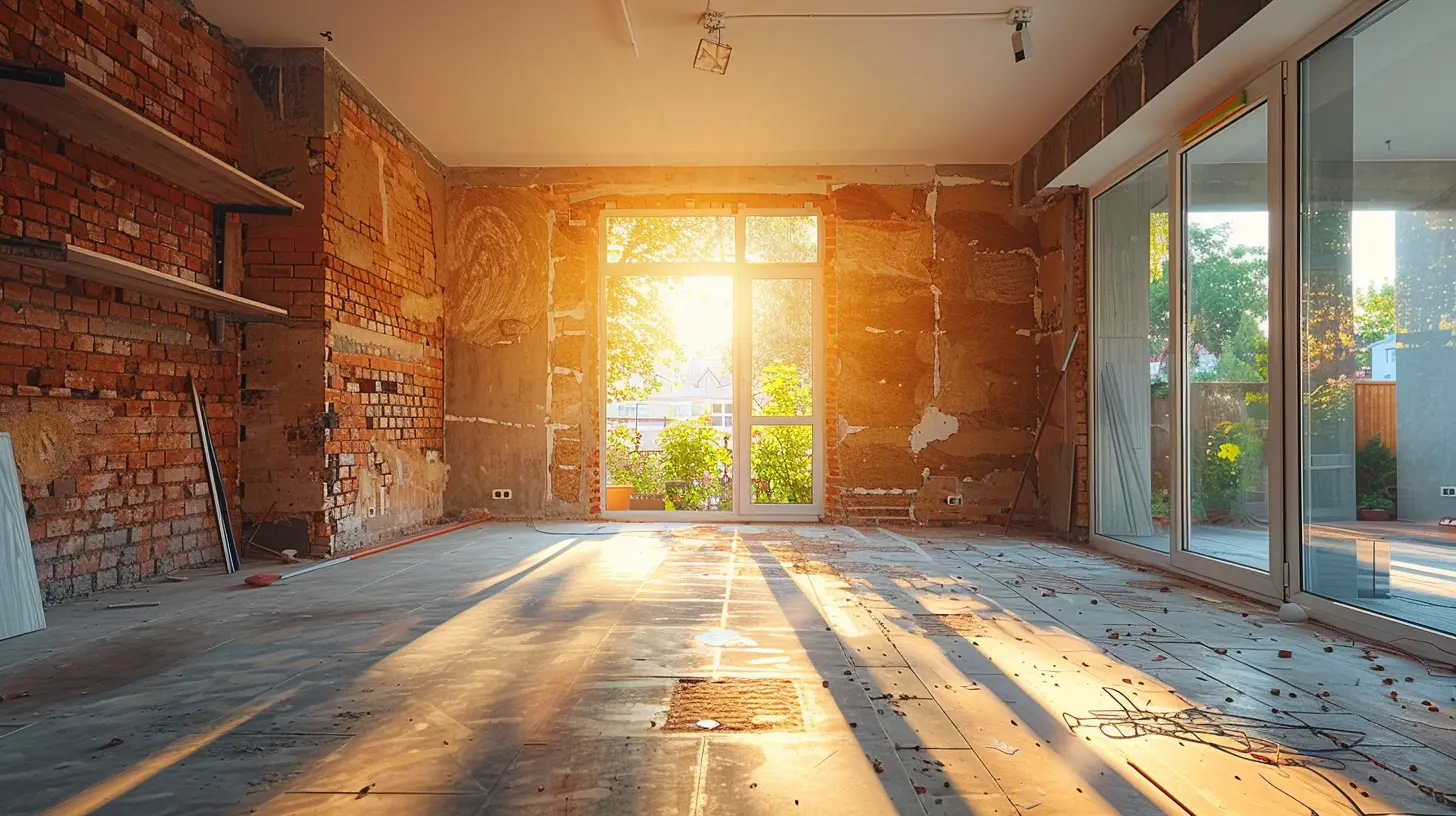
Estimated Timelines for Common Home Renovations
Now that we know the main factors affecting renovation timelines, let's break down some of the most common projects and their estimated durations.1. Painting (1-2 Weeks)
Painting is one of the quickest and easiest ways to refresh a home. If you're painting a few rooms, you might knock it out in a weekend. But for an entire house, expect it to take about 7-14 days, depending on drying times and the number of coats needed.2. Kitchen Remodel (6-12 Weeks)
A kitchen renovation is one of the most impactful (and expensive) home upgrades. Here’s how the timeline breaks down:- Demolition: 1-2 weeks
- Plumbing, electrical, and HVAC updates: 2-4 weeks
- Cabinet installation: 2-4 weeks
- Countertops & backsplash: 1-2 weeks
- Appliance installation & finishing touches: 1-2 weeks
3. Bathroom Remodel (4-8 Weeks)
Bathroom renovations involve plumbing, tiling, and fixture installations, which take time.- Demolition: 1-2 weeks
- Plumbing and electrical adjustments: 1-2 weeks
- Tile work & flooring: 2-3 weeks
- Vanity, toilet, and shower installation: 1-2 weeks
4. Flooring Replacement (1-4 Weeks)
The timeline depends on the type of flooring:- Hardwood refinishing: 3-5 days
- Luxury vinyl or laminate installation: 1-3 days per room
- Tile installation: 1-2 weeks (including drying time)
5. Adding a New Room (3-6 Months)
Expanding your home is a major renovation. The process includes:- Design and permit approvals: 1-2 months
- Foundation and framing: 2-4 weeks
- Plumbing, electrical, and insulation: 2-4 weeks
- Drywall, flooring, and finishing: 4-6 weeks
6. Whole Home Remodel (6-12+ Months)
If you're gutting and remodeling an entire house, be prepared for the long haul. Major renovations—especially those involving new layouts, plumbing updates, or structural changes—can stretch well over a year.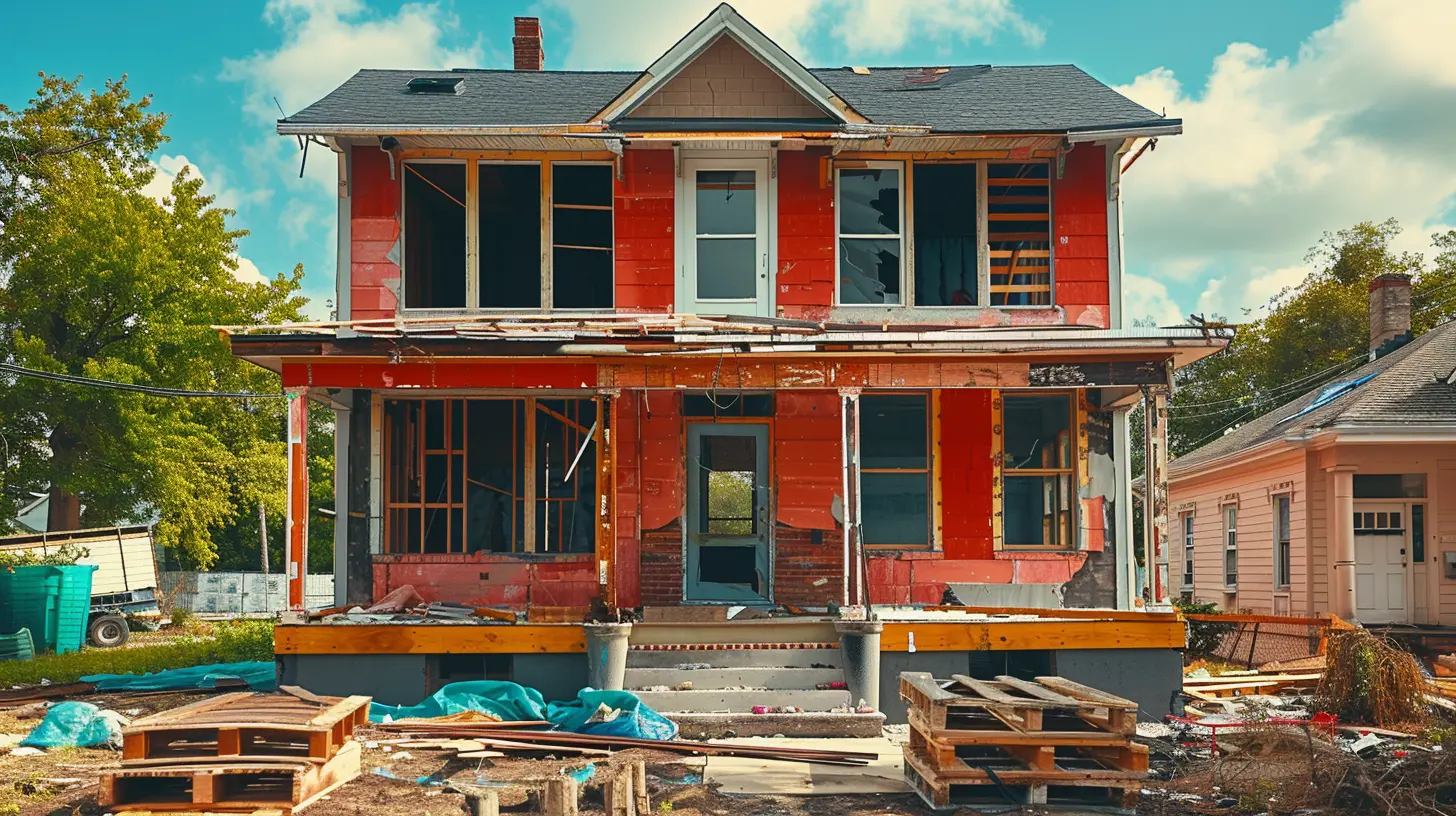
Tips to Keep Your Renovation on Track
No one wants their renovation to take longer than necessary. Here are some ways to speed things up:1. Plan Everything in Advance
Selecting finishes, ordering materials, and obtaining permits before the project starts can prevent delays.2. Hire the Right Team
A good contractor can make or break your timeline. Ask for recommendations, check reviews, and ensure they have experience with your type of project.3. Expect Delays (and Budget for Them)
Even the best-planned renovations hit roadblocks. Add at least 10-20% extra budget and some buffer time to cover unexpected hiccups.4. Avoid Last-Minute Changes
Changing your mind mid-project can cause major delays. Once work begins, stick to the plan as much as possible.5. Stay Organized
Use a renovation planner or project management app to track progress, payments, and deadlines.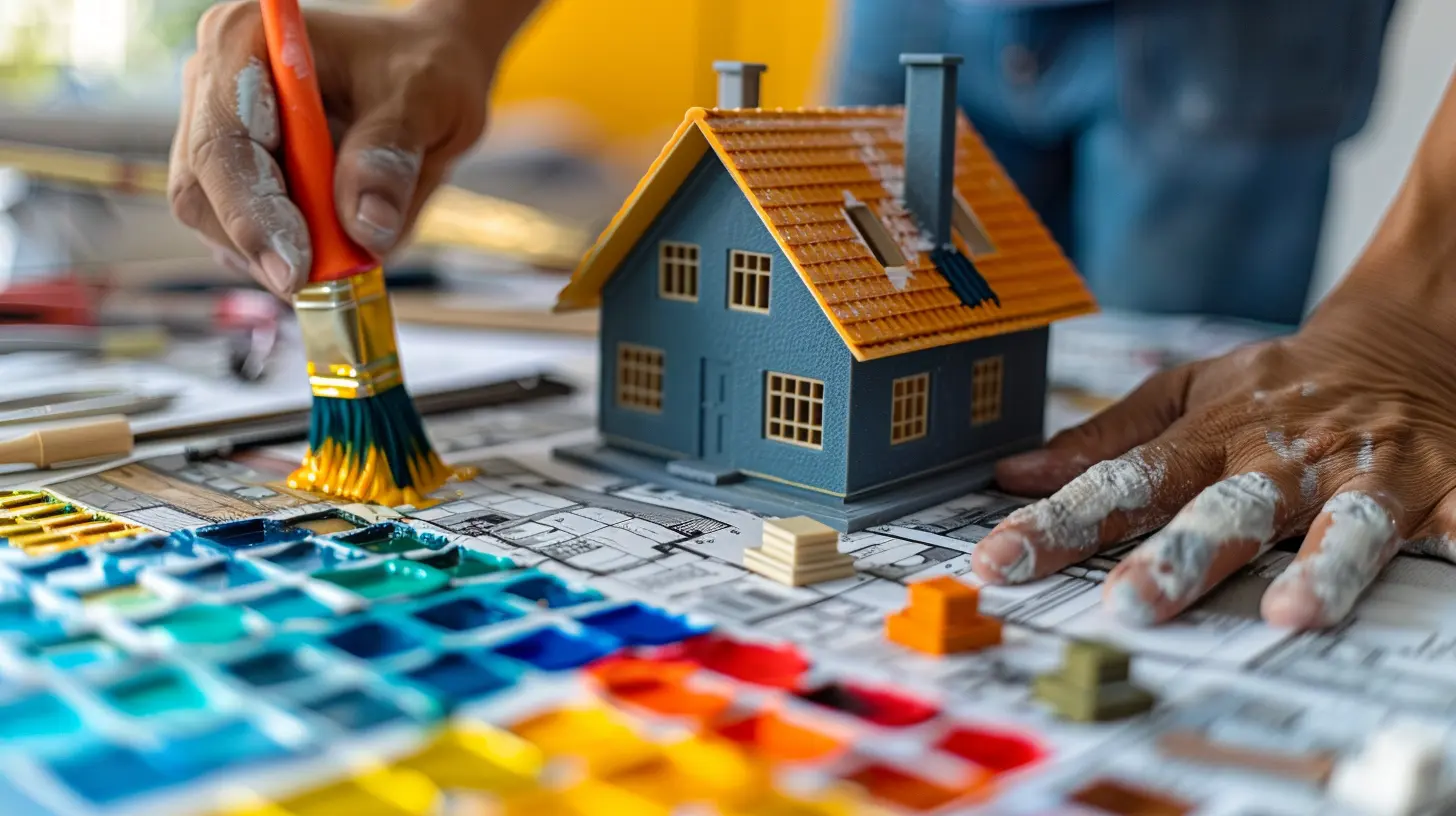
When Should You Start Your Renovation?
Timing your renovation right can reduce stress. Here are a few seasonal considerations:- Spring & Summer: Great for exterior projects, but contractors are busier (and prices may be higher).
- Fall: Good for indoor projects before the holiday rush.
- Winter: Slower season for contractors, which might mean better availability and pricing.
Final Thoughts
So, how long does it take to fix up a home? The answer: it depends. Minor cosmetic updates might take just a couple of weeks, while full-scale remodels can stretch well over a year. Planning carefully, hiring the right professionals, and preparing for unexpected delays can help keep your project on track.Whatever your renovation goals are, patience and preparation go a long way. And remember—once the dust settles, all the time and effort will be worth it when you’re enjoying your beautifully updated space!
all images in this post were generated using AI tools
Category:
Fixer UppersAuthor:

Basil Horne
Discussion
rate this article
1 comments
Runehart McAdoo
Timeframes can vary greatly; every home tells a story.
July 2, 2026 at 11:29 AM
Basil Horne
Absolutely, each home has unique needs that influence the timeline. It's all part of its story.