Real Estate Market Trends to Watch for in Investment Properties
16 January 2026
The real estate market is ever-changing, with new trends shaping the opportunities available for investors. Whether you're a seasoned investor or just dipping your toes into the world of real estate, staying ahead of these trends can be the key to making smart and profitable decisions. But what exactly should investors keep an eye on?
From shifting demographics to technological advancements, let's dive into the most critical real estate market trends that could impact investment properties in the coming years. 
1. The Rise of Suburban Investments
For years, big cities have been the prime hunting ground for real estate investors. But in recent times, the tides have turned. With more people seeking larger living spaces, better affordability, and improved quality of life, suburban areas have become hot real estate markets.Why Are Investors Flocking to the Suburbs?
- Remote Work Culture: The pandemic fundamentally changed how people work. Many companies now offer permanent remote or hybrid positions, allowing employees to live farther from urban centers.- Affordable Housing: Compared to major metropolitan areas, suburban properties often come with a much lower price tag, making them attractive to both buyers and renters.
- Quality of Life: Better schools, lower crime rates, and more green spaces make suburbs an appealing choice for families and young professionals alike.
If you’re looking for your next investment property, it might be time to shift focus from downtown high-rises to suburban single-family homes or small multi-unit buildings. 
2. The Short-Term Rental Boom
Airbnb, Vrbo, and other vacation rental platforms have revolutionized the rental landscape. With people prioritizing personalized stays over traditional hotels, short-term rentals have become a lucrative investment option.What Makes This Market So Attractive?
- Higher Rental Income: Short-term rentals can generate significantly higher returns compared to traditional long-term leases, especially in tourist-heavy areas.- Flexibility: Owners can choose when to rent their property and when to use it for personal reasons—something traditional leases don’t allow.
- Growing Demand for Unique Stays: Travelers are increasingly looking for unique experiences. Rentals that offer something distinctive (think cozy cabins, beachfront cottages, or urban lofts) tend to perform exceptionally well.
However, before jumping on the short-term rental trend, investors must be aware of local regulations. Many cities have imposed restrictions on Airbnb-style rentals, so doing due diligence is crucial. 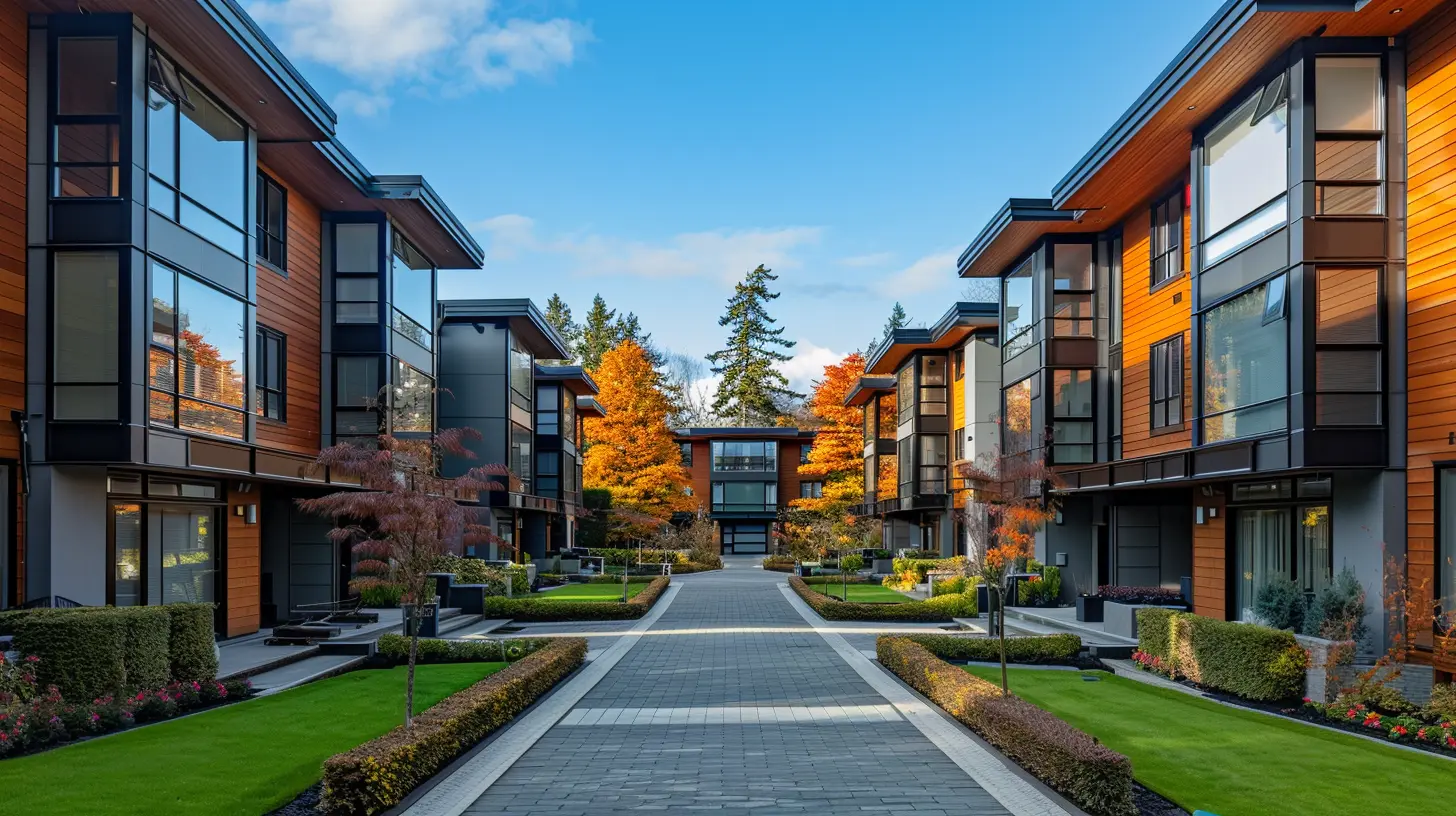
3. Technology’s Role in Real Estate Investment
The real estate game has gone digital. From AI-powered property analysis to blockchain-enabled transactions, technology is reshaping how investors identify, acquire, and manage properties.How Is Tech Changing the Investment Landscape?
- Big Data & AI: Investors can now use AI-driven tools to predict market trends, analyze rental yields, and even automate property management.- Virtual Reality (VR) Tours: Buyers and renters can view properties from the comfort of their homes, minimizing the need for in-person visits.
- Blockchain Transactions: The use of blockchain in real estate is streamlining property transactions by enhancing security and transparency.
If you're not leveraging technology in your investment strategy, you may be leaving money on the table. Smart investors embrace the latest tech trends to gain a competitive edge. 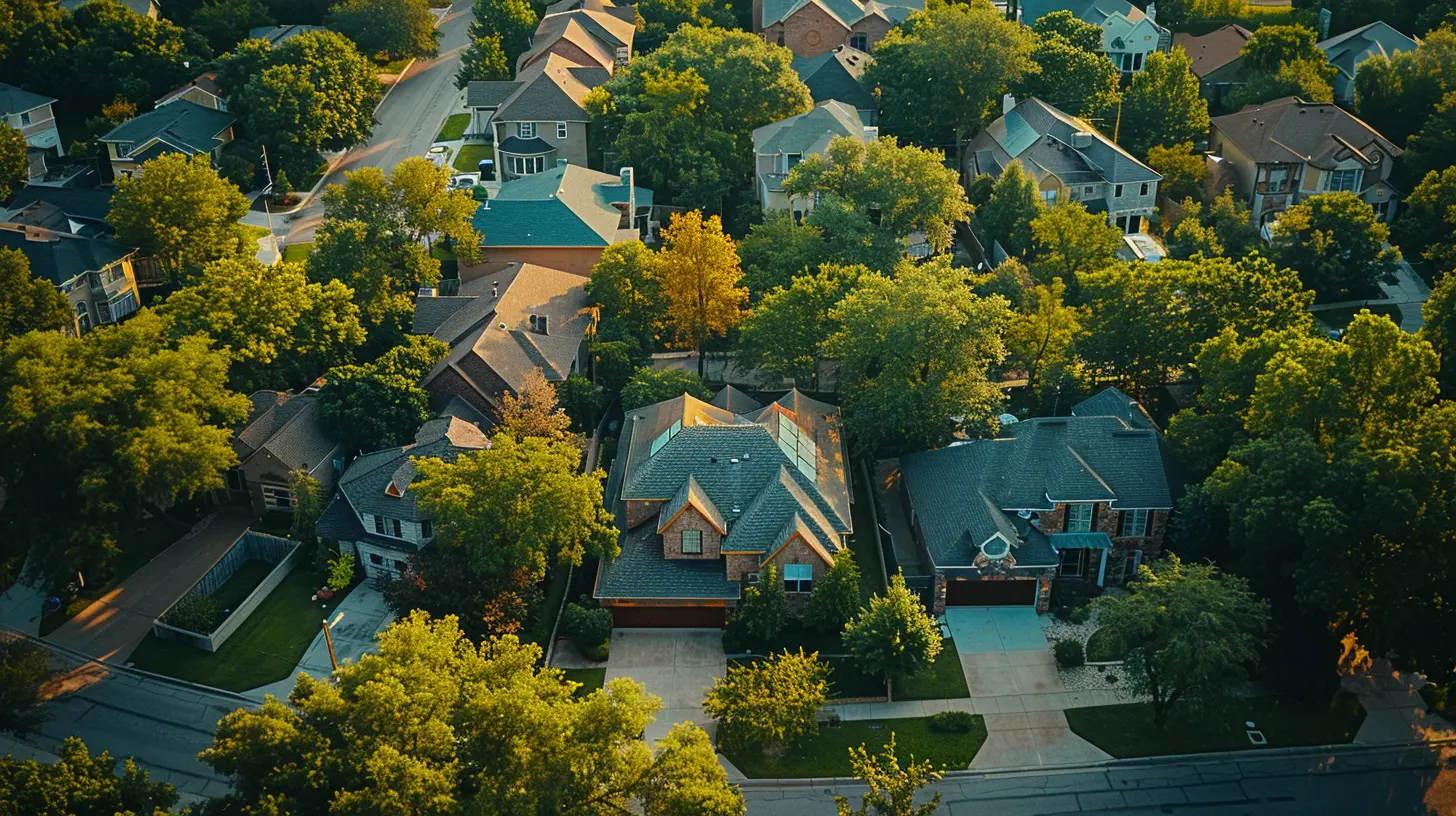
4. The Shift Towards Sustainable and Eco-Friendly Properties
Sustainability is no longer just a buzzword—it’s a major factor influencing buyer and renter preferences. Green buildings and energy-efficient homes are becoming increasingly desirable in the real estate market.Why Are Eco-Friendly Properties in High Demand?
- Cost Savings: Energy-efficient homes lower utility bills, making them attractive to both buyers and renters.- Government Incentives: Many governments offer tax breaks and subsidies for properties with sustainable features like solar panels or energy-efficient appliances.
- Environmental Awareness: With climate change concerns rising, more people are prioritizing eco-conscious living spaces.
For investors, this means considering properties equipped with smart thermostats, solar energy solutions, and sustainable materials. Not only do these upgrades appeal to environmentally conscious tenants, but they can also significantly boost property value.
5. The Demand for Multifamily Housing
Single-family homes have always been a popular choice for investors, but multifamily properties are gaining serious traction. With rising housing costs, more people are opting for shared living spaces, making multifamily investment a smart move.Why Are Multifamily Properties So Appealing?
- Steady Cash Flow: Multiple units mean multiple income streams, reducing the financial risk tied to vacancies.- High Demand from Renters: As home prices continue to rise, renting is the more affordable option for many individuals and families.
- Easier Financing Options: Lenders often consider multifamily properties a lower-risk investment due to their income-generating potential.
If you’re looking for long-term stability with consistent rental income, multifamily properties might be the way to go.
6. The Popularity of Build-to-Rent Communities
Build-to-rent (BTR) communities are changing the real estate landscape. These are residential developments designed specifically for renters rather than buyers.Why Is This Model Gaining Popularity?
- Renter’s Market Growth: Many Millennials and Gen Z individuals prefer renting over buying due to financial flexibility and lifestyle choices.- High-Quality Amenities: BTR properties often come with attractive features like fitness centers, co-working spaces, and communal areas.
- Consistent Demand: As homeownership becomes less attainable for many, the demand for quality rental properties continues to rise.
Investors are increasingly drawn to BTR communities as they offer stable, long-term rental income and lower tenant turnover rates.
7. The Rise of Co-Living Spaces
With the rising cost of living, a growing number of young professionals and students are turning to co-living spaces. Co-living is essentially shared housing, where residents have private bedrooms but share communal spaces like kitchens and lounges.Why Is Co-Living a Trend to Watch?
- Affordability: Co-living provides a cost-effective housing solution in high-rent cities.- Community Living Appeal: Many young professionals seek social interaction and networking opportunities, which co-living spaces naturally foster.
- Higher Returns for Investors: Since tenants pay for individual rooms rather than entire apartments, rental yields can be significantly higher.
For real estate investors, developing or acquiring properties suitable for co-living arrangements could be a game-changer in markets with high rental demand.
Final Thoughts
The real estate market is evolving, and with it, investment strategies must adapt. Whether it’s shifting towards suburban properties, embracing technology, or capitalizing on the short-term rental boom, investors who stay ahead of these trends will be best positioned for success.If you're considering diving into real estate investment—or expanding your portfolio—keeping an eye on these trends can help you make smarter, more profitable decisions. After all, in the world of real estate, knowledge isn’t just power—it’s profit.
all images in this post were generated using AI tools
Category:
Investment PropertiesAuthor:

Basil Horne
Discussion
rate this article
2 comments
Lincoln Jimenez
Great insights! Looking forward to market developments.
February 3, 2026 at 11:56 AM
Basil Horne
Thank you! I'm glad you found the insights valuable. Exciting times ahead in the market!
Parisa Valentine
Investing in real estate? Get your popcorn ready! These trends are like plot twists in a thrilling property drama!
January 16, 2026 at 4:18 AM
Basil Horne
Absolutely! The real estate market is full of surprises, and staying informed is key to navigating these twists. Grab your popcorn and let's dive in!