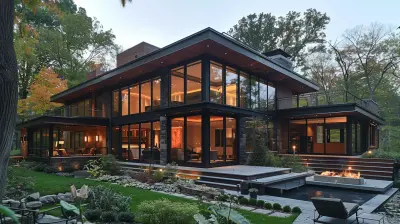
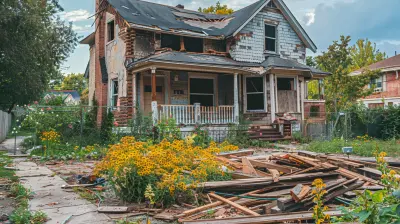
Open Floor Plans: Are They Still in Style for 2027?
30 April 2026
Remember that glorious, cavernous living room in every 2015 HGTV renovation? The one where the kitchen, dining, and living areas blurred into one massive, echoey space? For a decade, we were told that walls were the enemy—that knocking them down was the ultimate act of liberation. But here we are, standing at the threshold of 2027, and a quiet rebellion is brewing. The open floor plan, that darling of the modern minimalist movement, is facing an existential question: Is it still the king, or has it become a tired, noisy, and impractical throne?
Let’s be honest—open floor plans didn’t become popular by accident. They promised connection. You could sauté onions while your kids did homework at the island, or host a party where the conversation flowed like a lazy river. But as we barrel toward the late 2020s, a new set of priorities is reshaping the American home. We’re talking about a deep, cultural shift driven by the pandemic’s long tail, the rise of remote work, and a growing craving for coziness over vastness. So, grab a coffee (or a bourbon, no judgment), and let’s tear down this trend—metaphorically, of course—to see what’s holding it up.
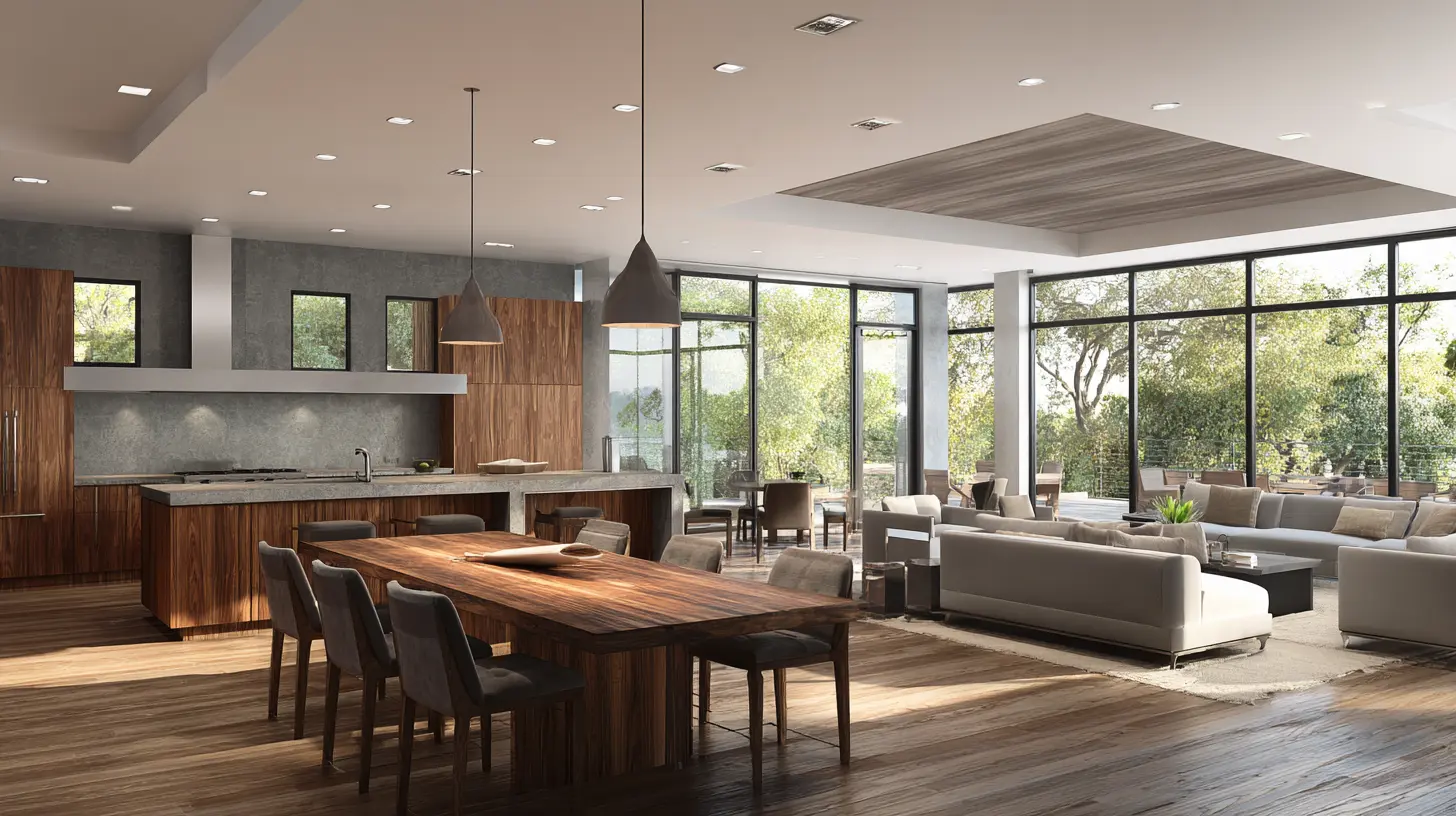
The Golden Age of the Great Room
To understand where we’re going, we have to look back. The open floor plan didn’t just appear overnight; it was a response to the cramped, compartmentalized homes of the mid-20th century. Think about your grandma’s house: a separate kitchen with a swinging door, a formal living room you weren’t allowed to touch, and a dining room that saw use only on Thanksgiving. That layout was a product of its time—a time when cooking was messy, roles were rigid, and family gatherings were formal affairs.Then came the 1990s and 2000s. We got addicted to the idea of “flow.” Architects and designers started arguing that walls were barriers to human connection. The open plan became a symbol of modernity, transparency, and casual living. By 2015, it was almost impossible to sell a new construction home without a massive, double-height great room that swallowed the entire ground floor. It felt like freedom. But here’s the thing about freedom: it often comes with a hidden cost.
The Unspoken Downsides of Total Openness
Let’s get real for a second. Living in a completely open space isn’t always the dream it’s cracked up to be. Have you ever tried to watch a movie while someone is blending a smoothie in the “kitchen” that’s ten feet away? Or tried to take a work call while your partner is watching the game? In an open floor plan, there is no escape. Sound travels like a gossip in a small town.Then there’s the issue of clutter. In a traditional home, you could shut the door on a messy kitchen. In an open plan, that pile of unwashed dishes becomes the centerpiece of your living room. Your home’s aesthetic is only as strong as its messiest corner. And let’s not forget the heating and cooling nightmare. Vast, open spaces are notoriously inefficient. You’re basically trying to heat or cool a airplane hangar. Your HVAC system works overtime, and your energy bill screams for mercy.
But the biggest elephant in the room? The lack of privacy. We are more connected than ever—digitally, socially, professionally. Paradoxically, that makes physical privacy more precious. After a day of Zoom calls and constant notifications, many of us don’t want to come home to a space where we can still see the kitchen sink from the couch. We want a nook. A corner. A door we can close.
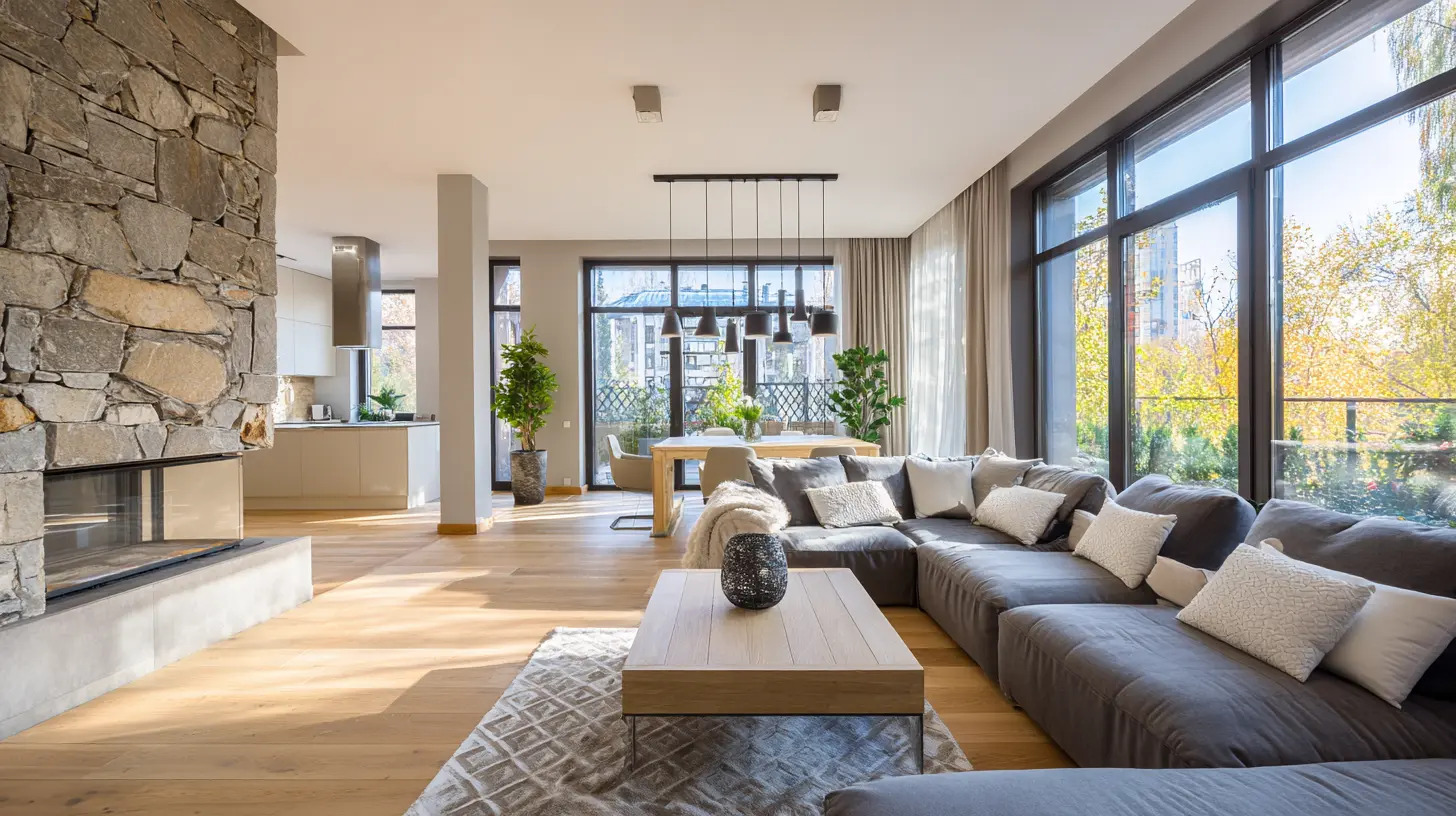
The Remote Work Revolution: The Death Blow?
If the pandemic taught us anything, it’s that a dining room table is a terrible office. When millions of Americans suddenly needed a quiet space to work, the open floor plan revealed its Achilles’ heel. You can’t concentrate on a spreadsheet when someone is watching The Great British Bake Off in the same room.As we approach 2027, remote and hybrid work isn’t going anywhere. According to recent trends, over 35% of the workforce still operates from home at least part-time. This has created a massive demand for dedicated rooms. Buyers aren’t just looking for a “flex space” anymore; they want a genuine fourth bedroom or a proper study with a door. The open floor plan, by its very nature, resists this need. It’s a party animal in a world that’s asking for a library.
The Rise of “Broken Plan” Living
So, if the open floor plan is dying, what’s taking its place? Enter the “broken plan” —a term that sounds like a design flaw but is actually a brilliant compromise. Think of it as an open floor plan that got some therapy. It keeps the visual connection between spaces but introduces subtle boundaries. Instead of one massive room, you have a series of interconnected zones separated by partial walls, half-height partitions, sliding barn doors, or even furniture.For example, a broken plan kitchen might have a low wall that hides the sink from the living room but still allows for conversation. A home office might be tucked behind a glass partition in the corner of the great room, offering visual sightlines but acoustic separation. This approach solves the sound and clutter problems without sacrificing that coveted sense of airiness.
It’s like the difference between a stadium concert (open plan) and a jazz club (broken plan). Both are social, but one allows you to hear yourself think.
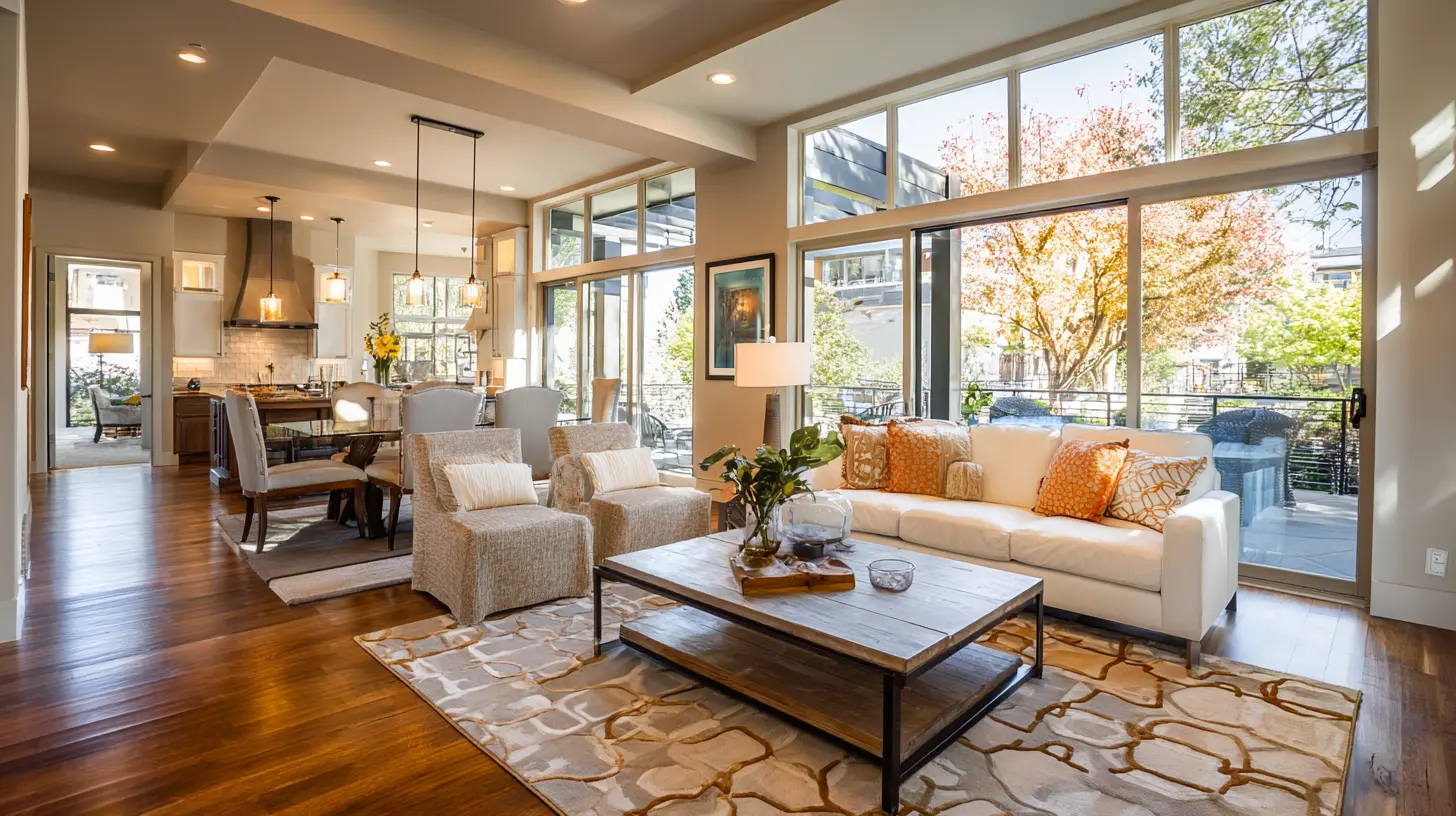
Why 2027 Will Be the Year of the “Purposeful” Room
Let’s talk about the psychology of space. For years, we were obsessed with square footage. Bigger was better. But as we enter the late 2020s, the conversation is shifting toward functionality. People are asking: “Does this room serve a clear purpose?”In 2027, the trend will be about intentionality. A home isn’t just a backdrop for your life; it’s a tool. We’re seeing a resurgence of the “mudroom” (not just a hallway, but a dedicated drop zone). We’re seeing “butler’s pantries” come back—not for servants, but for hiding your air fryer and coffee maker. We’re seeing a demand for quiet rooms—spaces with no screens, no distractions, just a chair and a window.
The open floor plan, in its purest form, doesn’t offer that. It’s a one-size-fits-all solution in a world that demands customization. A family with two kids working from home and a toddler needs different things than a retired couple. The open plan fails the test of flexibility.
The “Cocooning” Effect
There’s another cultural shift at play: cocooning. After years of global uncertainty, economic turbulence, and social upheaval, people are retreating inward. We want our homes to feel like sanctuaries, not train stations. The vast, echoing spaces of open plans can feel cold and intimidating. Smaller, cozier rooms feel safe. They feel like a hug.Think about the popularity of “hygge” and “wabi-sabi.” These aesthetics celebrate warmth, texture, and intimacy. An open floor plan with white walls and concrete floors is the antithesis of that. In 2027, the trend is toward layering—warm woods, soft lighting, and defined spaces that wrap around you like a blanket.
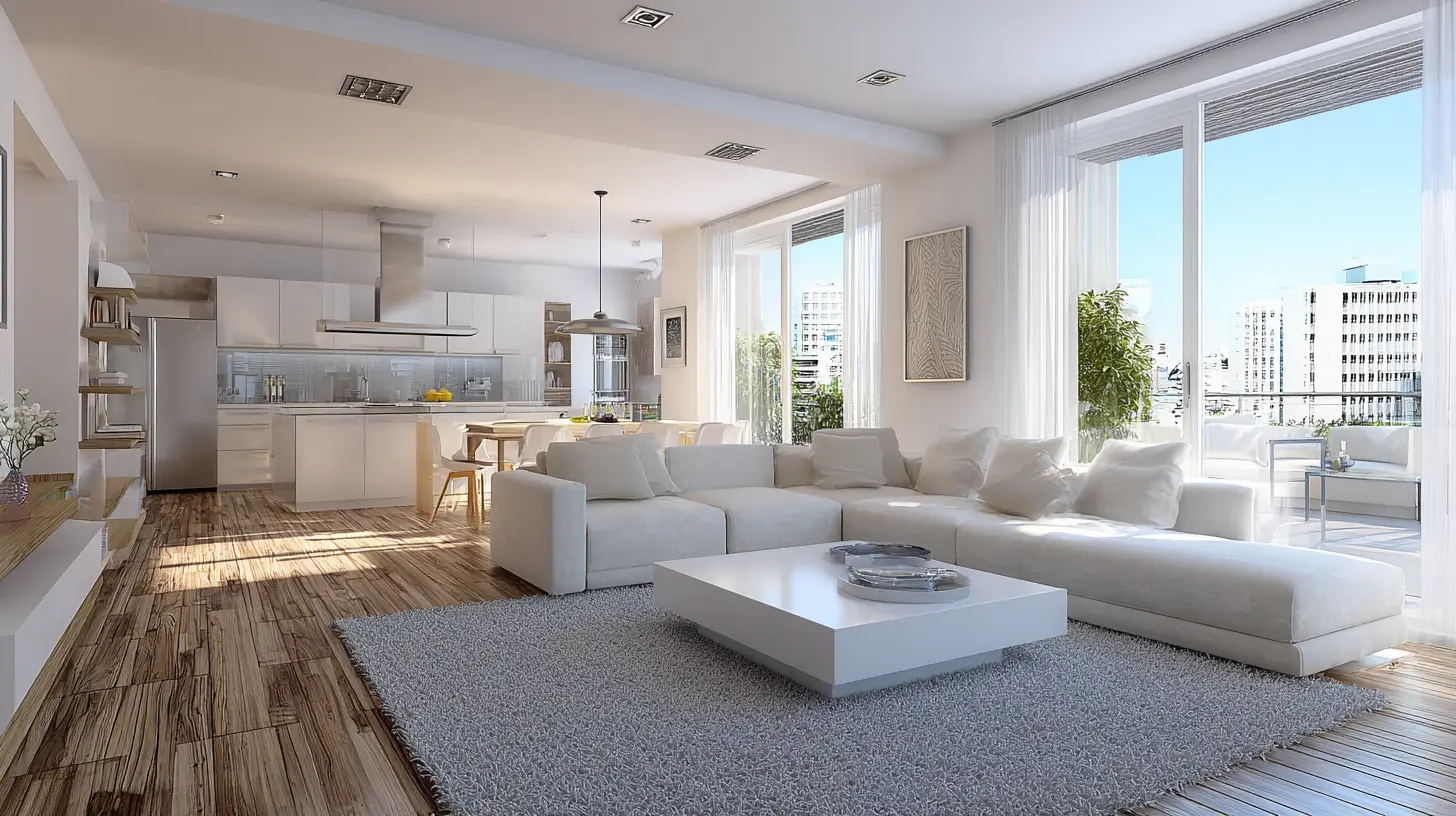
But Wait—Is the Open Floor Plan Completely Dead?
Hold your demolition hammers. I’m not here to bury the open floor plan entirely. For certain lifestyles, it still makes perfect sense. If you’re a single person or a couple without kids who loves to entertain, an open plan can be magical. It’s also ideal for small apartments where every square inch needs to pull double duty.However, even in these cases, the execution is changing. In 2027, you won’t see a single, undivided 800-square-foot room. You’ll see zoned openness. For example:
- A kitchen island that doubles as a room divider.
- A living area with a dropped ceiling or different flooring to define the space.
- Sliding pocket doors that can close off a home office when needed.
The key word is flexibility. The homes of 2027 will be designed to adapt. They’ll have open spaces that can become closed, and closed spaces that can open up. It’s about choice, not dogma.
What the Data Says
Let’s look at some real numbers. According to the National Association of Home Builders (NAHB), demand for “formal living rooms” has actually increased by 8% since 2020. Meanwhile, searches for “open floor plan” on real estate sites have plateaued. Real estate agents in major markets like Austin, Denver, and Nashville are reporting that buyers are asking for “defined spaces” more than ever before.One agent in Portland told me, “Two years ago, everyone wanted to knock down walls. Now, they’re asking me where they can add them.” That’s a seismic shift.
How to Adapt Your Home for 2027
So, what does this mean for you? Whether you’re building, buying, or renovating, here’s my advice for navigating the 2027 landscape.1. Don’t Tear Down Walls—Add Them (Strategically)
If you have an existing open floor plan, you don’t need to build a fortress. Consider adding a partial wall or a room divider. A bookshelf on casters can separate a living area from a home office. A glass partition can block sound without blocking light. The goal is to create “visual separation” without killing the flow.2. Prioritize Acoustics
This is the silent killer of open plans. If you keep an open layout, invest in sound-absorbing materials. Think area rugs, acoustic panels, heavy curtains, and upholstered furniture. You can even install a drop ceiling in part of the room to dampen noise. Your ears will thank you.3. Embrace the “Zoned” Kitchen
The kitchen island is still iconic, but in 2027, it’s getting a makeover. Consider a split-level island—one side for prep, the other for eating. Or add a back kitchen (also called a “dirty kitchen”) hidden behind a pocket door. This allows you to cook noisy, messy meals without disturbing the living room.4. Create a “Sanctuary” Room
Every home needs at least one room that is completely closed off. It could be a den, a library, a meditation room, or even a small home theater. This room is your escape pod. It’s where you go when you need silence, focus, or just a break from the beautiful chaos of an open plan.
The Verdict: Evolution, Not Extinction
So, are open floor plans still in style for 2027? The honest answer is: It’s complicated. The pure, undivided, warehouse-style open plan is fading. It’s like bell-bottom jeans—cool in their day, but now they look a bit dated. However, the spirit of openness—the desire for light, connection, and flow—isn’t going anywhere.What’s replacing it is something smarter. A hybrid. A broken plan. A home that knows when to be open and when to be closed. It’s like a good friend: there when you need them, but respectful of your boundaries.
In 2027, the best homes won’t be the ones with the biggest rooms. They’ll be the ones with the most useful rooms. They’ll be spaces that adapt to your life, rather than forcing your life to adapt to them. So, if you’re planning a renovation, don’t just grab a sledgehammer. Think about how you actually live. Do you need a quiet corner? A place to hide the mess? A room that feels like a hug?
If you answered yes to any of those, maybe it’s time to put a wall back up. Or at least, a very stylish bookcase.
all images in this post were generated using AI tools
Category:
Home DesignAuthor:

Basil Horne
Discussion
rate this article
2 comments
Samuel Hughes
Open floor plans offer flexibility, but personal preference always matters.
May 19, 2026 at 4:10 AM
Basil Horne
Absolutely, personal preference plays a huge role. While open floor plans have their perks, the best choice really depends on what each individual values in their space.
Pierce Brown
Open floor plans have evolved but remain popular as we head into 2027. They foster a sense of community and flexibility, appealing to modern lifestyles. However, a growing desire for defined spaces may shift trends. It's essential for homeowners to consider their personal needs when choosing their layout.
May 3, 2026 at 11:08 AM
Basil Horne
Great point! Open floor plans do encourage community, but it's true that many are leaning towards defined spaces for more privacy. Homeowners should prioritize what fits their lifestyle best.