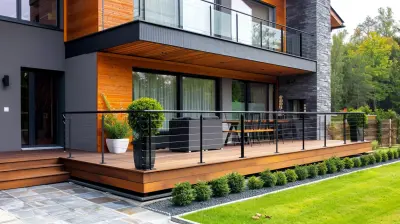
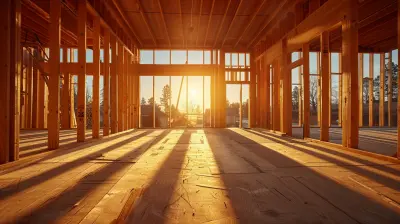
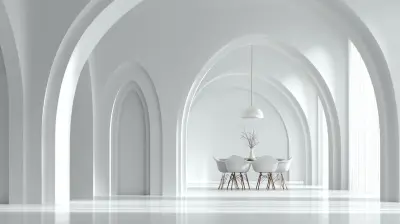
Modern Farmhouse Ideas That Will Still Be Stylish in 2027
26 April 2026
You know that feeling when you scroll through Pinterest, see a stunning farmhouse kitchen, and think, “Will this look dated in three years?” Yeah, me too. The modern farmhouse trend has been riding a massive wave for nearly a decade, and if you’re anything like me, you want your home to feel timeless—not like a time capsule from 2023. So, let’s cut through the noise. I’m here to share the modern farmhouse ideas that aren’t just trendy right now—they’re built to last into 2027 and beyond. Think of this as your cheat sheet for a home that feels warm, fresh, and effortlessly cool, without screaming “I followed a blog.”
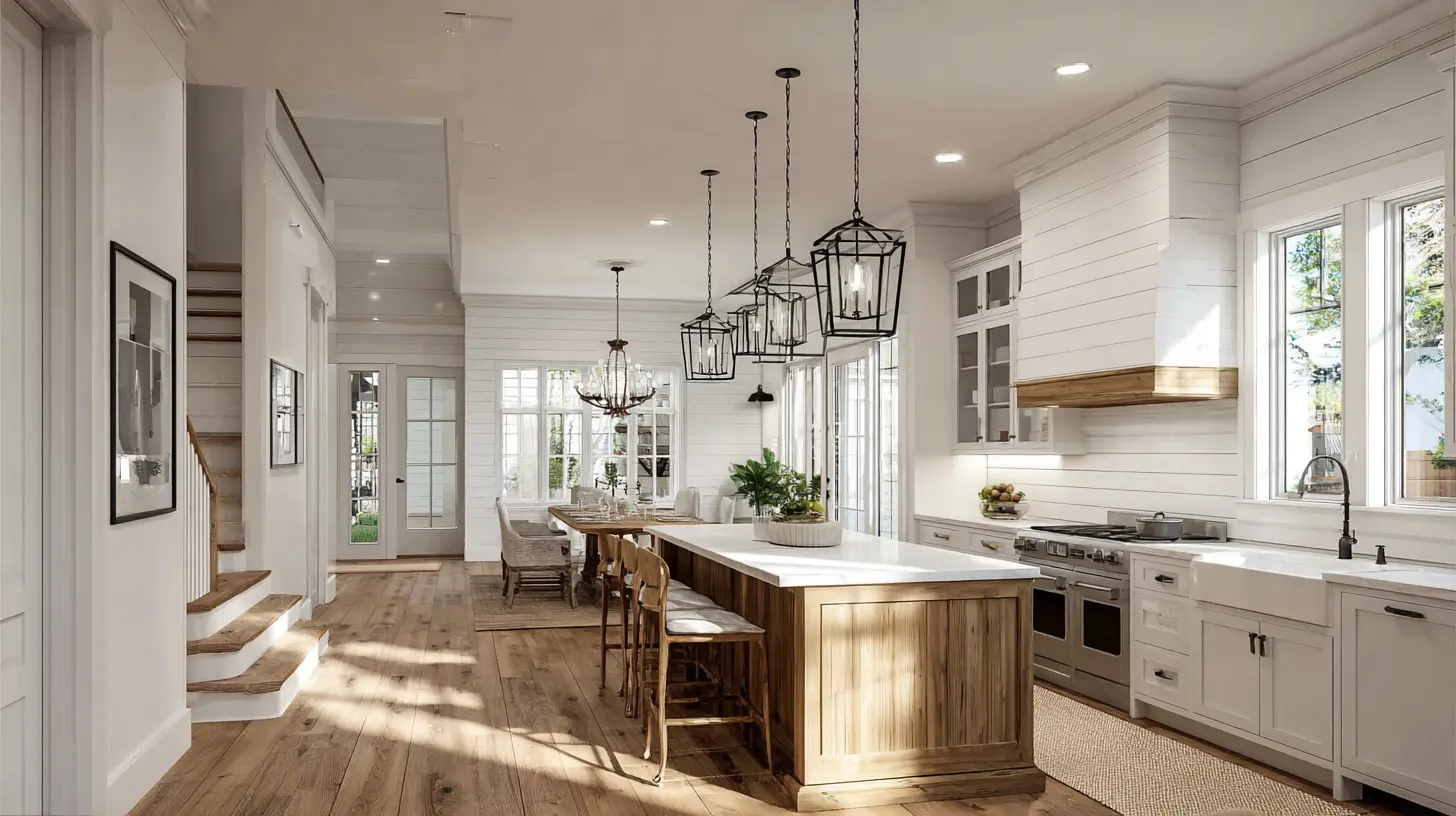
Why the Modern Farmhouse Isn’t Going Anywhere (But It’s Evolving)
First, let’s get real. The farmhouse style has roots that run deep—like, 19th-century deep. It’s not a fad; it’s a lifestyle. But the “modern” part? That’s where the magic happens. In 2024 and beyond, we’re ditching the overdone “shiplap-everywhere” look and leaning into something more refined. Think less Joanna Gaines copycat, more architectural elegance. The key to making your farmhouse last until 2027 is to focus on quality over quantity, natural materials, and quiet luxury. We’re talking about spaces that feel lived-in, not staged. So, grab a coffee (or a glass of wine), and let’s dive into the ideas that will keep your home stylish for years to come.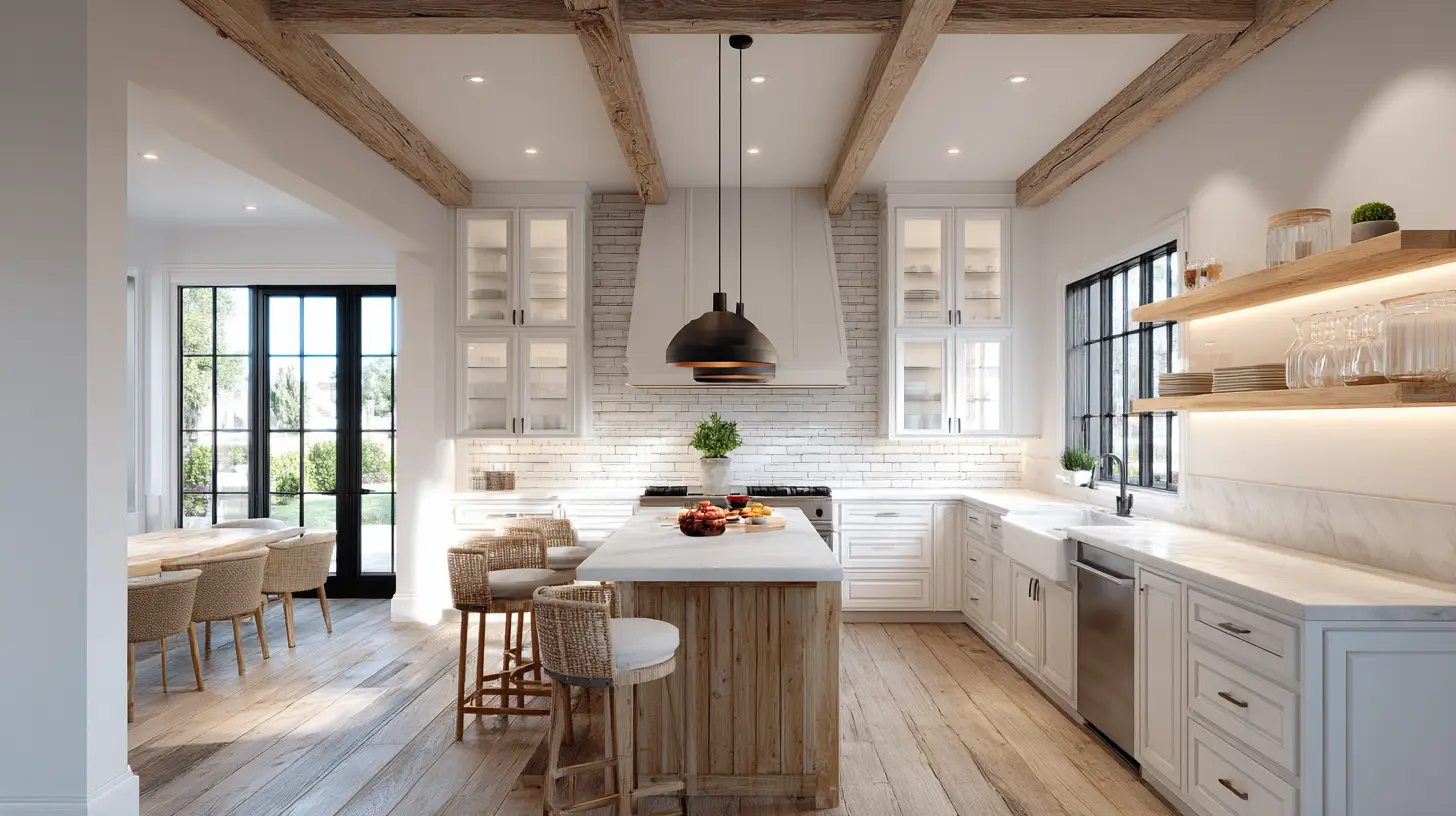
1. The Great Shiplap Pivot: From Walls to Accents
Remember when shiplap was the unofficial wallpaper of the farmhouse world? I’ll admit, I loved it too. But by 2027, covering every vertical surface in white planks will feel like wearing bell-bottoms to a job interview—nostalgic but not exactly forward-thinking. Instead, let’s pivot to strategic shiplap. Use it sparingly, like a spice. Think a single accent wall in a mudroom, a ceiling in a cozy reading nook, or the inside of a built-in bookcase. The trick is to pair it with smooth drywall or textured plaster on other walls. This creates contrast and visual breathing room. For a modern twist, try shiplap painted in a deep, moody color—like charcoal, sage green, or even a rich navy. It’s unexpected, sophisticated, and won’t look tired in three years.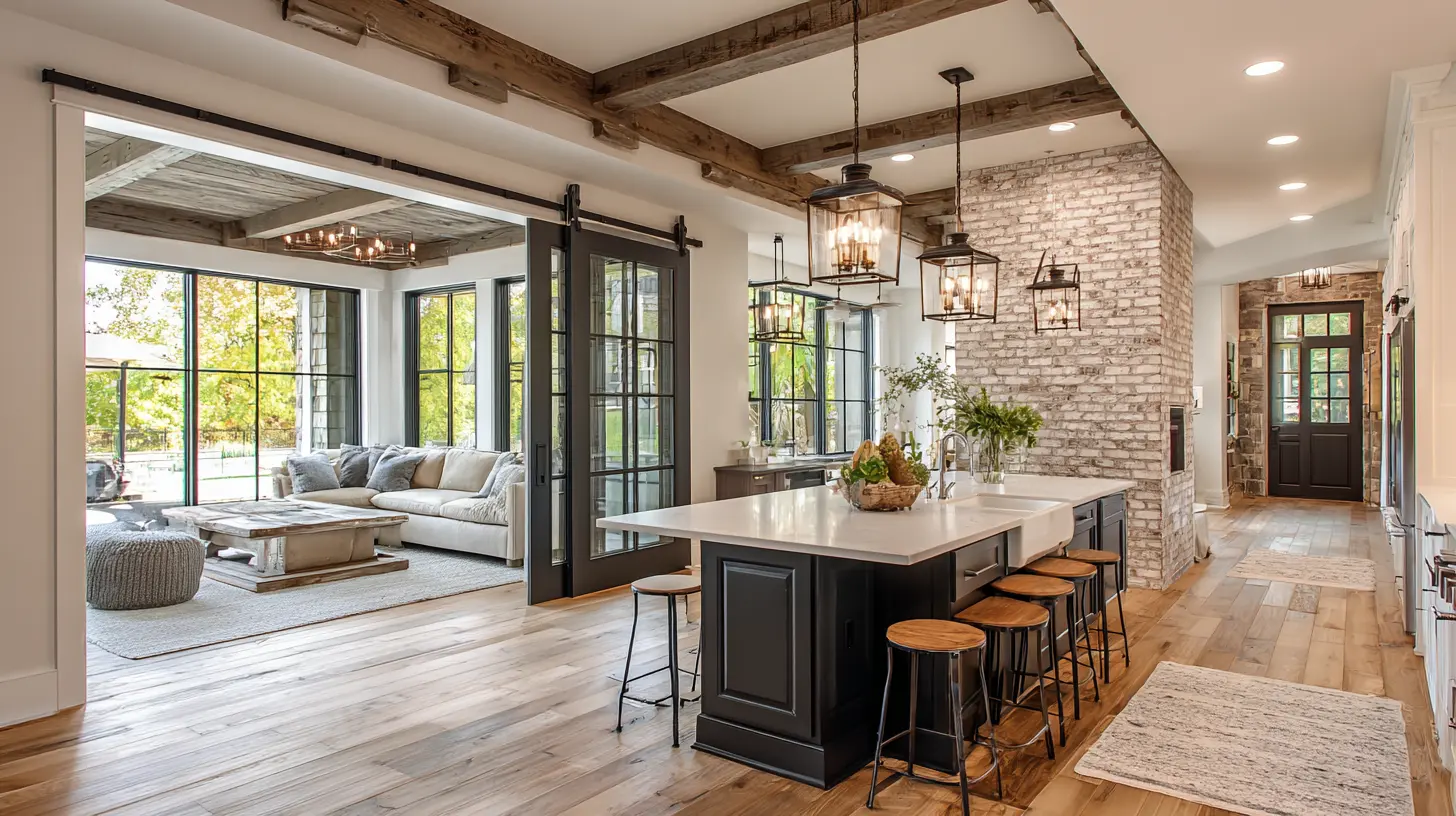
2. Embrace the “Warm Minimalism” Vibe
If I had to pick one trend that will dominate 2027, it’s warm minimalism. Think of it as the farmhouse style’s sophisticated cousin. It’s about stripping away clutter but keeping the soul. Instead of a hundred knick-knacks on your mantle, choose three meaningful pieces: a chunky ceramic vase, a stack of vintage books, and a single dried branch. The farmhouse DNA lives in the textures—like a linen sofa, a wool throw, or a reclaimed wood coffee table. The key? Less is more, but what’s there must feel intentional. A room that breathes is a room that ages gracefully. And honestly, who wants to dust a million trinkets anyway?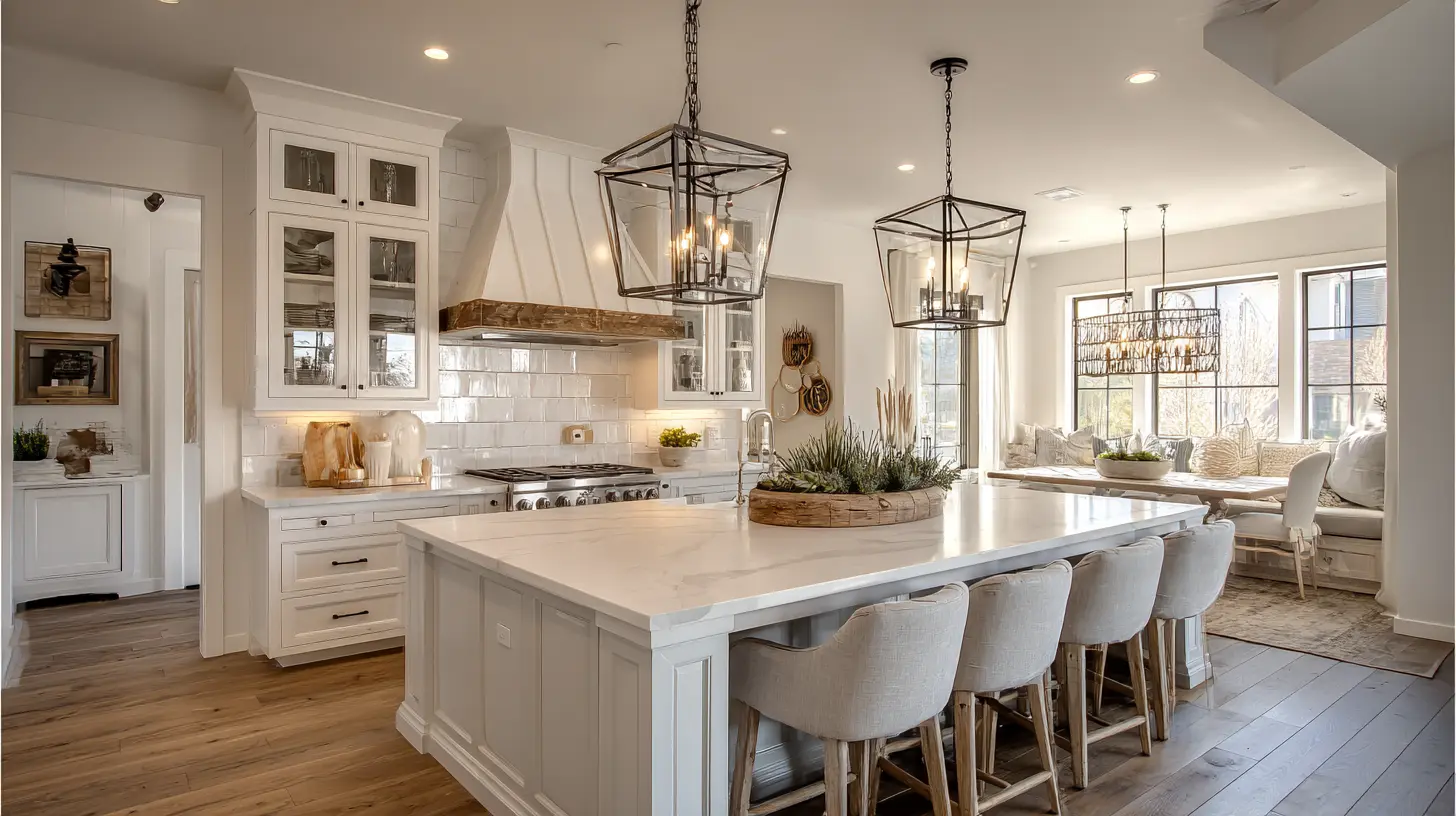
3. The “Black Window” Revolution (That’s Here to Stay)
You’ve seen them—those sleek, black-framed windows that look like they belong in a modern barn. Good news: they’re not going anywhere. In fact, they’re becoming the signature of the modern farmhouse. But here’s the 2027 upgrade: go for steel or aluminum frames instead of vinyl. They’re slimmer, stronger, and age like fine leather. The contrast between black frames and white walls (or even brick) creates a graphic, architectural look that feels both rustic and contemporary. Plus, they let in massive amounts of light, making your space feel bigger and airier. If you’re building or renovating, splurge on these. They’re the investment that pays off in style points for a decade.4. Natural Stone Countertops: Say Goodbye to Quartz Overload
Quartz has had a great run—it’s durable, low-maintenance, and comes in a million colors. But by 2027, the farmhouse world is craving imperfection. Enter natural stone: marble, soapstone, limestone, and even granite (yes, granite is making a quiet comeback, but with a matte finish). The beauty of natural stone is its character—veins, pits, and subtle color variations that no two slabs share. A marble countertop with a honed (matte) finish feels soft, organic, and utterly timeless. Yes, it needs a little more care (seal it annually, don’t cut lemons directly on it), but the payoff is a kitchen that feels like it’s been there for a hundred years. For a budget-friendly option, try a butcher block island paired with stone perimeter counters. It’s the ultimate farmhouse combo.
5. The Rise of the “Modern Barn Door” (Not the Sliding One)
Okay, let’s have a honest moment. The classic sliding barn door—with its metal hardware and big wooden slab—has become a cliché. By 2027, we’re evolving it. Think pivot doors, folding partitions, or pocket doors that disappear into the wall. These options are sleeker and more space-efficient. If you love the barn door look, update it: choose a door with vertical slats (instead of solid wood) painted in a dark tone, or use a glass-paneled door to let light flow between rooms. The hardware should be matte black or brushed brass—nothing too shiny. It’s about the idea of a barn door, not the literal replica.6. Layered Lighting: Ditch the Single Overhead Fixture
Nothing kills a farmhouse vibe faster than a single, harsh ceiling light. In 2027, lighting is about layers and warmth. Think of it like building a fire: you need kindling (ambient light), logs (task light), and a spark (accent light). For a modern farmhouse, start with a statement chandelier in the entryway or dining room—something in wrought iron or aged brass with simple, clean lines. Then add wall sconces in hallways and bathrooms (they’re like jewelry for your walls). Finally, use floor lamps and table lamps with linen shades to create cozy pools of light. The trick? Use warm bulbs (2700K-3000K) to avoid that sterile, blue-white glow. Your home will feel like a hug at dusk.
7. The “Unexpected” Pop of Color: Go Earthy, Not Pastel
The days of all-white farmhouses are fading—thankfully. White is still a great base, but by 2027, we’re injecting earthy, grounded colors that feel like they came from the soil. Think terracotta, deep olive, burnt sienna, and muted ochre. These colors work because they mimic nature: a clay pot, a dried leaf, a sunset. Use them on a single accent wall, on kitchen cabinets (lower cabinets only), or on a front door. For example, a kitchen island painted in a rich, dark green (like Benjamin Moore’s “Hunter Green”) paired with white perimeter cabinets feels fresh, modern, and deeply farmhouse. Stay away from pastel blues and pinks—they’ll look dated by 2026.8. Open Shelving: But Make It Intentional
Open shelving is a farmhouse staple, but it can backfire if you’re not careful. A shelf full of mismatched mugs and dusty bowls screams “I gave up.” For 2027, curate your open shelves like a gallery. Keep only items that are both beautiful and functional: a few handmade ceramic plates, a stack of linen napkins, a single cookbook, and a small plant. Use brackets that are visible and decorative—like black iron or brass—to add character. And here’s the secret: limit open shelving to one area, like above the sink or a coffee station. The rest of your cabinets should have doors. It’s about balance, not a full display.
9. The Return of the “Mudroom” (But Smarter)
The mudroom is the unsung hero of the farmhouse. By 2027, it’s not just a place to kick off boots—it’s a command center. Think built-in cubbies with individual baskets for each family member, a bench with hidden storage underneath, and hooks at two heights (adults and kids). Add a dog-washing station if you can, or at least a low sink for muddy paws. The materials should be tough: tile floors (hexagon or herringbone pattern), painted wood, and metal hardware. A well-designed mudroom is the difference between chaos and calm. It’s the first thing you see when you come home, so make it work hard.10. Smart Tech That Doesn’t Scream “Tech”
Here’s a truth bomb: by 2027, every home will have smart tech, but the best farmhouses will hide it in plain sight. Imagine a thermostat that looks like a vintage dial but works with your phone. Or a kitchen faucet with a touch sensor that blends into the brushed nickel finish. Smart blinds that look like Roman shades. The key is integration without intrusion. Don’t put a giant black screen on your farmhouse mantle. Instead, use a frame TV that displays art when it’s off. Install smart plugs behind furniture. The goal is to have the convenience of technology without the visual clutter. Your farmhouse should feel like a retreat, not a control room.
11. The “Live-Edge” Element: Wood That Tells a Story
Wood is the soul of a farmhouse, but by 2027, we’re moving beyond reclaimed barn wood (which is getting harder to source) to live-edge slabs. A live-edge dining table, a floating shelf, or a headboard made from a single slab of walnut or oak brings raw, organic energy to a room. The beauty is in the natural edge—the bark, the curves, the knots. Pair it with sleek, modern legs (metal or hairpin) to create that tension between rustic and refined. It’s like wearing a leather jacket with a silk dress—unexpected and perfect.12. The “Grand Millennial” Touch: Vintage Finds with a Twist
Here’s a fun one: the modern farmhouse is borrowing from grandmillennial style—think your grandmother’s house, but cooler. This means incorporating vintage or antique pieces that have patina and history. A worn Persian rug, a set of brass candlesticks, a floral-print armchair (but in muted, earthy tones). The trick is to mix old with new: a vintage sideboard next to a minimalist sofa, or a chintz pillow on a linen couch. It breaks up the monotony and adds layers of interest. Plus, vintage is sustainable—and that’s a trend that never dies.
13. The “Indoor-Outdoor” Flow: Bring the Barn Outside
The best farmhouses blur the line between inside and out. By 2027, this means large sliding glass doors (not barn doors) that open to a covered porch or a screened-in patio. The porch should feel like an extension of your living room: comfy seating, an outdoor rug, a ceiling fan, and maybe a fireplace. Use materials that weather gracefully—teak, stone, wrought iron. This isn’t just about aesthetics; it’s about how you live. Imagine sipping coffee while watching the rain, or having dinner outside without bugs. That’s the farmhouse dream.14. The “Butler’s Pantry” Comeback
If you have the space, a butler’s pantry is the ultimate flex for 2027. It’s not just for storing china; it’s a secondary prep zone that hides the mess. Think of it as your kitchen’s best friend—a place for your coffee maker, toaster, blender, and that pile of mail. Install open shelving for glassware, a small sink, and plenty of counter space. The style should mirror your kitchen but feel a bit more playful—maybe a bold wallpaper or a different countertop material. It’s the secret weapon for keeping your main kitchen looking pristine.
15. The “Slow Living” Decor Philosophy
Underneath all these ideas is a single philosophy: slow living. By 2027, the modern farmhouse isn’t just about how it looks—it’s about how it feels. It’s a space that encourages you to cook a meal from scratch, read a book by the fire, or have a long conversation on the porch. This translates into decor that values craftsmanship, natural materials, and comfort. Avoid anything that feels disposable or overly trendy. Invest in pieces that will age well—a wool rug, a solid wood table, a linen sofa. When you buy something, ask yourself: “Will I still love this in 2027?” If the answer is yes, you’re on the right track.Conclusion: Your Farmhouse, Your Future
So, there you have it—a blueprint for a modern farmhouse that won’t feel like a relic by 2027. The secret isn’t about chasing trends; it’s about embracing timeless materials, thoughtful design, and a little bit of personality. Your home should tell your story, not a magazine’s. Whether you’re renovating, building, or just tweaking a few rooms, remember: style is about feeling good in your own space. And honestly, if you love it, it’s already stylish.Now, go ahead and swap that shiplap for some warm minimalism. Add a live-edge table. Paint a door in deep olive. And most importantly, make it yours. Because the best farmhouse is the one that feels like home—today, tomorrow, and in 2027.
all images in this post were generated using AI tools
Category:
Home DesignAuthor:

Basil Horne
Discussion
rate this article
2 comments
Kayla Cantu
Embrace open spaces and natural materials to create a timeless modern farmhouse aesthetic for years.
May 14, 2026 at 4:08 AM
Basil Horne
I completely agree. Open spaces and natural materials really capture that timeless charm. It's a look that never goes out of style.
Vito Franklin
Embracing sustainable materials and open spaces, modern farmhouses blend tradition with innovation. As we approach 2027, timeless design elements like natural light and earthy tones will continue to captivate.
April 28, 2026 at 12:43 PM
Basil Horne
Thank you! I'm glad the blend of tradition and innovation resonates. Here's to timeless design that keeps evolving.