How to Choose the Right Lighting for Every Room
30 October 2026
Most people buy a light fixture the way they buy a doorknob: they pick something that looks fine, install it, and never think about it again. Then they wonder why the living room feels flat at night, why the kitchen is harsh at 7 a.m., or why the bedroom never quite feels restful. Lighting is the cheapest renovation you will ever make and the one most likely to change how a room actually feels. It is also the element homeowners get wrong most often, usually because they treat lighting as a shopping decision instead of a design decision.
This guide walks through the reasoning behind good residential lighting, room by room. Not product lists. Not rules copied from a lighting showroom brochure. The goal is to help you understand why certain choices work, when they backfire, and what to weigh before you spend money.
Start With How You Actually Use the Room
Before you look at a single fixture, answer three questions about each room: What happens in this space, at what time of day, and who is doing it? A kitchen used for quick breakfasts and a kitchen used for homework, dinner parties, and late-night baking need very different light. A living room that doubles as a home office has conflicting demands: relaxed ambient light for evenings, focused task light for daytime work.This sounds obvious, but it is where most lighting plans fall apart. People install one central fixture per room and call it done. That approach produces what lighting designers call flat light: even, shadowless illumination that makes every activity slightly harder and every room slightly less interesting. The fix is not more fixtures for their own sake. It is layering.
The Three Layers Every Room Needs
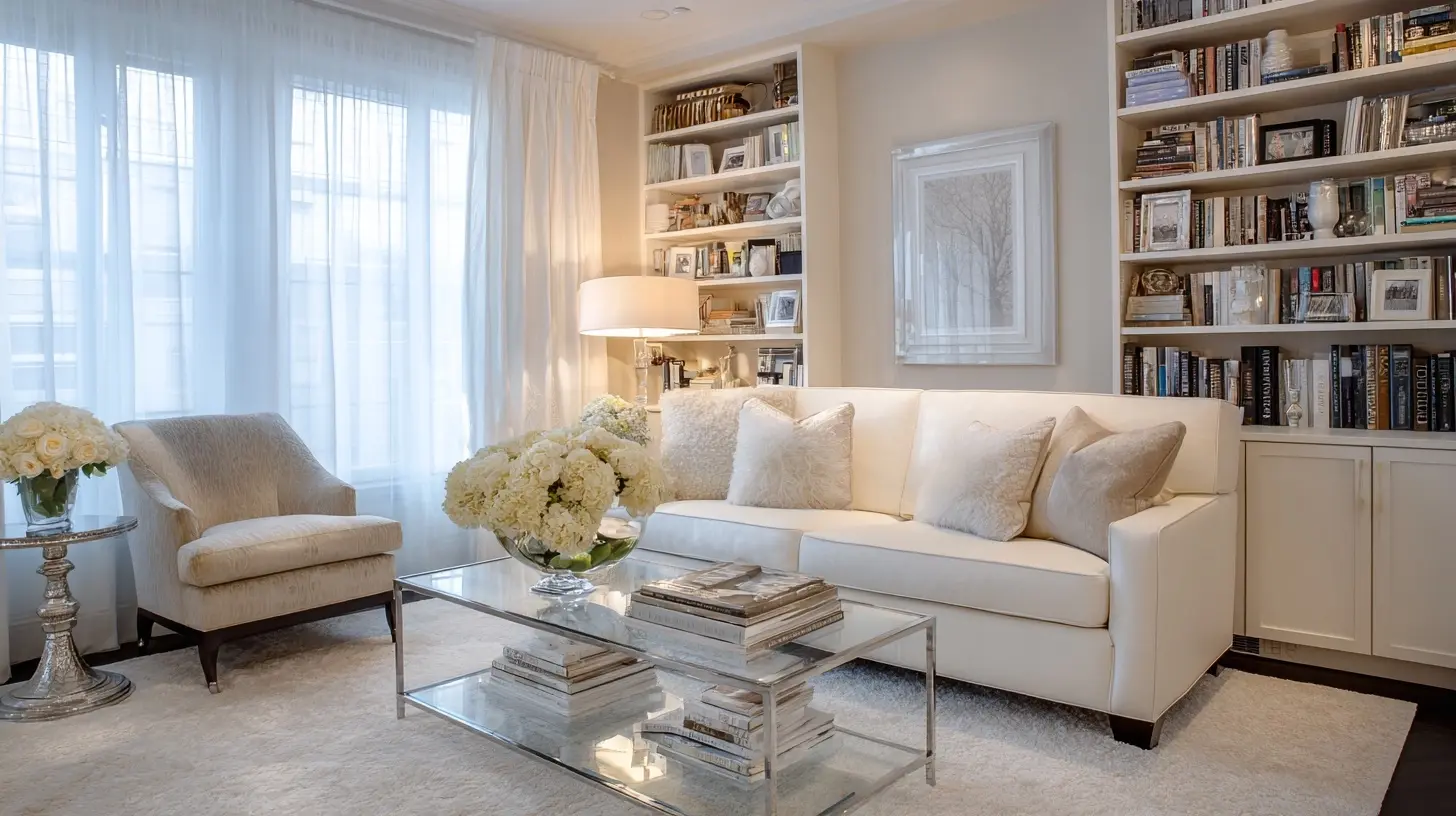
Residential lighting works best in three layers, each doing a distinct job:Ambient light is the general wash that lets you move around safely and see the room as a whole. It comes from ceiling fixtures, chandeliers, or cove lighting. Ambient light alone is the flat-light problem.
Task light is directional and purposeful: reading lamps, under-cabinet strips, desk lights, vanity lights. It should be bright enough for the activity and positioned so your body does not cast a shadow on what you are doing.
Accent light adds depth and focus: picture lights, wall washers, a lamp aimed at a plant or textured wall. Accent light is what makes a room feel designed rather than furnished.
A room can survive with two layers. It rarely feels good with one. The mistake is assuming each layer needs its own expensive fixture. A floor lamp can serve as both ambient and task light. A well-placed table lamp can be task light during the day and accent light at night. Think in layers, then solve them with as few well-chosen pieces as possible.
Color Temperature: The Setting People Get Wrong Most
Color temperature, measured in kelvin (K), describes whether light looks warm (yellow-orange) or cool (blue-white). It has nothing to do with brightness, and it changes how a room feels more than almost any other decision.- 2700K to 3000K reads as warm and cozy. Right for living rooms, bedrooms, dining rooms.
- 3000K to 3500K is neutral. A reasonable middle ground for kitchens and bathrooms.
- 4000K and above reads cool and clinical. Fine for garages, utility areas, and task-heavy workspaces. Usually wrong for living spaces.
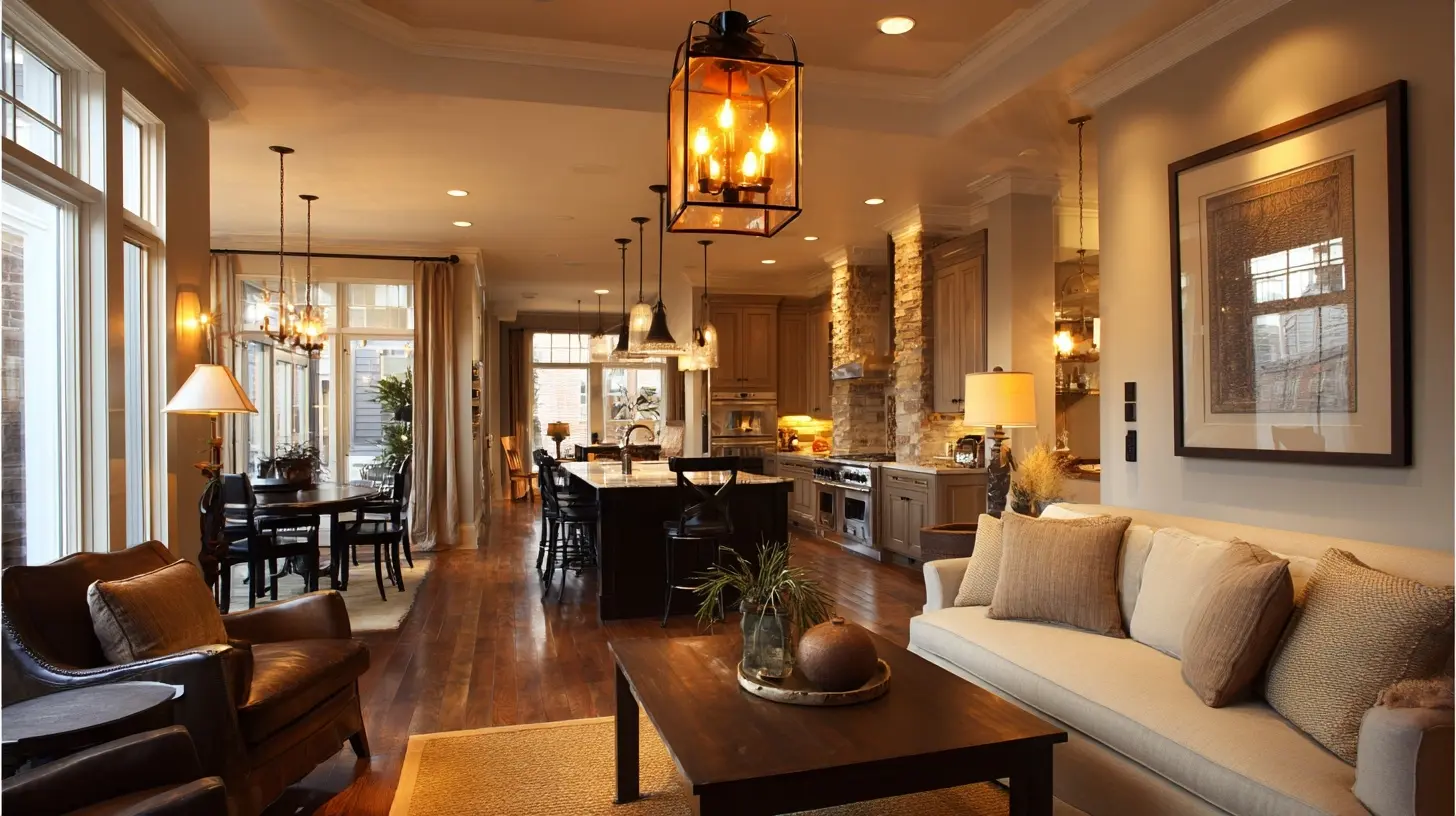
The common mistake is buying whatever is on sale without checking the kelvin rating, then ending up with 5000K bulbs in a bedroom, which makes the room feel like a dentist's waiting area. The second common mistake is mixing temperatures in one open-plan space. A 2700K living room adjacent to a 4000K kitchen creates a visible seam of color that looks like an error even when each room works on its own.
Practical rule: pick one color temperature per open-plan zone and stay within a few hundred kelvin of it. If you want variety, vary brightness and direction, not color.
Wattage Is Not Brightness: Understanding Lumens
Older bulbs were sold by wattage because wattage roughly tracked brightness for incandescent bulbs. LED changed that. A 9-watt LED can easily match a 60-watt incandescent. What you actually want to compare is lumens, the measure of visible light output.As a rough starting point for a typical room, aim for something in the range of 10 to 20 lumens per square foot for ambient light, then add task lighting on top. A 200 square foot living room might land around 2,000 to 4,000 lumens of ambient light, spread across several sources rather than one blinding ceiling fixture. These numbers are guides, not laws. Dark walls, high ceilings, and large windows all shift the math.
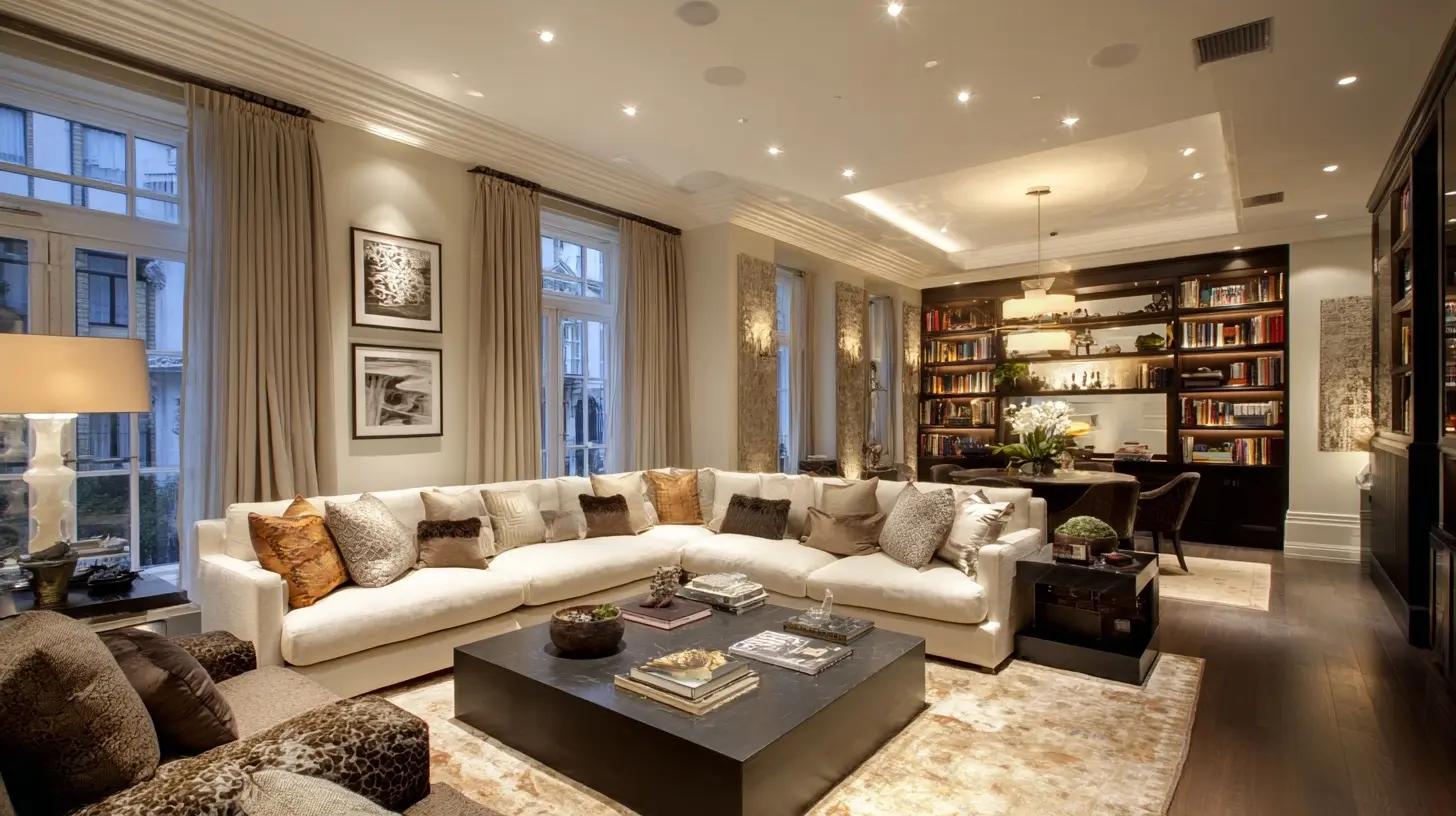
Here is the trade-off worth understanding: a single high-lumen fixture creates glare and harsh shadows. Several lower-lumen fixtures at different heights create soft, even light. Spreading the same total lumens across more sources almost always looks better.
Dimmers Are Not Optional
If you take one recommendation from this article, make it this: put dimmers on the main light sources in every room you can. Dimming does three things at once. It lets you shift a room from functional to relaxed without turning lights off entirely. It extends the useful range of a fixture. And it saves energy.The nuance is that not all dimmers and bulbs cooperate. Older dimmer switches can cause LED bulbs to flicker, buzz, or drop out at low levels. Before installing dimmers, check that your bulbs are marked dimmable, and match the dimmer to the bulb technology (most modern LED-compatible dimmers state this on the packaging). If you are renovating, wiring dimmers into the plan is far cheaper than retrofitting later.
Room by Room
Living Room
The living room is where layering matters most because it hosts the widest range of activities: conversation, reading, movies, entertaining. A single ceiling fixture will make every one of those slightly worse.A workable plan: a dimmable ambient source (ceiling fixture or a pair of ceiling-mounted downlights aimed at walls rather than straight down), a floor lamp beside the main seating, and a table lamp or two at eye level when seated. Aim accent light at a textured wall, artwork, or shelving to give the room depth at night.
The specific mistake to avoid: downlights directly over seating. They put light on the top of heads and leave faces in shadow, which is unflattering for conversation. Wall washing or aiming light at the ceiling produces indirect light that bounces back softly.
Kitchen
The kitchen is a task room first. The most important light is not the ceiling fixture. It is the light on the counters.Under-cabinet lighting is the highest-value lighting upgrade in most kitchens, because it puts light exactly where hands and knives work, and because the ceiling fixture inevitably casts your shadow onto the counter. A continuous LED strip along the underside of upper cabinets, at 3000K to 3500K, solves a problem no ceiling fixture can.
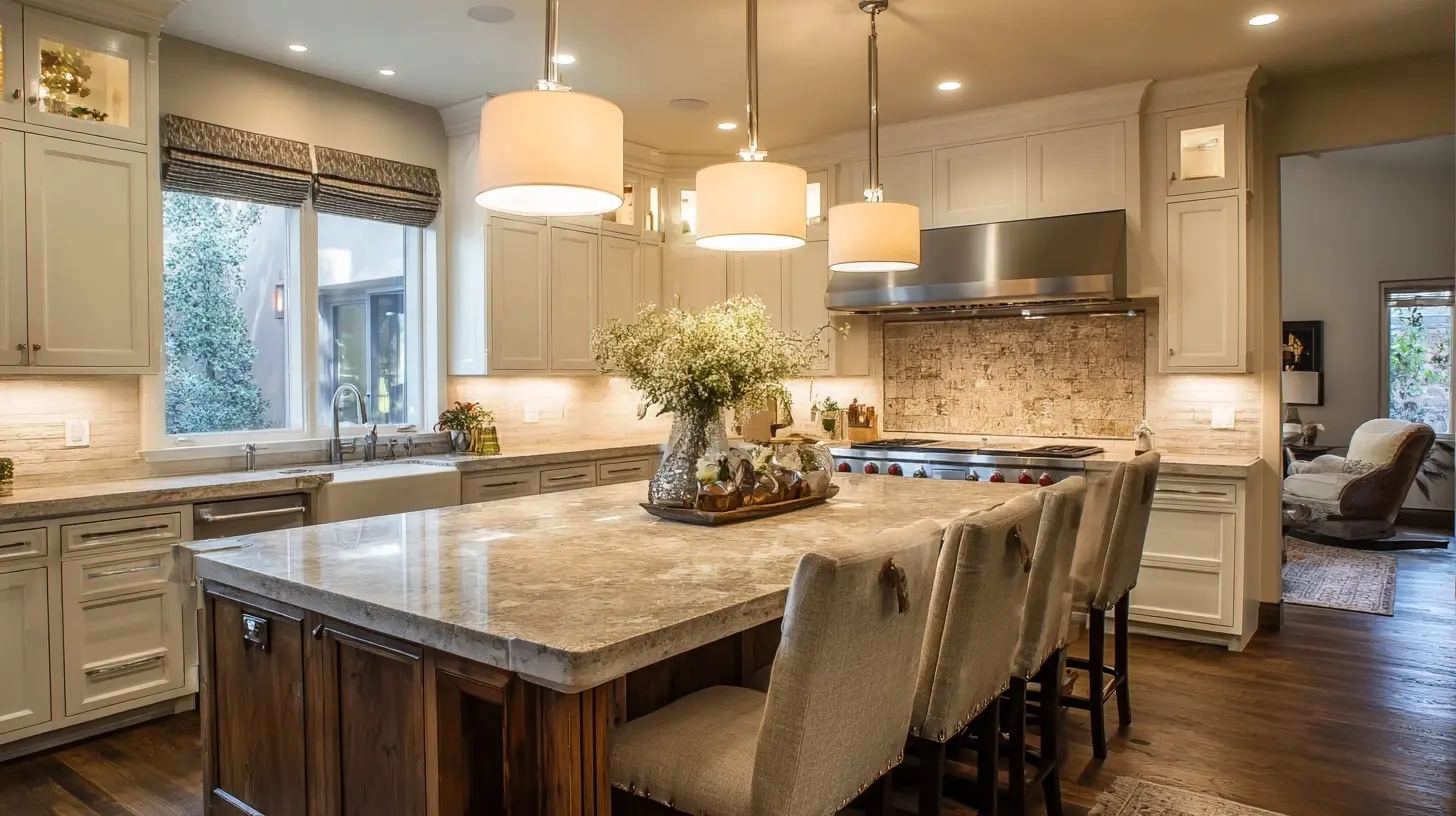
For general light, choose fixtures that spread light rather than spot it. Pendants over an island work well if hung low enough to light the surface, not so high they only light the ceiling. Recessed downlights should be placed over walkways and work zones, not in a grid across the whole ceiling, which is a common builder default that produces both glare and shadow.
Bedroom
The bedroom should be the warmest room in the house, both in color temperature and in layering. Overhead light is the enemy here. A bright ceiling fixture at bedtime tells your body it is midday.Better: bedside lamps at 2700K for reading, a dimmable ambient source you rarely use at full brightness, and ideally a low-level option such as a small lamp or LED strip near the floor for middle-of-the-night movement. Motion-sensor plug-in lights are a practical, renter-friendly fix for this.
If you read in bed, pay attention to lamp height and shade direction. A lamp whose shade sits below eye level when you are propped up will glare. A shade that directs light down onto the page, with the bulb hidden from view, is the difference between comfortable reading and squinting.
Bathroom
Bathroom lighting has one job above all: make faces look normal. Light straight down from a ceiling fixture casts shadows under the eyes and nose. Light straight on from a mirror-mounted fixture creates glare.The standard that works is light at face height on both sides of the mirror, at roughly 3000K to 3500K, with a high color rendering index so skin tones and makeup colors read accurately. A ceiling fixture can provide ambient light, but it should not be the only source at the vanity. If you have a single vanity and limited wiring, a horizontal fixture above the mirror is a compromise; side lighting is better.
Home Office
The home office is a task room, and the task is reading screens and paper without eye strain. The key principle is to avoid a bright screen in a dark room. Contrast between screen and surroundings is what tires eyes, not absolute brightness.Practical setup: ambient light in the room at a moderate level, a task lamp positioned to the side of your dominant hand so it does not cast shadows on your work, and a bias light behind the monitor if you work late. Color temperature around 3500K to 4000K suits focused work. A window to the side of the desk is ideal; a window directly behind the monitor is the worst case, because it forces your eyes to adapt between bright and dark all day.
Hallways and Stairs
These are safety spaces, and the goal is even, shadow-free light with no dark gaps between fixtures. Stairs especially benefit from light at both top and bottom, and from fixtures that do not glare when viewed from below. Motion sensors are genuinely useful here, and they are one of the few places where automated lighting is clearly worth the cost.Common Mistakes and Misconceptions
"One big fixture is enough." It rarely is, for the reasons above. Layering beats raw output."Brighter is better." Excess brightness causes glare and washes out texture. Most rooms feel better with moderate light from several sources than strong light from one.
"Color temperature does not matter." It is the single most noticeable lighting variable after brightness. Mismatched temperatures are the most common reason a renovated room feels off.
"Any bulb works in any fixture." Enclosed fixtures, dimmers, and smart switches all have compatibility requirements. Check before buying in bulk.
"Warm light is always cozier." Very warm light (below 2700K) can make colors look muddy and rooms feel dim. Warmth is a range, not a race to the bottom.
"Lighting is a finishing touch." It is structural. Wiring, switch placement, and dimmer locations are cheapest to get right during renovation and expensive to change later. Plan lighting alongside the floor plan, not after the furniture arrives.
Practical Recommendations Before You Buy
1. Map each room's activities and the times of day they happen.2. Decide on one color temperature per zone and write it down before shopping.
3. Plan for at least two layers per room, three where budget allows.
4. Put dimmers on the main sources.
5. Buy one or two bulbs first and test them in the actual room at night before committing to a full set.
6. Prioritize under-cabinet lighting in the kitchen and bedside lighting in the bedroom; these two upgrades deliver the most improvement per dollar.
7. Keep a consistent bulb type and color temperature on hand as spares, so replacements do not create mismatched patches years later.
Lighting rewards a little planning more than almost any other part of a home. The rooms people describe as cozy, calm, or inviting are almost never the ones with the most expensive fixtures. They are the ones where someone thought about what happens in the room, at what time, and put light where it was needed.
all images in this post were generated using AI tools
Category:
Home DesignAuthor:

Basil Horne