How to Choose the Right Contractors for Your Flip
11 December 2025
Flipping houses can be an exciting and profitable venture—if you do it right. One of the biggest factors determining your success? Hiring the right contractors. Whether you're dealing with a cosmetic update or a full-scale renovation, the contractor you choose can make or break your flip. But with so many options out there, how do you separate the pros from the duds?
Don't worry—I’ve got you covered. In this guide, we'll go over everything you need to know about finding, vetting, and hiring the best contractors for your flip. 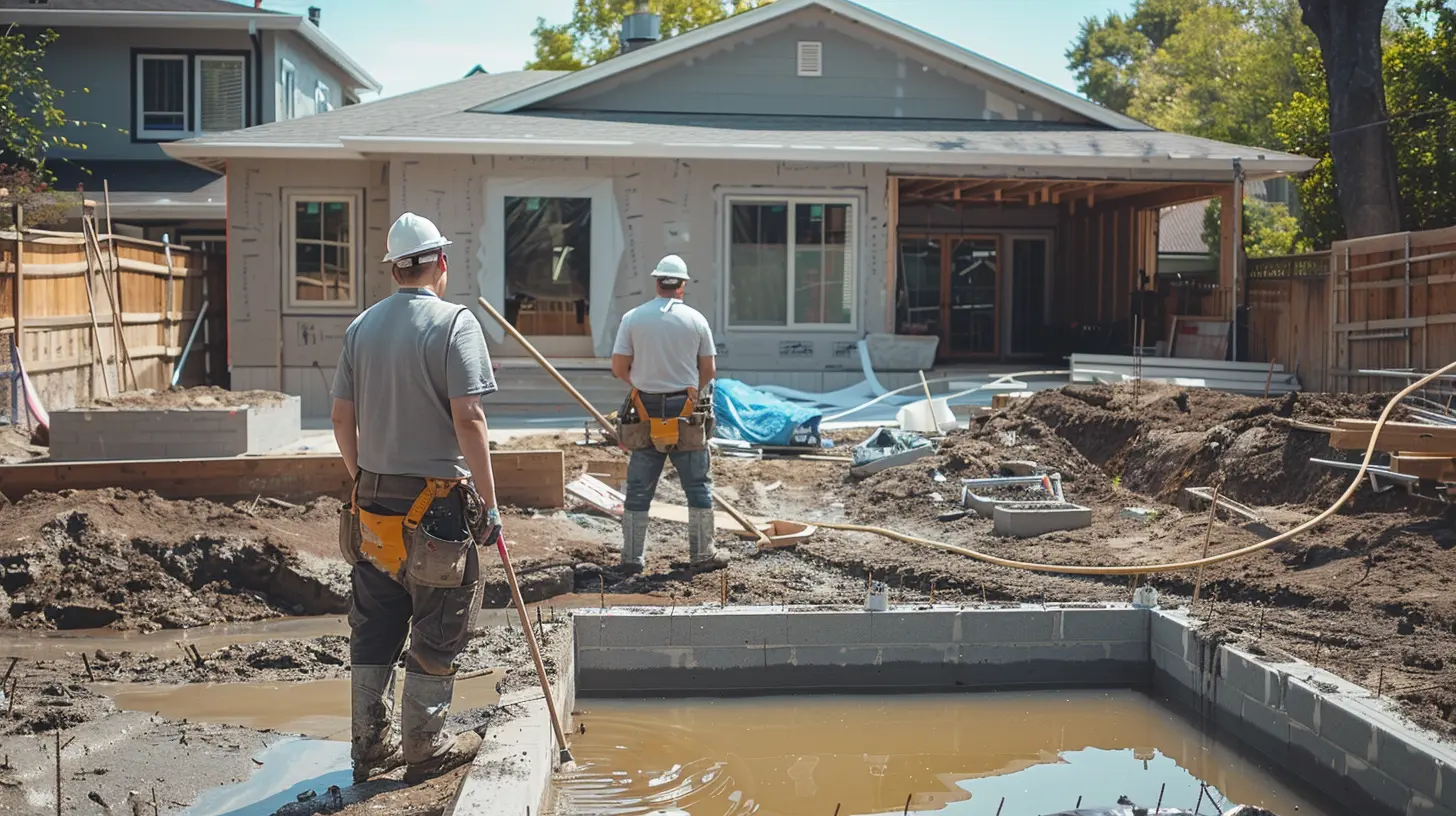
Why Choosing the Right Contractor Matters
Think of contractors as the backbone of your house-flipping business. A skilled and reliable contractor ensures the renovation runs smoothly, stays on budget, and finishes on time. On the flip side (pun intended), a bad contractor can cause delays, increase costs, and leave you with low-quality work that scares off buyers.The right contractor helps you:
✔ Stay within budget
✔ Meet your project deadlines
✔ Increase your flip's market value
✔ Avoid unnecessary headaches
Bottom line? Picking the right contractor isn't just important—it's essential. 
Step 1: Define Your Renovation Needs
Before you start reaching out to contractors, you need to get clear on what your flip actually requires. Are you doing a minor facelift with new paint and flooring? Or are you tearing down walls and gutting the kitchen?Here’s a simple breakdown of common renovation needs and the contractors involved:
- Cosmetic Updates (paint, flooring, fixtures) → Handymen, painters, flooring specialists
- Structural Work (wall removals, framing) → General contractors, structural engineers
- Plumbing & Electrical (rewiring, plumbing fixes) → Licensed electricians and plumbers
- Roofing & HVAC (roof replacement, new AC) → Roofing contractors, HVAC specialists
Understanding your project scope helps you hire the right people from the start, avoiding costly mistakes later. 
Step 2: Look for Reliable Contractors
Okay, now that you know what kind of work your flip needs, it’s time to find contractors. But where do you start?1. Ask for Referrals
Word-of-mouth recommendations are pure gold. Ask fellow flippers, real estate agents, or even local home improvement stores for trusted contractors. A referral from someone you trust can save you from a bad experience.2. Check Online Reviews & Ratings
Websites like:- Angi (formerly Angie’s List)
- HomeAdvisor
- Houzz
- Google Reviews
…can help you find top-rated contractors in your area. Look for consistent positive feedback and watch for red flags like complaints about poor communication or unfinished work.
3. Visit Local Construction Sites
If you see a team actively working on a house, stop by and chat with them. You can get a feel for their work ethic and even get a firsthand look at their craftsmanship.4. Use Social Media & Forums
Facebook groups, Reddit threads, and BiggerPockets' forums often have recommendations from experienced investors. Connecting with local real estate groups can also point you in the right direction.
Step 3: Vet Your Contractors Thoroughly
Once you’ve found a few potential hires, don’t just pick the first one on the list. This is where a little detective work comes in.1. Verify Licensing & Insurance
A legitimate contractor should have:✔ A valid license (if required in your area)
✔ Liability insurance (to protect you from damages)
✔ Workers' compensation (for employee injuries)
Hiring an unlicensed contractor might save money upfront, but it could cost you big time if something goes wrong.
2. Ask for References & Past Work
A reputable contractor should have no problem sharing references or showing off previous projects. Ask for:- Photos or videos of past jobs
- Contact info for previous clients
- References from vendors they work with
A contractor who hesitates to provide references? Major red flag.
3. Get Multiple Bids
Never settle for the first quote. Get at least three estimates to compare pricing, timelines, and work details. But be cautious—cheapest isn't always best. A low bid might mean shortcuts in materials or workmanship.4. Assess Communication Skills
A contractor could be the best in the business, but if they don’t communicate well, your project will suffer. Ask yourself:✔ Do they respond to calls and messages promptly?
✔ Do they provide clear and detailed answers to your questions?
✔ Do they seem organized and professional?
Bad communication often leads to misunderstandings, delays, and frustration. No one needs that.
Step 4: Set Clear Expectations in a Contract
Once you’ve chosen your dream contractor, get everything in writing. A handshake deal might sound nice, but it leaves you unprotected if things go south.A solid contract should include:
- Scope of Work – Clearly list every task they’ll complete
- Materials & Costs – Breakdown of materials and pricing
- Payment Schedule – Never pay the full amount upfront! Standard is a 30-40-30 split (30% deposit, 40% midway, 30% upon completion)
- Timeline – Start and end dates, with penalties for delays
- Warranties – Coverage for workmanship defects
This protects both you and the contractor while ensuring accountability.
Step 5: Maintain Good Contractor Relationships
A great contractor is worth their weight in gold. Once you find one, treat them well, and they’ll want to work with you again.Tips for Keeping a Strong Relationship:
✔ Pay on time (or even early) to build loyalty✔ Give clear instructions to avoid misunderstandings
✔ Provide feedback and appreciation for good work
✔ Recommend them to others—it benefits both parties
When you find a contractor who does quality work, respect their time, and pays attention to detail, keep them close.
Common Mistakes to Avoid When Hiring a Contractor
Even experienced house flippers make mistakes. Here are some pitfalls you must avoid:🚫 Skipping Background Checks – Not verifying licenses, insurance, or past work can cost you.
🚫 Paying Too Much Upfront – A hefty deposit might leave you hanging if the contractor bails.
🚫 Ignoring Red Flags – Poor communication, vague contracts, or a bad attitude? Run.
🚫 Not Having a Paper Trail – Always document agreements, payments, and any scope changes.
Final Thoughts
Picking the right contractor for your flip isn't just about getting the job done—it's about getting it done right. Take your time to research, vet, and communicate well, and you'll set yourself up for a successful, stress-free flip.Remember: A great contractor is a house flipper’s best friend!
Happy flipping!
all images in this post were generated using AI tools
Category:
Property FlippingAuthor:

Basil Horne
Discussion
rate this article
2 comments
Raina Beck
Choosing the right contractors is crucial; trust and communication make all the difference in a successful flip.
December 17, 2025 at 4:25 AM
Basil Horne
Absolutely! Trust and clear communication are key to ensuring a smooth and successful flipping process with your contractors.
Uriel McClintock
Great insights! Choosing the right contractors is crucial for a successful flip. Trust your instincts, do thorough research, and build good communication; it makes all the difference. Happy flipping!
December 11, 2025 at 6:05 AM
Basil Horne
Thank you! I completely agree—trust and communication are key to a successful project. Happy flipping to you too!