How Rising Interest Rates Could Impact Your Mortgage in 2026
21 April 2026
Picture this: it's 2026, and you're sitting at your kitchen table with a steaming cup of coffee, gazing at the monthly mortgage bill that just dropped into your inbox. You thought your mortgage was a steady ship sailing smoothly through financial seas, but suddenly, the waves of rising interest rates are crashing against your hull. What does this mean for you? How will it change your financial landscape? Let’s dive into the fascinating and somewhat murky waters of interest rates, mortgages, and what it all means for your wallet.
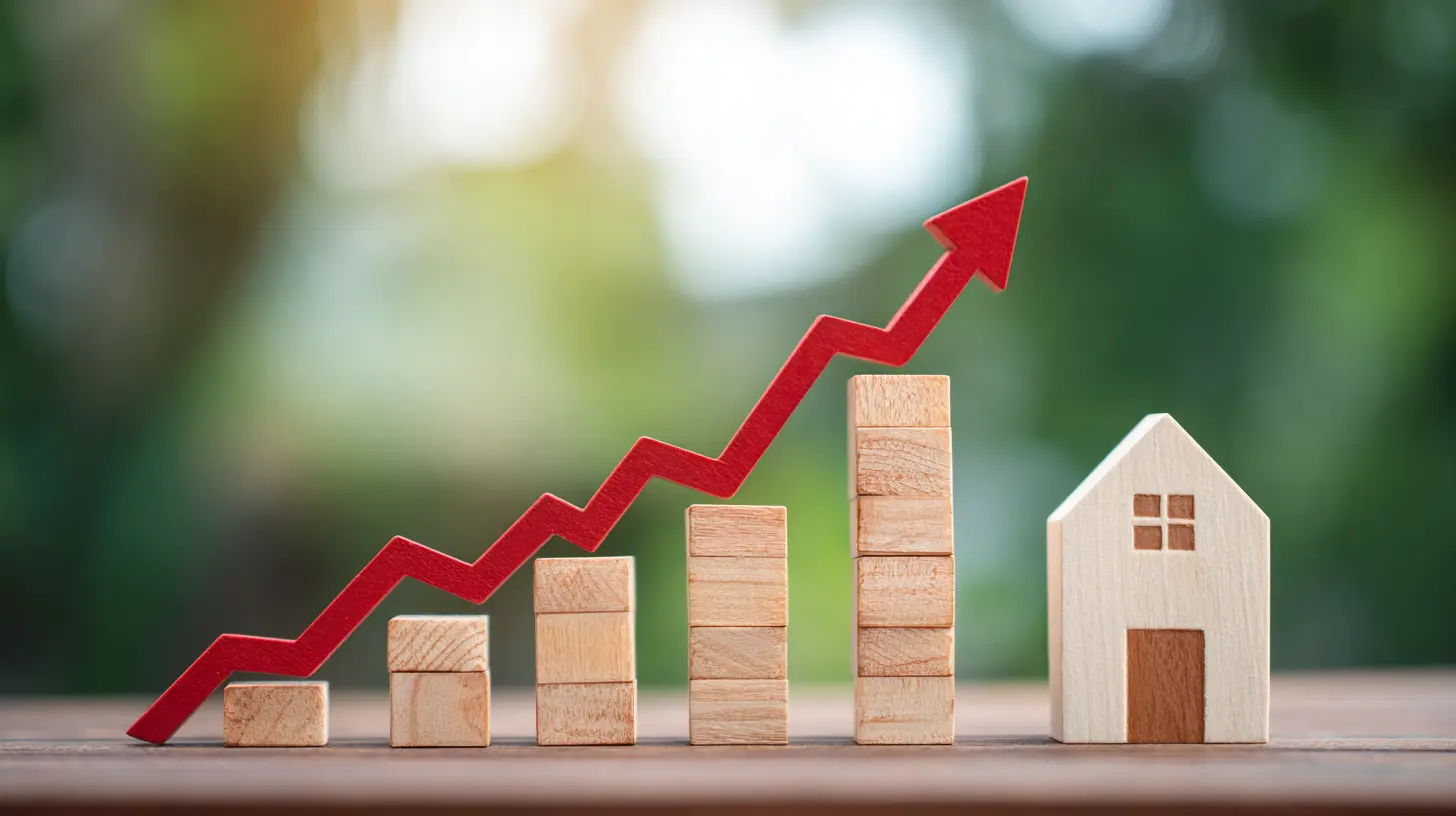
Understanding Interest Rates: The Basics
Before we get into the nitty-gritty of how rising interest rates could affect your mortgage, let’s take a moment to break down what interest rates are. Simply put, an interest rate is the cost of borrowing money. When you take out a mortgage, you’re borrowing from a lender, and they charge you interest on that amount. This interest is typically expressed as a percentage and can vary based on a multitude of factors, including economic conditions, inflation, and government policies.Imagine interest rates as the tide coming in and out. When the tide is high (interest rates are low), more people can afford to buy homes because their monthly payments are manageable. When the tide goes out (interest rates rise), fewer people can wade into the housing market without getting their feet wet—and it changes the dynamics for everyone.
The Current State of Interest Rates
As we stand on the brink of 2026, the economy is showing signs of volatility. Central banks around the world are adjusting their policies in response to inflation, economic growth, and other factors. In the United States, for instance, the Federal Reserve has been known to raise interest rates to cool down an overheated economy. If this trend continues, we could see mortgage rates climb higher, impacting not just new homebuyers but also those of us who have existing mortgages.So, what does this mean for you? Let’s break it down further.
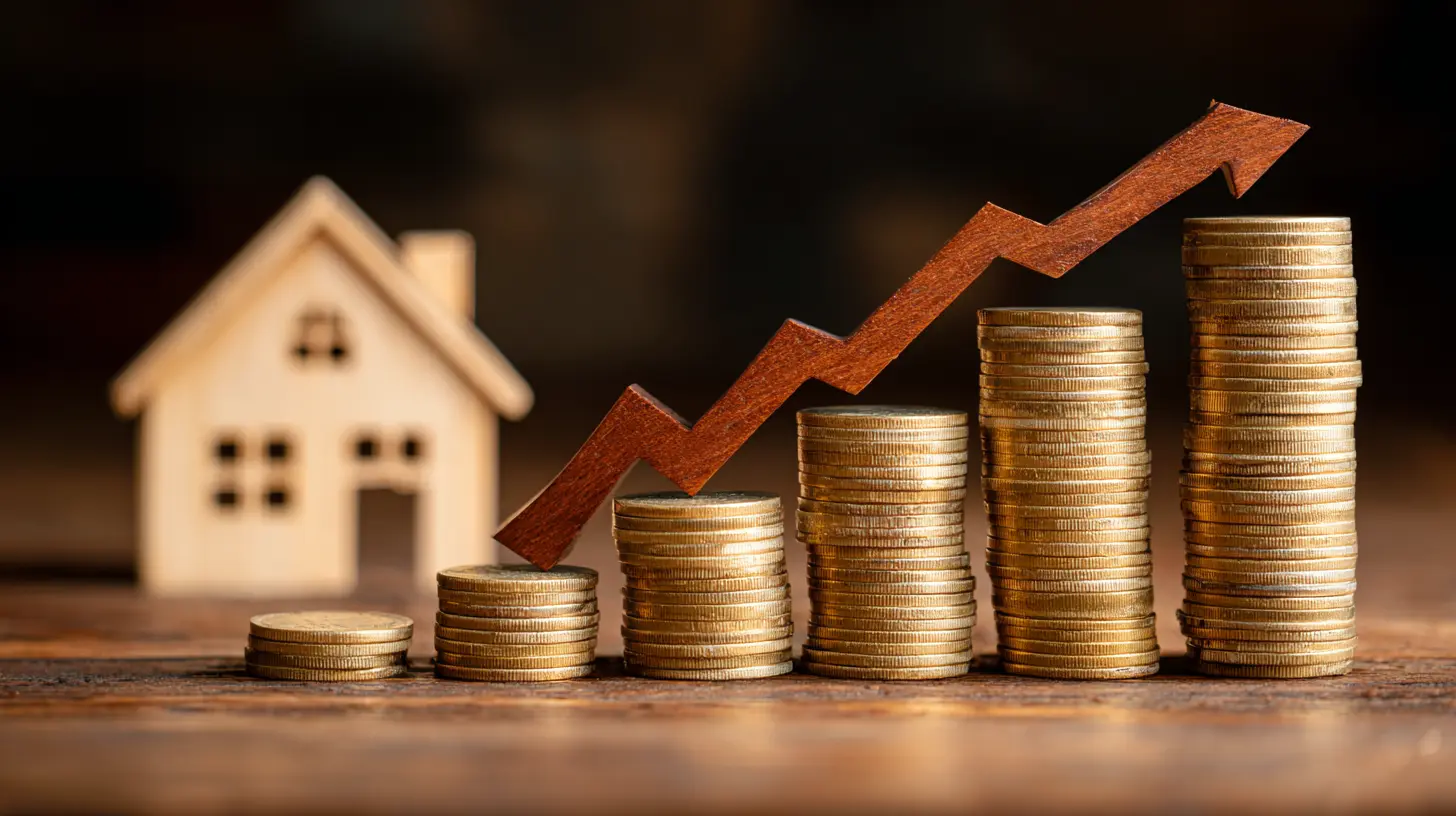
The Ripple Effect: How Higher Interest Rates Hit Your Mortgage
1. Your Monthly Payments
First and foremost, let’s talk about that monthly payment. If you have a fixed-rate mortgage, your interest rate is locked in, and you might think you’re safe from the rising tide. But hold on a second! If you're considering refinancing or even thinking about selling your home and buying another, you’ll be in a different boat altogether.Higher interest rates mean that any new mortgage you take out will likely come with a higher rate. This translates to larger monthly payments. For instance, if interest rates rise from 3% to 5%, the monthly payment on a $300,000 mortgage can increase by several hundred dollars. That's money that could have gone towards your dream vacation, your kid’s college fund, or even your next car.
2. The Home Buying Market
Now, let’s shift our focus to the housing market itself. With rising interest rates, fewer buyers can afford homes, which could lead to a slowdown in home sales. This is like a game of musical chairs—when the music stops, not everyone will have a seat. Sellers may have to lower their prices to entice buyers who are now feeling the pinch of those higher mortgage payments.And guess what? If you’re thinking about selling your home, this could be a double-edged sword. While you might get a higher price for your home in a booming market, the increased interest rates could make it harder for potential buyers to afford it. It’s a tricky balance.
3. Refinancing Opportunities
Let’s say you’ve been thinking about refinancing your mortgage to take advantage of lower rates. If rates are on the rise, the window of opportunity might be closing fast. Refinancing when rates are low can save you a significant amount of money, but if you wait too long and rates continue to rise, you could miss out on potential savings.Think of it like trying to catch a bus. If you don’t get on at the right time, you might find yourself waiting at the station for the next one, which could be even more crowded and less comfortable.
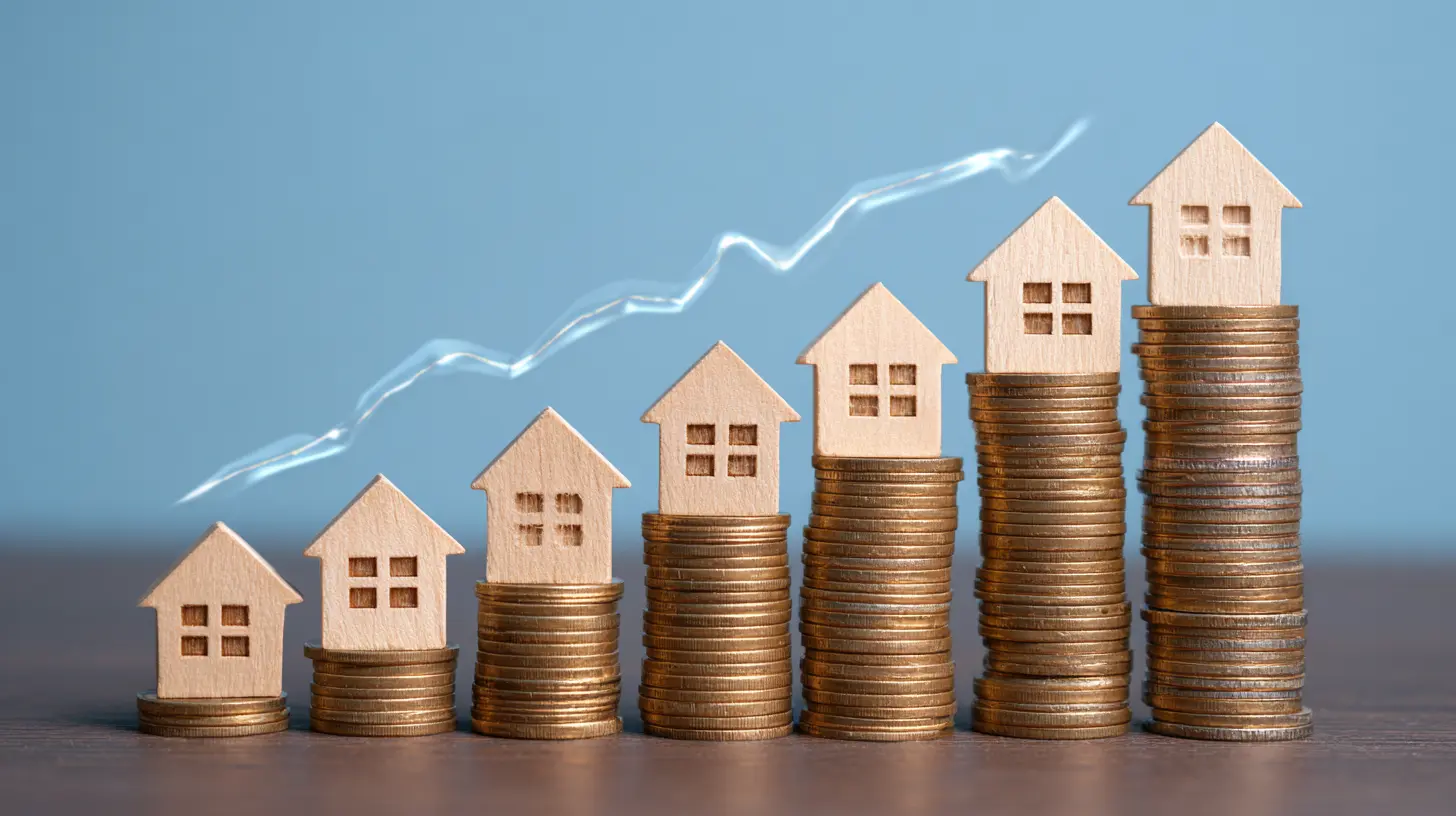
The Long-Term Picture: Equity and Investment Potential
1. Building Equity
Higher interest rates can also impact how quickly you build equity in your home. Equity is the portion of your home that you truly own—essentially, it’s your investment. When interest rates are high, your monthly payments are skewed more towards interest than principal repayment, which means you’re building equity at a slower pace.For many, this can feel like running a marathon in quicksand. You’re putting in the effort, but it seems like you’re not making much progress. This slow equity-building can affect your financial plans, especially if you’re looking to tap into that equity for home improvements, investments, or other ventures.
2. Investment Property Considerations
For those of you considering purchasing investment properties, rising interest rates can make that prospect less appealing. Higher borrowing costs can eat into your profits and change the calculations for your return on investment. If you're relying on rental income to cover your mortgage, those higher rates could cut into your cash flow, making the investment less attractive.Think about it this way: would you invest in a stock that’s on the verge of dropping? Probably not! Just like that, savvy investors will start to think twice about diving into the property market if the financial waters appear murky.
Navigating the Waters: Strategies to Consider
1. Locking in Rates
If you’re in the market for a new home or considering refinancing, it might be wise to lock in a mortgage rate sooner rather than later. Many lenders offer a lock-in option, allowing you to secure a rate for a specific period while you finalize your home purchase.Picture it as putting your umbrella up before the storm hits. You may not be able to control the rain, but you can certainly protect yourself from getting drenched!
2. Budgeting for Changes
Now is the time to assess your budget and ensure you’re prepared for potential fluctuations in your mortgage payments. Consider how higher rates could affect your finances and make necessary adjustments to your spending habits.It’s like getting ready for winter—if you know the cold is coming, you’ll want to stock up on blankets and hot cocoa before the first snowflakes fall!
3. Consulting Financial Experts
If you’re feeling overwhelmed by the prospect of rising interest rates and their impact on your mortgage, don’t hesitate to consult a financial advisor or mortgage expert. They can help you navigate the complexities of the market and determine the best course of action for your unique situation.Think of them as your GPS navigating you through unfamiliar terrain. They can provide the insight and direction you need to make informed decisions.
The Bigger Picture: Economic Factors at Play
1. Inflation Trends
Interest rates are often a response to inflation. As costs rise for everyday goods and services, central banks may raise interest rates to keep the economy from overheating. If inflation continues to rise, we could see more aggressive rate hikes, which would further impact your mortgage.Imagine inflation as a garden that’s growing wildly out of control. Just like a gardener prunes their plants to keep them in check, central banks use interest rates as a tool to regulate economic growth.
2. Federal Reserve Policies
The Federal Reserve plays a crucial role in shaping interest rates. Their decisions can create ripples throughout the economy, impacting everything from employment rates to consumer spending. Keeping an eye on their policies can provide insights into future interest rate trends.It’s like watching the weather forecast before planning your weekend picnic. While you can’t control the weather, you can certainly prepare for it!
What You Can Do Right Now
1. Educate Yourself
The more you know, the better equipped you’ll be to handle changes in the mortgage landscape. Stay informed about interest rate trends, economic news, and housing market updates. Knowledge is power, after all!2. Monitor Your Credit Score
Your credit score plays a significant role in determining the interest rate you’ll receive when applying for a mortgage. Keeping an eye on your score and taking steps to improve it can help you secure better rates, even in a rising environment.3. Stay Flexible
Flexibility is key in a changing market. Be open to adjusting your plans based on the economic climate, whether that means delaying a home purchase, considering different financing options, or even reevaluating your current mortgage.
Conclusion: Preparing for the Unknown
As we look ahead to 2026, the impact of rising interest rates on your mortgage could be significant. From higher monthly payments to a slowdown in the housing market, it’s essential to be proactive and prepared for whatever comes your way.While we can’t predict the future with absolute certainty, taking the time to understand the implications of rising interest rates can help you navigate the financial seas with confidence. Whether you're a first-time homebuyer or a seasoned homeowner, staying informed and adaptable will be your best allies in these uncertain waters.
So, grab your coffee, keep your eyes on the horizon, and stay ready for whatever the financial tides may bring!
all images in this post were generated using AI tools
Category:
Credit And MortgagesAuthor:

Basil Horne
Discussion
rate this article
2 comments
Valentina Sawyer
So, if interest rates are rising, should we start saving pennies or just invest in a good pair of earplugs?
May 4, 2026 at 12:21 PM
Basil Horne
Investing in earplugs might help with the noise, but focusing on your savings strategy could be the smarter move. Stay informed and plan ahead for potential changes in your mortgage.
Marlowe McKellar
Rising interest rates may significantly affect mortgage affordability and monthly payments by 2026. Homebuyers and homeowners should stay informed about market trends and consider locking in rates early to mitigate potential financial strain.
April 26, 2026 at 3:19 AM
Basil Horne
You're right. Staying informed and considering locking in rates early can help mitigate the impact of rising interest rates on mortgage affordability.