How Market Volatility Affects Mortgage Rates in 2027
14 September 2026
Mortgage rates do not move because of one number on a screen. They move because of how thousands of people with real money at stake feel about the future, all at the same time. By 2027, that collective feeling may be shaped by forces most homebuyers have never had to weigh before: an economy still digesting the aftermath of a historic rate cycle, a Federal Reserve whose credibility is being tested in real time, geopolitical friction that rewires supply chains, and a mortgage market where the old playbook no longer fits cleanly.
If you are planning to buy a home or refinance in 2027, understanding market volatility is not academic. It is the difference between locking at 6.4 percent and watching the same loan price at 7.1 percent three weeks later. This article walks through what volatility actually means for mortgage rates, why the relationship is not as simple as "Fed cuts, rates fall," and how to make smart decisions when the ground keeps shifting.
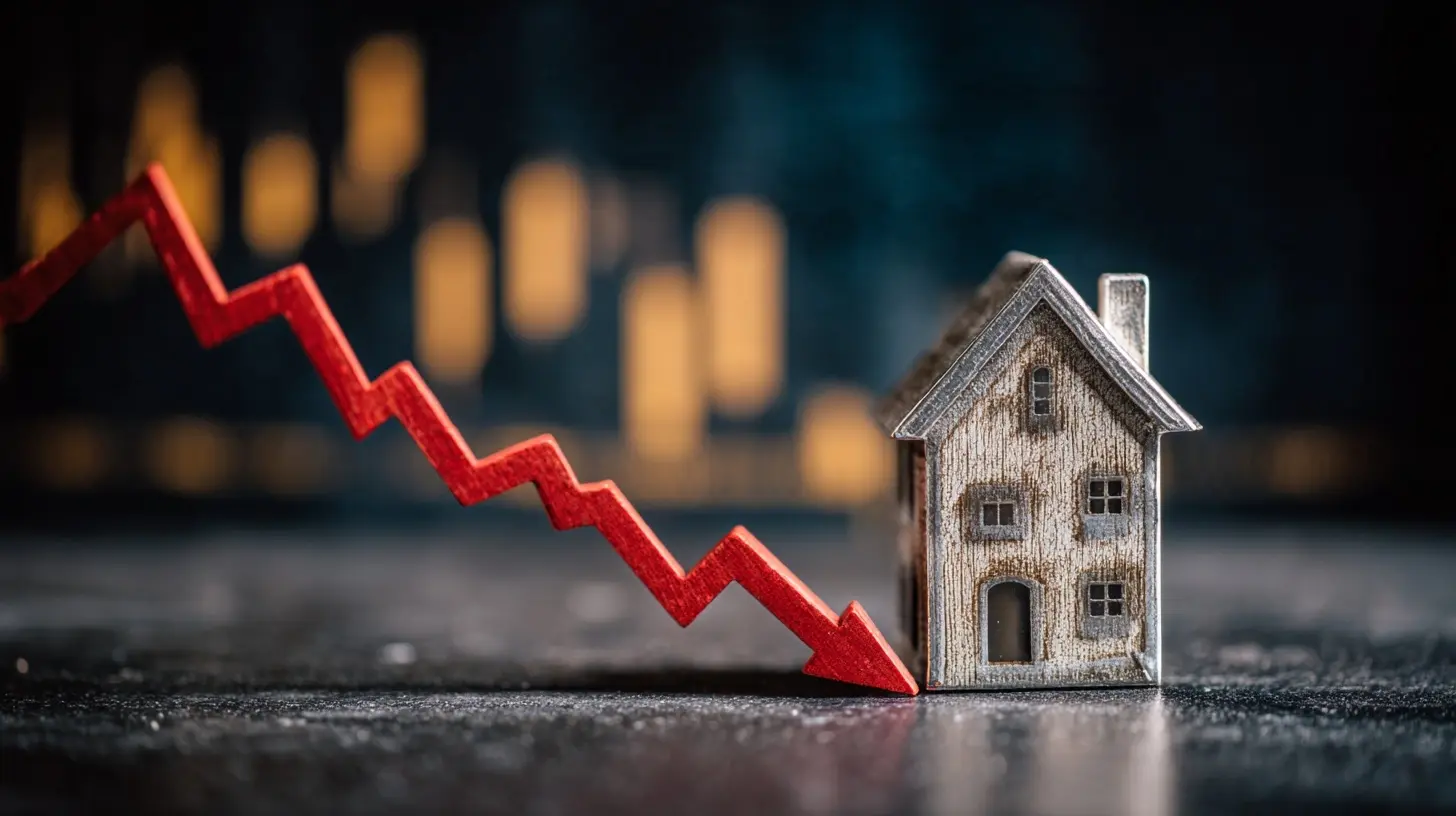
What Market Volatility Really Means for Mortgage Rates
Volatility is not the same as "rates going up." It is the speed and unpredictability of the movement. A market where rates drift from 6.5 percent to 6.7 percent over six months is not volatile. A market where they swing from 6.3 percent to 7.0 percent and back to 6.6 percent in ten weeks is.Mortgage rates are tied most closely to the yield on the 10-year Treasury note, which acts as a benchmark for long-term borrowing costs. When Treasury yields become erratic, lenders widen the spread between that yield and the mortgage rate they offer you. That spread is compensation for uncertainty. In calm markets, the spread between the 10-year Treasury and the 30-year fixed mortgage rate might sit around 1.5 to 2 percentage points. In turbulent markets, it can widen to 2.5 or even 3 points, which means you pay more even if Treasury yields have not moved.
Here is the part most borrowers miss: volatility itself costs you money. Lenders price in the risk that rates will move against them between the time you lock and the time your loan funds. When daily swings are large, that risk premium gets baked into every quote you see. This is why a volatile 2027 could mean mortgage rates that feel stubbornly high even when broader economic data looks favorable.

The Forces Shaping Mortgage Rate Volatility in 2027
Several forces are likely to converge in 2027, each capable of amplifying rate swings. None of them operates in isolation.The Federal Reserve's Delicate Balance
The Fed does not set mortgage rates directly. It sets the federal funds rate, which influences short-term borrowing. Mortgage rates respond to expectations about where the Fed is heading over the next several years, not just where it is today. If markets believe the Fed will cut aggressively, long-term yields fall and mortgage rates often follow. If markets doubt the Fed's resolve to fight inflation, long-term yields can rise even when the Fed is cutting.By 2027, the Fed may be navigating a tricky middle ground: inflation that has cooled but not fully returned to target, an economy that is slowing but not collapsing, and political pressure that tests its independence. Each of these factors introduces uncertainty, and uncertainty is the fuel of volatility.
Inflation's Sticky Corners
Headline inflation can fall while core inflation, which strips out food and energy, stays elevated. Services inflation, driven by wages and housing costs, tends to be the last to cool. If 2027 brings another round of sticky services inflation, bond markets may react sharply, pushing yields up and mortgage rates with them. Conversely, a faster-than-expected cooling could send rates down quickly, but in a volatile way that makes timing difficult.Geopolitical Shocks and Supply Chains
Energy prices remain a wild card. A conflict that disrupts oil flows, a trade dispute that raises the cost of imported goods, or a major supply chain failure can reignite inflation fears overnight. Bond markets hate surprises, and geopolitical shocks are the ultimate surprise. In 2027, with supply chains still being reconfigured and trade relationships in flux, the potential for sudden rate spikes is real.Fiscal Policy and Treasury Supply
Government borrowing needs affect the supply of Treasuries, and when supply rises faster than demand, yields tend to climb. If 2027 brings large fiscal deficits or a contentious debt ceiling debate, Treasury yields could become more volatile, dragging mortgage rates along for the ride. This is not a partisan point; it is a mechanical one. More supply, same demand, higher yields.The Mortgage Spread Problem
The gap between Treasury yields and mortgage rates has been unusually wide in recent years. Part of that reflects lender caution after a period of rapid rate changes. Part reflects reduced demand for mortgage-backed securities from certain large buyers. If that spread narrows in 2027, mortgage rates could fall even if Treasury yields hold steady. If it widens further, rates could rise despite favorable Treasury moves. Watching the spread is often more useful than watching the Fed.
Why Mortgage Rates Do Not Move in a Straight Line
A common misconception is that mortgage rates follow a predictable path: Fed cuts, rates fall; Fed hikes, rates rise. Reality is messier.Mortgage rates are forward-looking. They price in what markets expect to happen over the next 10 to 30 years, not what is happening today. When the Fed cuts rates in response to a weakening economy, long-term yields sometimes rise because markets worry about inflation or government borrowing. When the Fed holds rates steady but signals future cuts, mortgage rates can fall immediately.
In 2027, this dynamic could produce counterintuitive moments. A Fed cut might be followed by higher mortgage rates if the cut is seen as panic rather than prudence. A strong jobs report might push rates up because it suggests the Fed will stay tighter for longer. A weak jobs report might push rates down, but only if it does not trigger fears of a recession severe enough to widen credit spreads.
The lesson: do not try to predict mortgage rates based on headlines about the Fed. Watch the 10-year Treasury yield, the mortgage spread, and inflation expectations. Those three tell a more complete story.
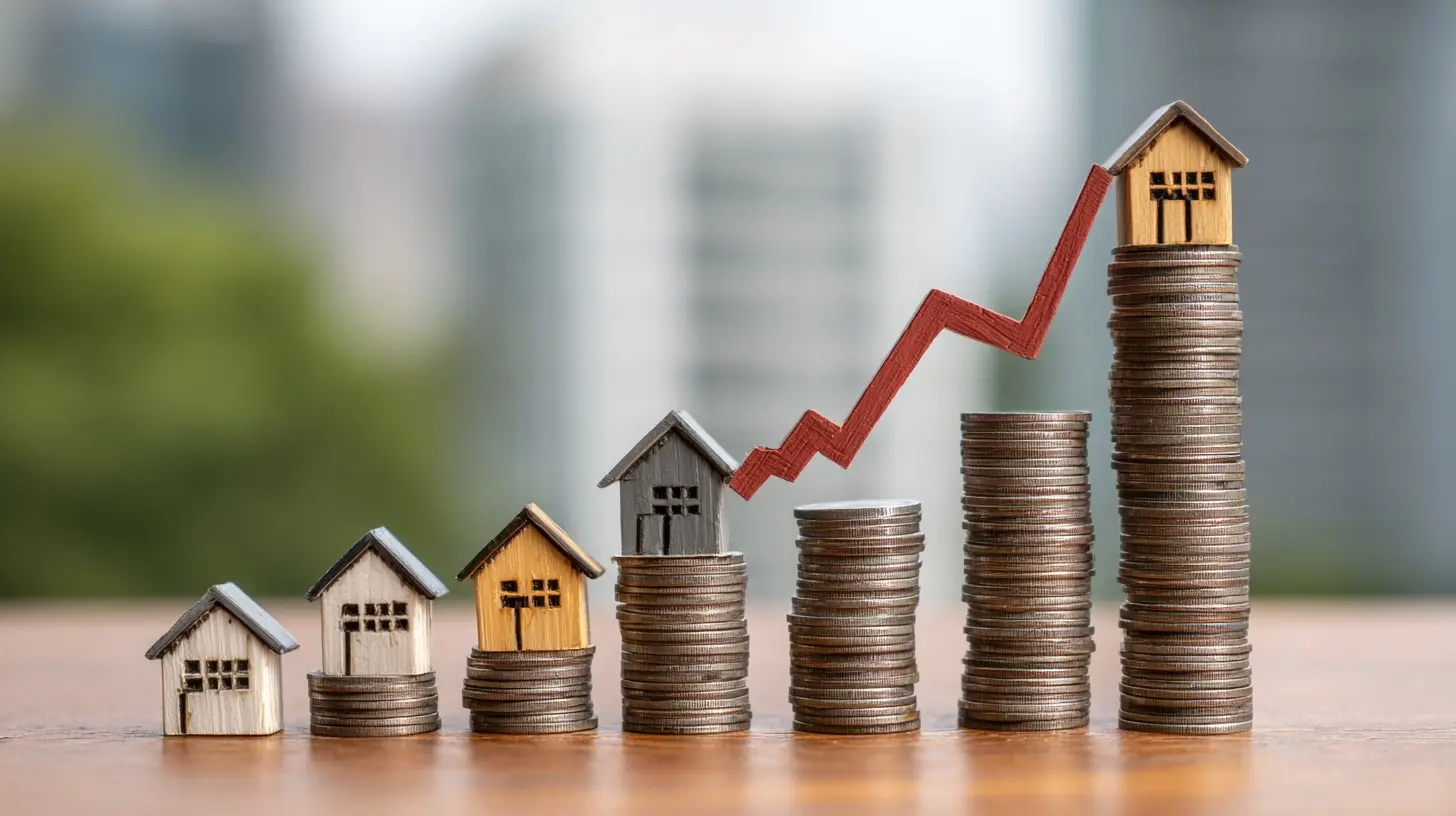
Real-World Examples: How Volatility Plays Out
Imagine two buyers in early 2027.Buyer A is purchasing a $450,000 home with 20 percent down. In January, her lender quotes 6.5 percent on a 30-year fixed. She decides to wait, hoping rates will fall. Over the next eight weeks, a geopolitical shock pushes oil prices up, inflation expectations rise, and the 10-year Treasury yield climbs. Her lender's quote is now 7.0 percent. On a $360,000 loan, that difference costs her roughly $110 more per month, or about $39,600 over 30 years.
Buyer B is in the same situation but locks his rate immediately. He pays a small lock fee but secures 6.5 percent. When rates rise, he is protected. If rates had fallen, he could have asked about a float-down option, though those come with their own costs.
Now imagine a third scenario. Rates fall sharply in March after a weak inflation report. Buyer A, still waiting, locks at 6.2 percent. Buyer B, already locked at 6.5 percent, cannot easily capture the lower rate without paying for a refinance later. Volatility cuts both ways.
The point is not that locking is always right or always wrong. It is that volatility makes the decision more consequential, and the cost of guessing wrong is higher.
The Trade-Offs of Different Mortgage Strategies in a Volatile Market
When rates are volatile, you have several tools at your disposal. Each has advantages and drawbacks.Locking Your Rate
Locking protects you from rate increases during the lock period, typically 30 to 60 days. The trade-off is that you forfeit the benefit of rate decreases. Some lenders offer float-down options, which let you capture a lower rate if the market improves, but these often come with fees or higher initial rates.Locking makes sense when you are close to closing, when you have a fixed budget, or when you believe rates are more likely to rise than fall. It does not make sense if you are months away from closing or if you are confident rates will fall.
Floating Your Rate
Floating means you do not lock, betting that rates will decline before you close. This can save money if you are right, but it exposes you to significant risk if rates spike. In a volatile 2027, floating is a gamble that requires a strong stomach and a clear understanding of the downside.Paying Points to Buy Down the Rate
Discount points let you pay upfront to lower your interest rate. One point typically costs 1 percent of the loan amount and reduces the rate by about 0.25 percent. In a volatile market, buying down the rate can provide certainty and long-term savings, but it increases your closing costs and lengthens your break-even period. If you might refinance or sell within a few years, points may not pay off.Choosing an Adjustable-Rate Mortgage
Adjustable-rate mortgages, or ARMs, offer lower initial rates but reset periodically. In a volatile rate environment, ARMs can be attractive if you plan to sell or refinance before the first reset. However, if rates are higher when your ARM adjusts, your payment could jump significantly. ARMs are not inherently risky, but they require you to understand the reset schedule, caps, and margin.Refinancing Later
Some buyers accept a higher rate now with the intention of refinancing when rates fall. This can work, but it carries risk. Refinancing costs money, and there is no guarantee rates will fall to a level that makes it worthwhile. If you choose this path, model the break-even point carefully and consider how long you plan to stay in the home.
Common Mistakes Borrowers Make in Volatile Markets
Mistakes in volatile markets tend to fall into a few categories.Waiting for the perfect rate. The perfect rate is a myth. Rates could always go lower, but they could also go higher. Waiting indefinitely often means missing opportunities and paying more in rent or lost equity.
Ignoring the spread. Many borrowers focus only on the Fed or the 10-year Treasury. The mortgage spread matters just as much. If the spread is unusually wide, rates may be higher than the Treasury yield alone would suggest, and that spread can change quickly.
Locking too early or too late. Locking too early means you might miss a favorable move. Locking too late means you might get caught by a spike. The right timing depends on your risk tolerance, your timeline, and your read of the market.
Overlooking the total cost. A lower rate is not always the best deal. Closing costs, points, lender fees, and the length of time you plan to stay all matter. A slightly higher rate with lower upfront costs can be the better financial choice.
Assuming refinancing will always be available. Refinancing depends on your credit, your home equity, and lender appetite. If your financial situation changes or if lending standards tighten, refinancing may not be an option when you want it.
Best Practices for Navigating Mortgage Rates in 2027
Here is what experienced buyers and refinancers do when rates are volatile.Get quotes from multiple lenders. Rates and fees vary more than most people realize. A difference of 0.25 percent in rate or a few thousand dollars in fees can change your long-term costs significantly. Compare at least three lenders, including a credit union, a bank, and an independent mortgage broker.
Ask about lock periods and float-down options. Understand exactly what your lock covers and what it costs to extend it. If you are buying a new construction home or have a long closing timeline, you may need a longer lock, which often costs more. Ask whether a float-down is available and under what conditions.
Watch the 10-year Treasury and the mortgage spread. These two numbers tell you more about where mortgage rates are heading than any headline about the Fed. If the 10-year yield is falling but mortgage rates are not, the spread is widening, and that is a warning sign.
Model your budget at a higher rate. Stress-test your finances. If you can afford the payment at 7.5 percent, you are in a strong position. If you can only afford it at 6.5 percent, you are vulnerable to volatility.
Consider the break-even on points. If you plan to stay in the home for at least five to seven years, buying down the rate may make sense. If you might move sooner, it usually does not.
Do not let volatility paralyze you. The biggest risk in a volatile market is not making a slightly suboptimal decision. It is making no decision at all while rents rise and opportunities pass. A well-reasoned choice today is often better than a perfect choice that never comes.
What Could Make 2027 Different
Every rate cycle has its own character. The 2027 cycle may be defined by a few unique features.First, the mortgage spread may remain wider than historical norms, meaning mortgage rates could stay elevated even if Treasury yields fall. Second, the Fed's independence may be tested in ways that affect market confidence, which in turn affects long-term yields. Third, geopolitical and supply chain risks may create more frequent, sharper rate spikes than in the past. Fourth, the housing market itself may be less responsive to rate changes because of limited inventory and demographic demand, which could keep home prices firm even as rates rise.
None of these are certainties. They are possibilities that borrowers should hold in mind as they plan.
Final Thoughts
Market volatility in 2027 is not something to fear. It is something to prepare for. The borrowers who navigate it well are not the ones who predict every move. They are the ones who understand the mechanics, know their own tolerance for risk, and make decisions that align with their timeline and budget.If you are buying or refinancing in 2027, start by getting educated, then get quotes, then make a decision you can live with. Volatility rewards preparation and punishes hesitation. The goal is not to outsmart the market. The goal is to make a sound financial decision in a market that refuses to sit still.
all images in this post were generated using AI tools
Category:
Mortgage TipsAuthor:

Basil Horne