How Building Permits Can Affect Mortgage Approval for New Construction
6 June 2026
When you’re dreaming about building your perfect home from the ground up, it’s easy to get lost in the fun stuff—picking floor plans, imagining cozy evenings on your future front porch, maybe even naming the dog that’ll run around the backyard. But here’s the thing—before you get too far ahead, there’s an essential piece of the puzzle that can make or break your new-build vision: building permits.
Yeah, they don’t sound glamorous. But these little pieces of paper hold serious power, especially when it comes to getting your mortgage approved. That’s right—without the right permits in place, even the most stunning blueprint might never leave the page.
In this article, we're diving deep into how building permits can affect mortgage approval for new construction and what you need to know to keep your dream home (and your loan) on track.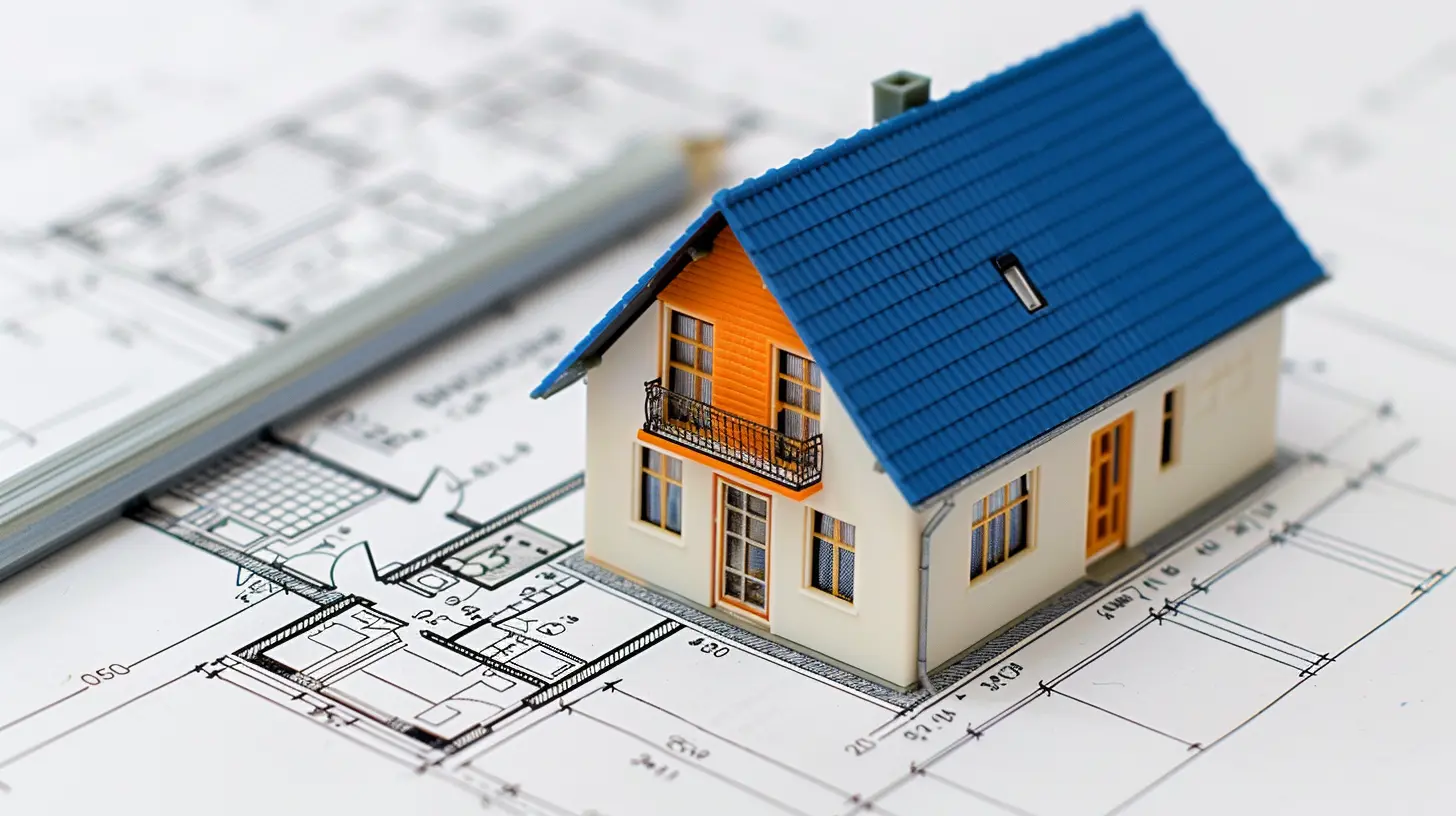
What Exactly Are Building Permits?
Let’s start with the basics. A building permit is an official approval issued by your local government or municipality that allows you to proceed with construction or remodeling. Whether you're building a home from scratch, adding a room, or even altering structural elements, you likely need one.Permits ensure that the construction complies with local zoning laws, building codes, and safety regulations. In other words, it's the city or county’s way of saying, “Go ahead—but play by the rules.”
And since mortgage lenders like to play it safe (can you blame them?), permits are something they take very seriously.
Why Lenders Care About Building Permits
You might be thinking, “Why do banks care if I have a permit or not? Isn’t that my business?” Well, not exactly.Think of it like this: when you ask a bank to fund your new construction, they’re investing in your project. A mortgage isn’t just a stack of cash—it’s a calculated risk. And lenders want to know that the house they’re helping you build is legal, safe, and up to code.
Here’s What Worries a Lender
- Risk of Fines or Demolition: If construction goes ahead without a valid permit and gets flagged by local inspectors, the project could be stopped. In worst-case scenarios, parts may have to be torn down. That’s wasted money, and banks don’t want to be stuck holding the bag.- Resale Issues: A home that wasn’t built with proper permits can struggle during resale. It might scare off buyers, lower property value, or cause legal problems.
- Incomplete Appraisal: Appraisers (hired by the lender) often won’t assign full value to unpermitted work, which could affect your loan-to-value ratio—and potentially disqualify you for financing.
Building Permits and the Mortgage Approval Process
Now, let’s walk through how this plays out in the mortgage approval process. Spoiler alert: permits pop up in more places than you'd think.1. During the Pre-Approval Phase
Before anything else, you typically need to show that you already have or will obtain the proper building permits. Some lenders won’t even move to pre-approval unless you’ve dotted your I’s and crossed your T’s with the county office.This is especially true for construction loans, which are a whole different beast compared to regular mortgages.
2. When Applying for a Construction Loan
Construction loans are short-term loans that cover the cost of building a home. Here’s where the permit issue gets super real.Most traditional lenders won’t release funds until:
- A licensed builder submits plans
- Permits have been issued
- The project has passed an initial site inspection
No permits = no money. It’s that simple.
3. The Appraisal Process
Appraisers need to see full documentation. If you’re trying to get a loan based on the future value of the home, they’ll want to review architect plans, building permits, and zoning approvals.And if something’s off? The appraisal might come in lower than expected, which could mean your loan amount gets slashed—or ditched altogether.
Common Permit-Related Issues That Delay Mortgage Approvals
So let’s say you're in the thick of it—design approved, contractor ready, site prepped. But suddenly your loan hits a wall. What gives?Here are a few common hiccups where permits can stir the pot.
Permit Delays from the City
Sometimes, getting a permit is like waiting in line at the DMV… on a Monday… during lunch hour. Bureaucracy is slow, and staff shortages or backlogs can stretch a weeks-long process into months.Incorrect or Missing Documentation
Tiny errors, like wrong parcel numbers or missing signatures, can put the brakes on a permit and, by extension, mortgage approval. Double-check everything!Unauthorized Work Already Started
If someone starts building without a permit (maybe “just the foundation”), this can raise red flags for lenders. Some might walk away altogether, fearing legal backlash or structural concerns.How to Keep Mortgage Approval on Track
The good news? These problems are totally avoidable if you plan smart. Here’s how you can stay ahead of the game.1. Get the Permits Early
Don’t wait until after you’ve applied for a loan. The earlier you get your permits, the smoother your mortgage process will be. It shows lenders you’re organized and serious.2. Work With Reputable Contractors
Hiring a builder who knows the local permit process is a game-changer. Experienced contractors often have great working relationships with permit offices. Plus, they’ll help you avoid rookie mistakes.3. Communicate with Your Lender
Keep your mortgage officer in the loop about where you are in the permit process. If there’s a delay, let them know. Transparency builds trust and gives them a chance to adjust timelines as needed.4. Don’t Start Construction Early
Seriously, wait until you’ve got all the permits and approvals in hand. Jumping the gun might seem like a way to save time, but it can backfire—big time.Special Cases: Owner-Builders and Self-Financing
Thinking of bypassing a professional builder and tackling the job yourself? Some people try, and in some states, it’s even legal. These are often called “owner-builder” projects.But here’s the catch: lenders tend to be wary. Why?
- You’ll need to pull your own permits.
- You must prove you have the experience to oversee construction.
- The perceived risk is higher.
In these cases, expect stricter lending standards or even the need to self-finance the early stages before you qualify for a mortgage.
What Happens If You Skip the Permits?
It might be tempting to cut corners and skip the red tape. But let me be real—it’s not worth it.Here’s a few possible consequences:
- Your loan gets denied or revoked.
- You face hefty fines or legal action from your municipality.
- Construction could get halted mid-project.
- You struggle to sell or refinance the property later.
It’s like building a house on sand. It might look good at first, but the foundation is shaky—and eventually, it’ll collapse.
Final Thoughts
Building a home from scratch is one of the most exciting (and let’s be honest, stressful) journeys you’ll ever take. It’s filled with design choices, budget balancing, and plenty of surprises. But if there’s one thing that can grind your dream home to a halt, it’s permit issues.Mortgage lenders want assurance. And building permits give that assurance. They show everyone involved—contractors, banks, appraisers, and inspectors—that your project is up to code, legal, and safe.
So while it might feel like just another hoop to jump through, getting those permits is one of the smartest moves you'll make. Think of it as the brick-and-mortar equivalent of getting all your ducks in a row.
At the end of the day, it’s not just about following the rules—it’s about building your dream home on a rock-solid foundation, financially and structurally.
all images in this post were generated using AI tools
Category:
Building PermitsAuthor:

Basil Horne
Discussion
rate this article
1 comments
Melody Whitley
Great insights, thank you!
June 9, 2026 at 12:38 PM
Basil Horne
Glad you found it helpful! Thank you for reading.