How Building Permits Affect Property Value
24 February 2026
When it comes to the real estate market, there’s one factor that many homeowners and investors often overlook—building permits. Whether you’re renovating your home, adding an extension, or constructing a new property, the role of building permits is massive. They don’t just give you the green light to proceed with your project; they can actually impact your property’s value in ways you might not have considered.
So, how exactly do building permits affect property value? And what happens if you skip this crucial step? Let’s break it down. 
What Are Building Permits?
Before we dive into their impact on property value, let’s cover the basics. A building permit is an official authorization from a local government that allows you to proceed with a construction or renovation project. These permits ensure that the work complies with local zoning laws, safety regulations, and building codes.Without them, you might be setting yourself up for some serious headaches—think legal trouble, fines, or even having to tear down unapproved work. 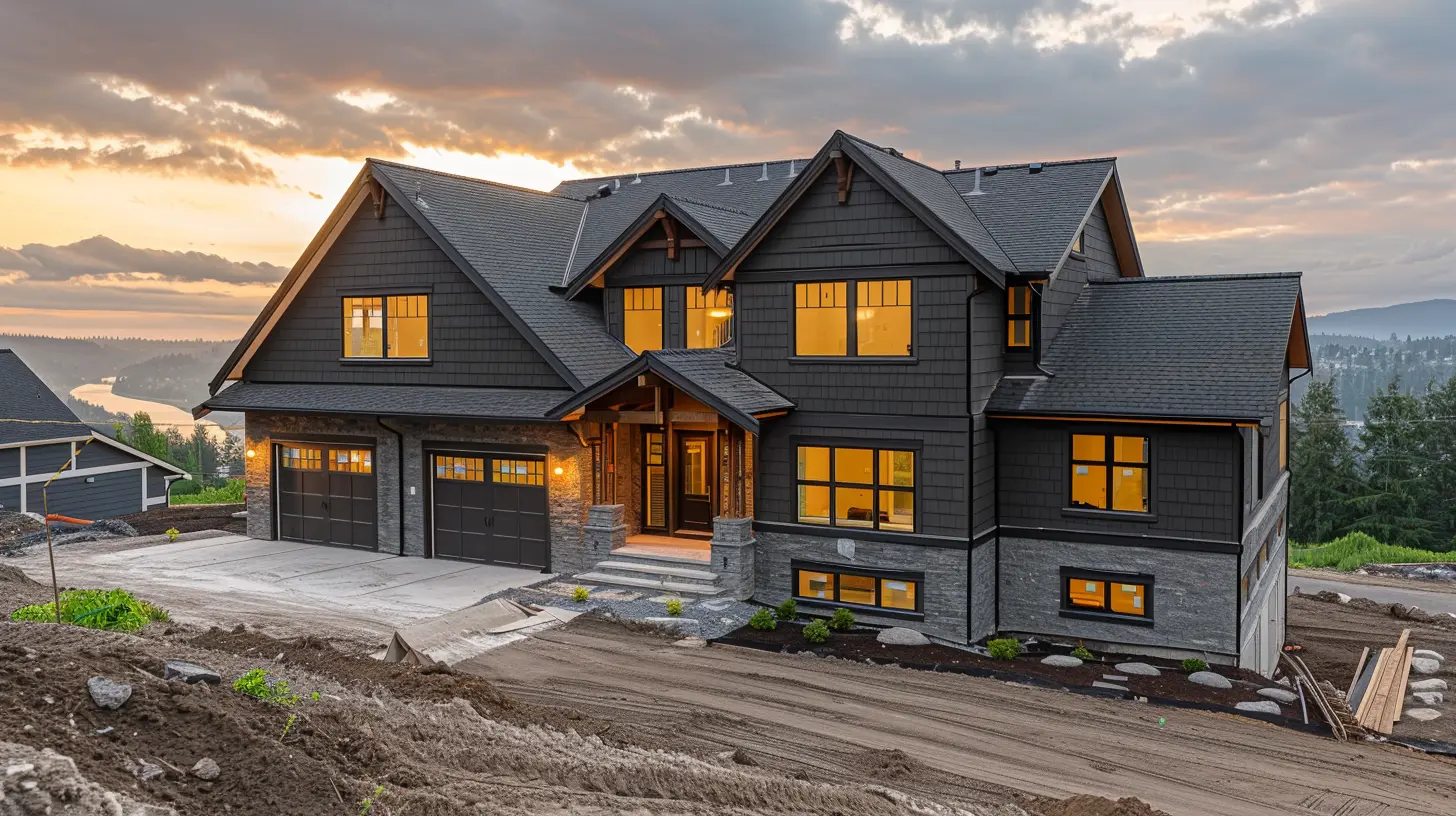
How Building Permits Affect Property Value
1. Increased Property Value with Proper Permits
If you've done renovations or improvements with the proper permits, you’re in luck. These legally approved upgrades can directly boost your property’s value when it comes time to sell.For instance, adding a new bedroom, expanding the kitchen, or constructing a deck—all with the necessary permits—can make your home more attractive to buyers. Why? Because buyers feel confident knowing the work was done properly and won’t come with hidden risks.
Permitted work adds credibility and legitimacy to your property. Think of it like a warranty on a new car—it reassures the next owner that everything is in order, making them more willing to pay a premium.
2. Unpermitted Work Can Decrease Property Value
On the flip side, unpermitted renovations can drag down your home’s value and make it harder to sell. While skipping permits might save you time and money in the short term, it could cost you a lot more in the long run.Here’s why:
- Buyers get nervous – Many homebuyers (or their real estate agents) will check if permitted work was done. If something looks off, they may walk away or demand a lower price.
- Mortgage and insurance issues – Some lenders and insurance companies won’t touch homes with unpermitted work, making financing or coverage difficult.
- Potential legal troubles – If the city finds out you’ve made unapproved changes, they can issue fines or even order you to remove the work.
In essence, cutting corners could cost you thousands when you try to sell.
3. Permits Provide Proof of Quality Work
Think about it—when you buy a used car, you probably prefer one with service records proving it was well-maintained. The same concept applies to homes.Having permits on file shows that the work was done by licensed professionals, following industry standards. This documentation gives buyers peace of mind, making them more likely to pay top dollar for your property.
Without permits, buyers might suspect poor craftsmanship, faulty wiring, or even structural issues, which can lead to lower offers or lost deals altogether.
4. Permits Help Avoid Price Negotiations & Inspection Issues
When selling a home, buyers typically conduct a home inspection before closing the deal. If an inspector discovers unpermitted renovations, it can lead to major headaches.In many cases, buyers will:
✅ Ask for a lower price to cover the costs of getting the work properly permitted.
✅ Demand the seller fix the issue before closing the deal.
✅ Back out of the deal altogether, forcing you to relist the property.
All of this can slow down the sale process and reduce your final selling price.
Having the right permits eliminates these risks and makes for a smoother transaction.
5. Permits Ensure Compliance with Zoning and Safety Codes
One of the main reasons permits exist is to ensure that renovations comply with local zoning laws and safety regulations. If you build something without approval, you might be violating these laws—leading to fines, legal issues, or even a forced teardown.Picture this: You build an extra bedroom without a permit, but later the city finds out. They could:
🔴 Charge hefty fines
🔴 Order you to stop work immediately
🔴 Force you to correct the issue—or worse, tear it down
That’s a nightmare scenario that can easily be avoided by following the proper permitting process. 
What Happens If You Sell a Home with Unpermitted Work?
If you’re planning to sell a home with unpermitted renovations, be prepared for some challenges:- Lower offers – Buyers know they’ll have to deal with the issue, so they may offer less.
- Financing problems – Some banks refuse to grant mortgages for homes with unpermitted work.
- Legal liabilities – As a seller, you might have to disclose the unpermitted work, which can cause trust issues with buyers.
Bottom line? Unpermitted work is a gamble, and more often than not, it hurts property value rather than helping it. 
How to Handle Unpermitted Work
If you already have unpermitted renovations, don’t panic. You have options:🏡 Get it retroactively permitted – Many cities allow you to apply for a permit after the work is completed. This usually involves an inspection and might require changes to meet code.
🏡 Sell the home “as-is” – Just be upfront about the lack of permits and expect to adjust your asking price accordingly.
🏡 Negotiate with buyers – If a buyer really loves your property, they might be willing to take on the issue themselves, but this often means a lower price.
The Takeaway: Are Permits Worth It?
Absolutely. While getting building permits might seem like a hassle, they are essential for long-term value. They:✔ Increase property value
✔ Ensure safety and compliance
✔ Make selling easier
✔ Give buyers confidence in the quality of renovations
Skipping permits may seem like an easy way to cut costs, but in reality, it can severely impact your property’s value and marketability when it’s time to sell. In real estate, shortcuts often lead to setbacks—so do yourself (and your wallet) a favor and get the necessary permits.
all images in this post were generated using AI tools
Category:
Building PermitsAuthor:

Basil Horne
Discussion
rate this article
2 comments
Orion Collins
Oh sure, because who wouldn’t want their property value soaring like a balloon at a kid’s birthday party just because they finally got that building permit? Forget location, it’s all about the magical power of red tape!
March 13, 2026 at 4:32 AM
Basil Horne
While permits can influence value, location and market demand are still key factors. The process may seem tedious, but it often leads to more stable investments.
Dolores Cooper
Building permits enhance property value by ensuring safety and compliance with regulations.
February 25, 2026 at 5:08 AM
Basil Horne
Thank you for your comment! Absolutely, building permits play a crucial role in maintaining safety and compliance, which ultimately boosts property value.