Home Design for Entertaining: Spaces That Make Hosting Easier
13 November 2026
Entertaining at home can be one of life's greatest pleasures. Whether it's a casual gathering with friends or a formal dinner party, the right home design can significantly enhance the experience. This article dives into how to create spaces that facilitate hosting, making your home a welcoming environment for guests.
Understanding the Importance of Space
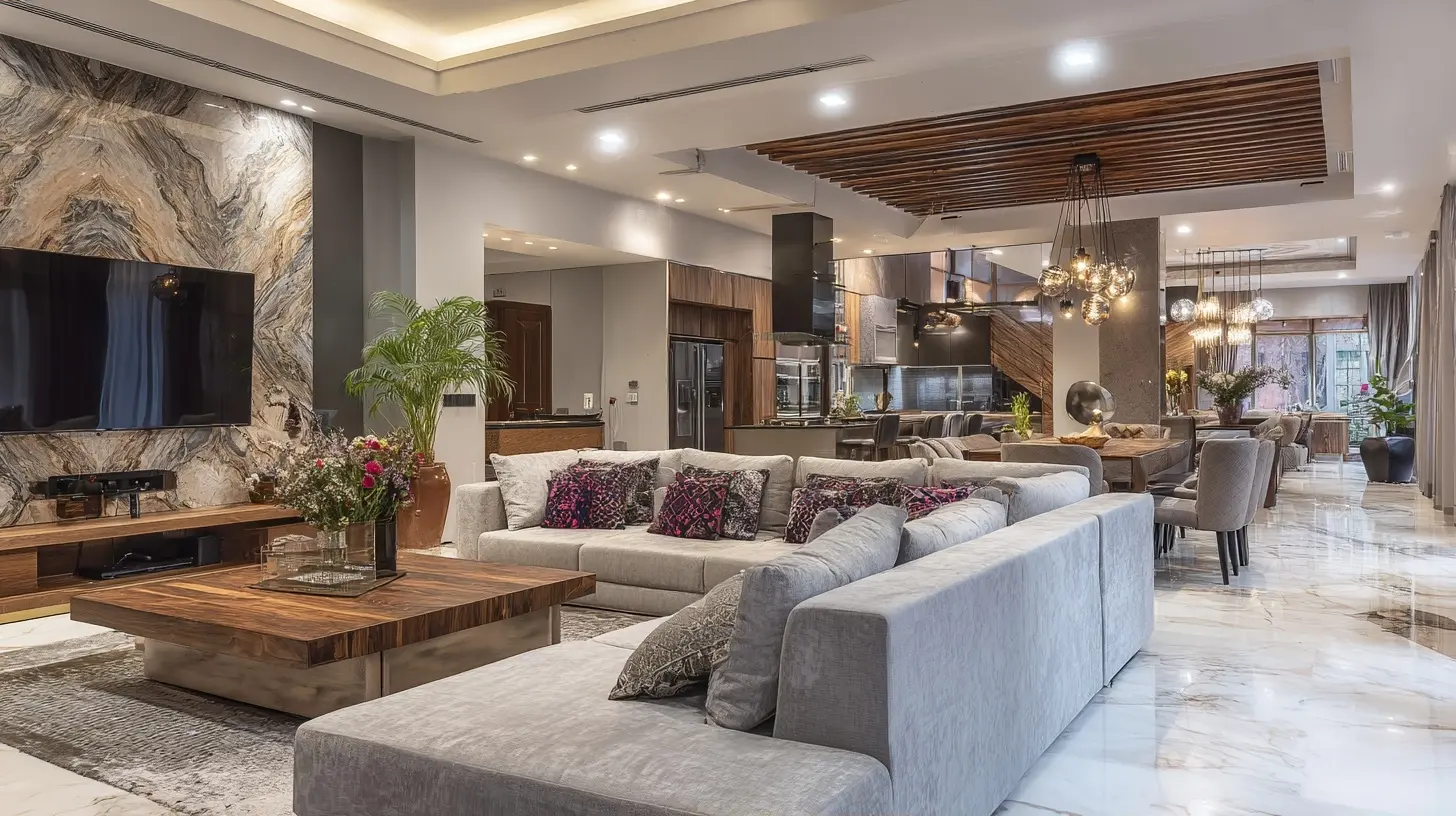
Before diving into specific design elements, let's consider why space matters. The layout and flow of a home can dictate how easily you can entertain. A well-designed space promotes interaction, comfort, and accessibility. Think about how people move through your home during gatherings. Are there bottlenecks? Is it easy for guests to mingle?The Role of Open Floor Plans
Open floor plans have gained popularity for a reason. They allow for seamless transitions between cooking, dining, and socializing. In an open space, conversations can flow freely, and it becomes easier to engage with guests no matter where you are. However, this layout comes with trade-offs.Pros of Open Floor Plans
- Enhanced Interaction: Guests can easily engage with each other and the host.- Flexible Use: Space can be rearranged for different occasions.
- Natural Light: Open spaces often allow for more light, creating an inviting atmosphere.
Cons of Open Floor Plans
- Noise Levels: Sound travels easily, which can be overwhelming during larger gatherings.- Lack of Privacy: If you need a quiet space for a moment, it can be hard to find.
Defining Zones
If you opt for an open floor plan, consider defining zones within that space. Use furniture, rugs, or even lighting to create distinct areas for cooking, dining, and lounging. This not only helps in organizing activities but also gives each area its own ambiance.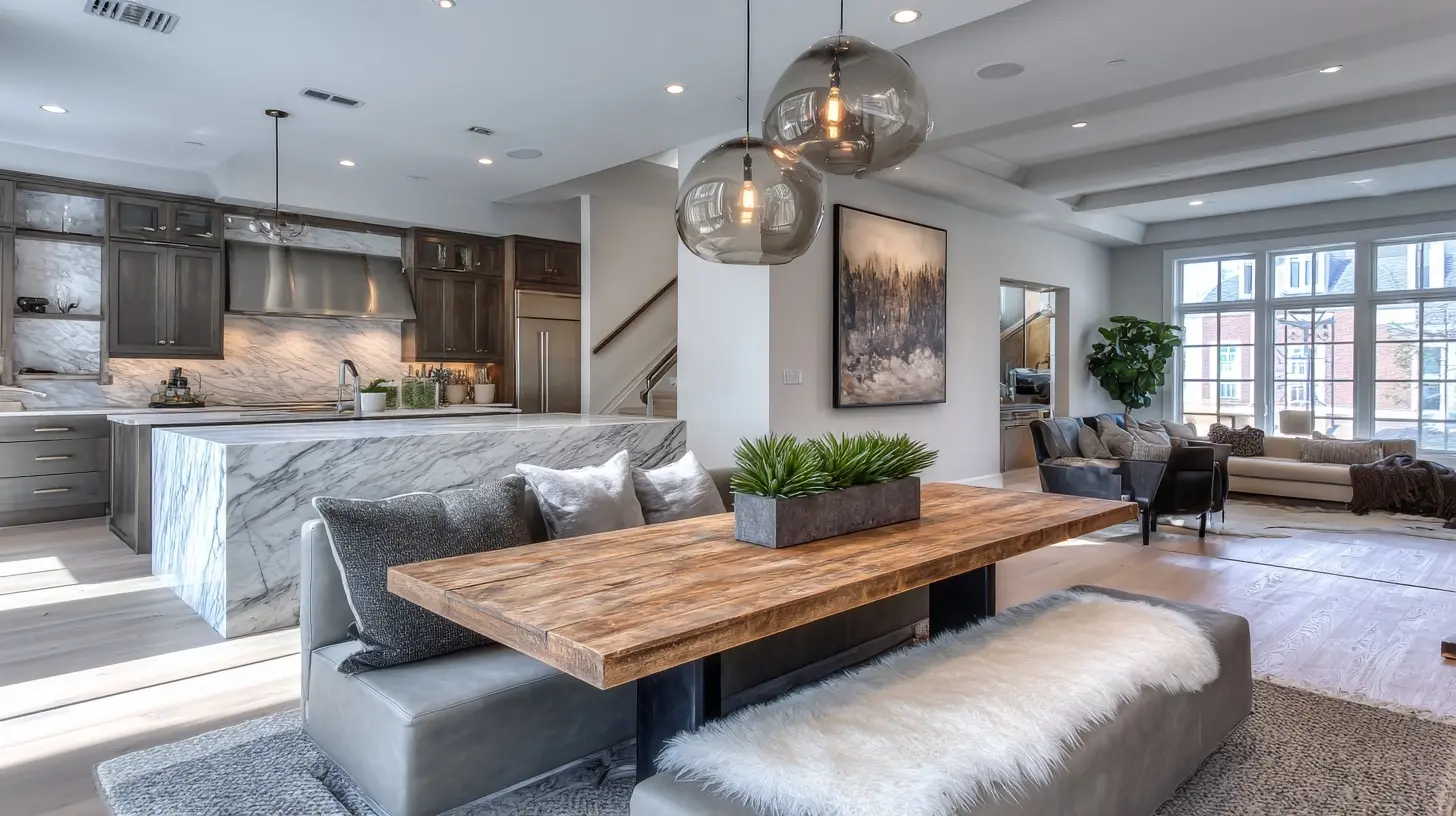
The Kitchen: The Heart of the Home
The kitchen is often the focal point when entertaining. A well-designed kitchen can facilitate cooking and conversation simultaneously.Layout Considerations
When designing your kitchen, consider the work triangle: the optimal distance between the stove, sink, and refrigerator. This layout minimizes movement and makes cooking more efficient.Island vs. Peninsula
Many kitchens now feature islands or peninsulas. An island can serve multiple purposes: additional counter space, a casual dining area, or a gathering spot for guests. Conversely, a peninsula connects the kitchen to the dining area, providing a more defined boundary. Consider your space and how you want guests to interact with you while you cook.Storage Solutions
A cluttered kitchen can detract from the entertaining experience. Invest in smart storage solutions like pull-out shelves, lazy Susans, and drawer dividers. Keeping counters clear allows for more space to prepare food and set out drinks.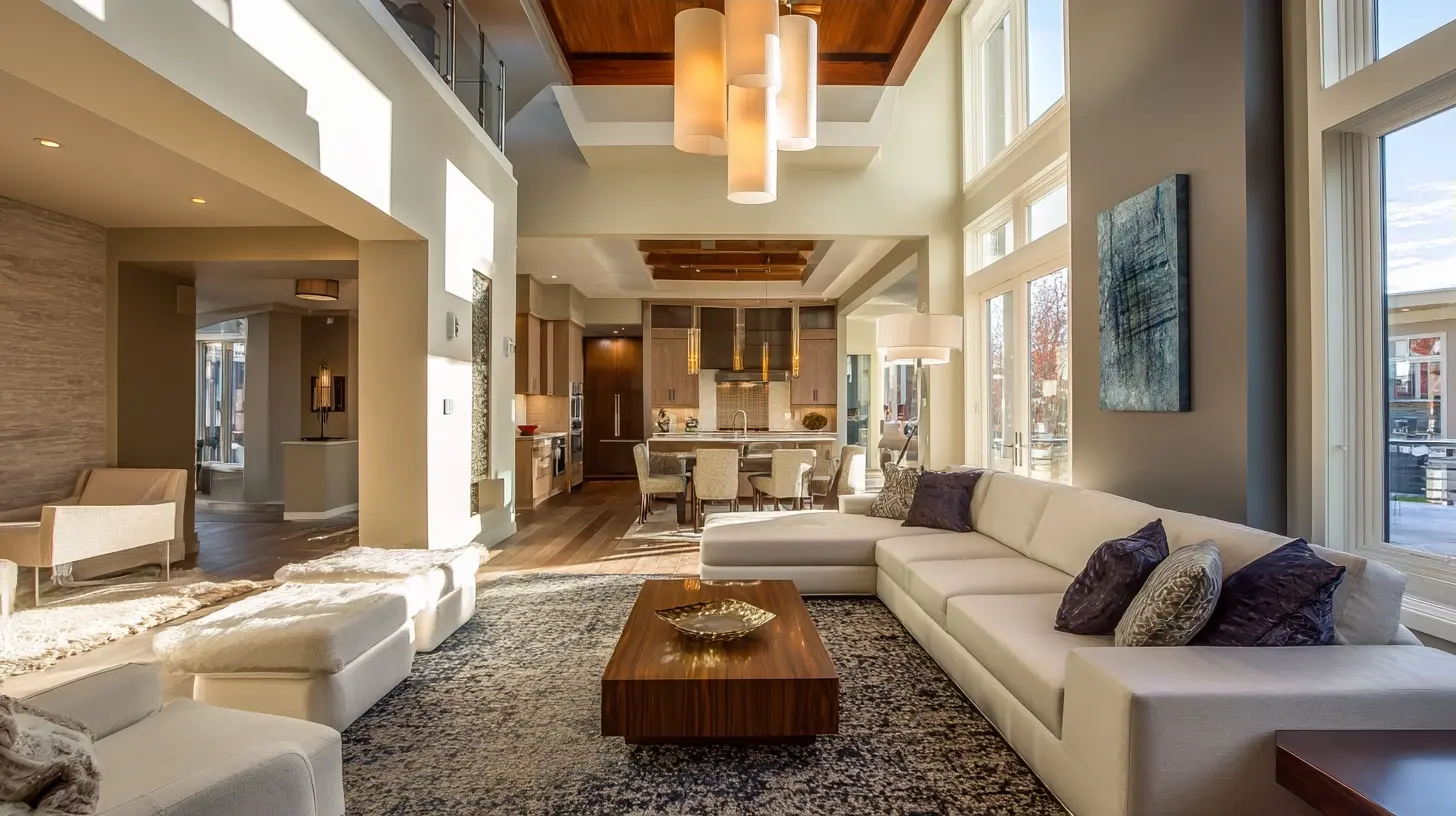
Dining Areas: Setting the Scene
Once your guests are ready to sit down, the dining area becomes crucial. This space should be designed for comfort and conversation.Table Size and Shape
The size and shape of your dining table can affect the atmosphere significantly. A round table promotes conversation and makes it easier for guests to engage with one another. A rectangular table is more traditional and can accommodate more people but may create a divide between guests seated at opposite ends.Considerations for Seating
Comfort is key. Ensure that chairs are comfortable enough for guests to linger over dinner. Adding cushions or selecting ergonomic designs can enhance the experience.Ambiance Through Lighting
Lighting plays a vital role in setting the mood. Dimmer switches allow you to adjust the brightness based on the occasion. Pendant lights can create a focal point above the dining table, while candles add warmth and intimacy.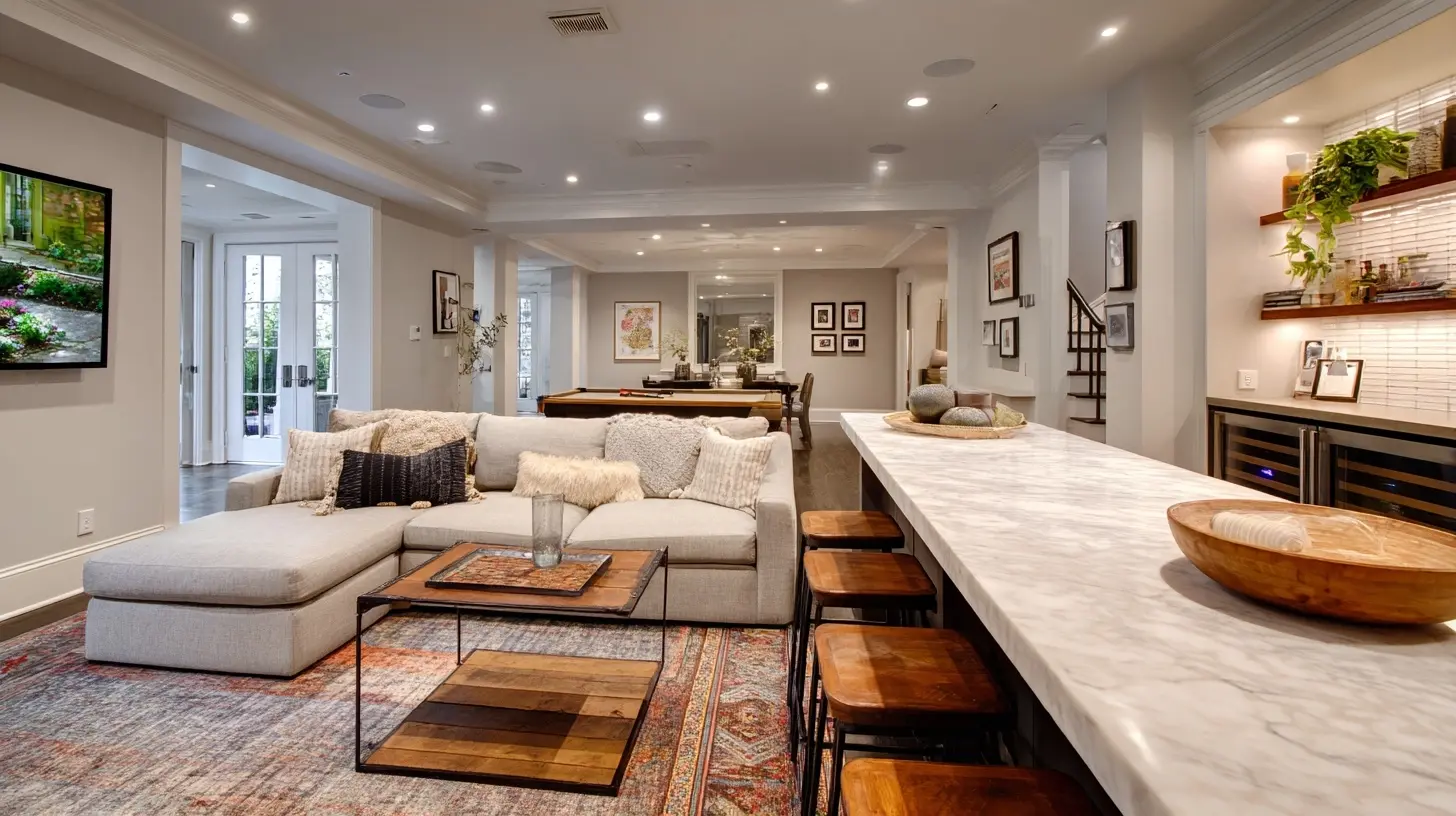
Living Spaces: Creating Comfort
The living area is where guests will likely gather before and after meals. Designing this space for comfort and interaction is essential.Furniture Arrangement
Arrange seating to encourage conversation. Avoid placing furniture against the walls; instead, create intimate groupings. A central coffee table can serve as a focal point for drinks and snacks, making it easier for guests to reach for refreshments.Multi-Functional Furniture
Consider using multi-functional furniture, such as ottomans that can double as seating or storage. This maximizes space and provides versatility for different gatherings.Outdoor Spaces: Extending Your Home
If you have outdoor space, leverage it for entertaining. An outdoor area can provide a refreshing change of scenery and can often accommodate larger groups.Patio Design
A well-designed patio can serve as an extension of your indoor living space. Invest in comfortable outdoor furniture and consider adding elements like fire pits or outdoor kitchens. These features can make your outdoor area more inviting and functional.Weather Considerations
Always keep weather in mind when planning outdoor gatherings. Provide shade with umbrellas or pergolas, and consider heating elements for cooler evenings. Having a backup plan, like an indoor space ready for guests, can alleviate stress.
Technology and Entertainment
In today's world, technology can enhance the entertainment experience. Consider how you can integrate tech into your design.Sound Systems
A quality sound system can set the tone for your gathering. Consider installing a multi-room audio system that allows you to control music in different areas of your home. This can create a cohesive atmosphere throughout your gathering.Smart Home Features
Smart home technology can streamline the hosting process. Smart lighting can adjust automatically based on the time of day, and smart thermostats can maintain a comfortable temperature. These features can make your home more convenient and enjoyable for both you and your guests.Common Mistakes to Avoid
Even the best-laid plans can go awry. Here are some common mistakes to watch out for when designing your entertaining spaces.Overcrowding
One of the biggest mistakes is overcrowding your space with furniture. Ensure there is enough room for guests to move around comfortably. A cramped environment can lead to a less enjoyable experience.Ignoring Flow
Consider how guests will move through your home. Avoid placing furniture in a way that obstructs pathways. Ensure that food and drinks are easily accessible without creating traffic jams.Neglecting Accessibility
If you have guests with mobility challenges, ensure your space is accessible. This might mean leaving wider pathways, ensuring seating is easy to get in and out of, or even considering a single-level layout.
Final Thoughts
Designing a home for entertaining is about creating an atmosphere where guests feel comfortable and engaged. By considering flow, comfort, and functionality, you can craft spaces that not only make hosting easier but also create lasting memories.Think about your lifestyle and how you want to entertain. Each home is unique, and your design should reflect your personality and preferences while accommodating your guests.
all images in this post were generated using AI tools
Category:
Home DesignAuthor:

Basil Horne
Discussion
rate this article
1 comments
Quill Walker
This article really captures the essence of creating inviting spaces for entertaining. I love the emphasis on functionality alongside style. It's inspiring to see how thoughtful design can enhance gatherings and make hosting feel effortless. Thanks for sharing such valuable insights!
November 13, 2026 at 3:43 AM