Eco-Friendly Renovation Ideas for Your Fixer Upper
31 January 2026
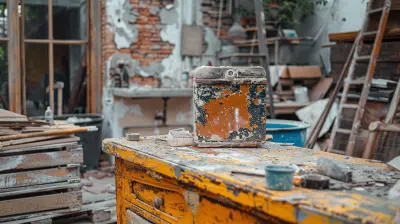
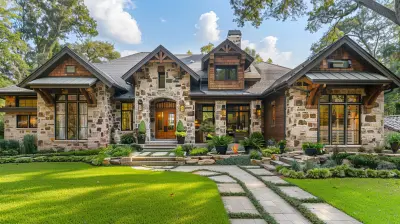
If you’ve got a fixer-upper on your hands, congratulations! You’re about to embark on a journey full of possibilities. But before you dive into your big renovation plans, let’s talk about something that’s good for your home, your wallet, and, well… the planet. That’s right—eco-friendly renovation ideas!
Going green doesn’t mean sacrificing style or comfort. In fact, it’s quite the opposite. Eco-friendly upgrades can add serious value to your home, lower energy bills, and create a healthier space to live. Plus, it feels pretty good knowing you’re doing your part for Mother Earth.
So grab a cup of coffee (or maybe a paintbrush), and let’s look at some innovative ways to give your fixer-upper the green treatment it deserves.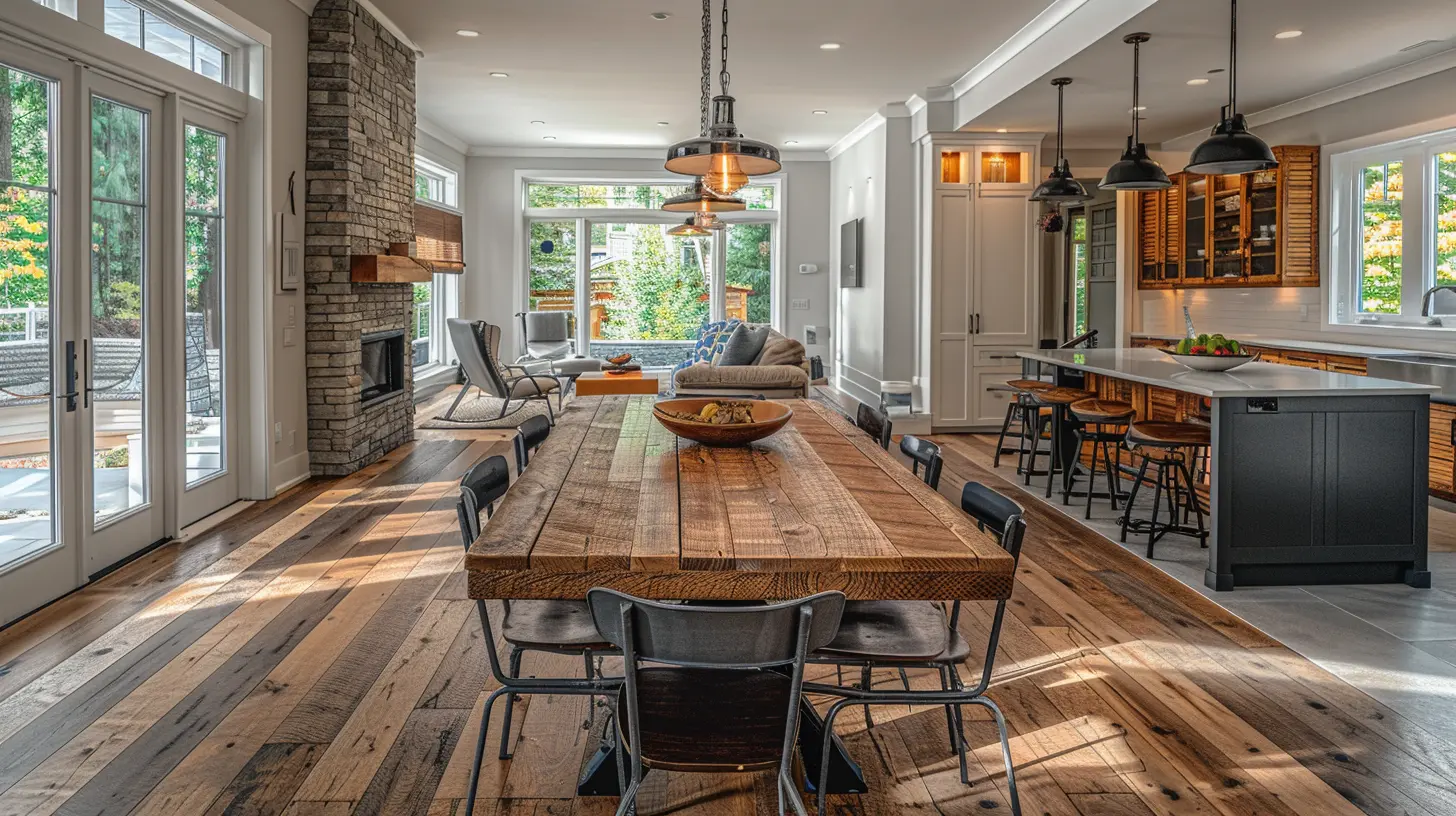
Why Eco-Friendly Renovations Make Sense
Why should you care about eco-friendly renovation ideas? It’s about more than just chasing trends. Think of it as adding layers to your home’s legacy. The choices you make today can save resources, reduce waste, and ensure the home you’re working on remains sustainable for years to come.Oh, and let’s not forget the financial perks. Energy-efficient upgrades often pay for themselves over time via lower utility costs. And if you decide to sell your home later? Buyers love eco-conscious features—it’s like giving your house a pair of brand-new designer shoes.
Now, let’s dive into the nitty-gritty and explore some practical, wallet-friendly ways you can make your fixer-upper eco-friendly.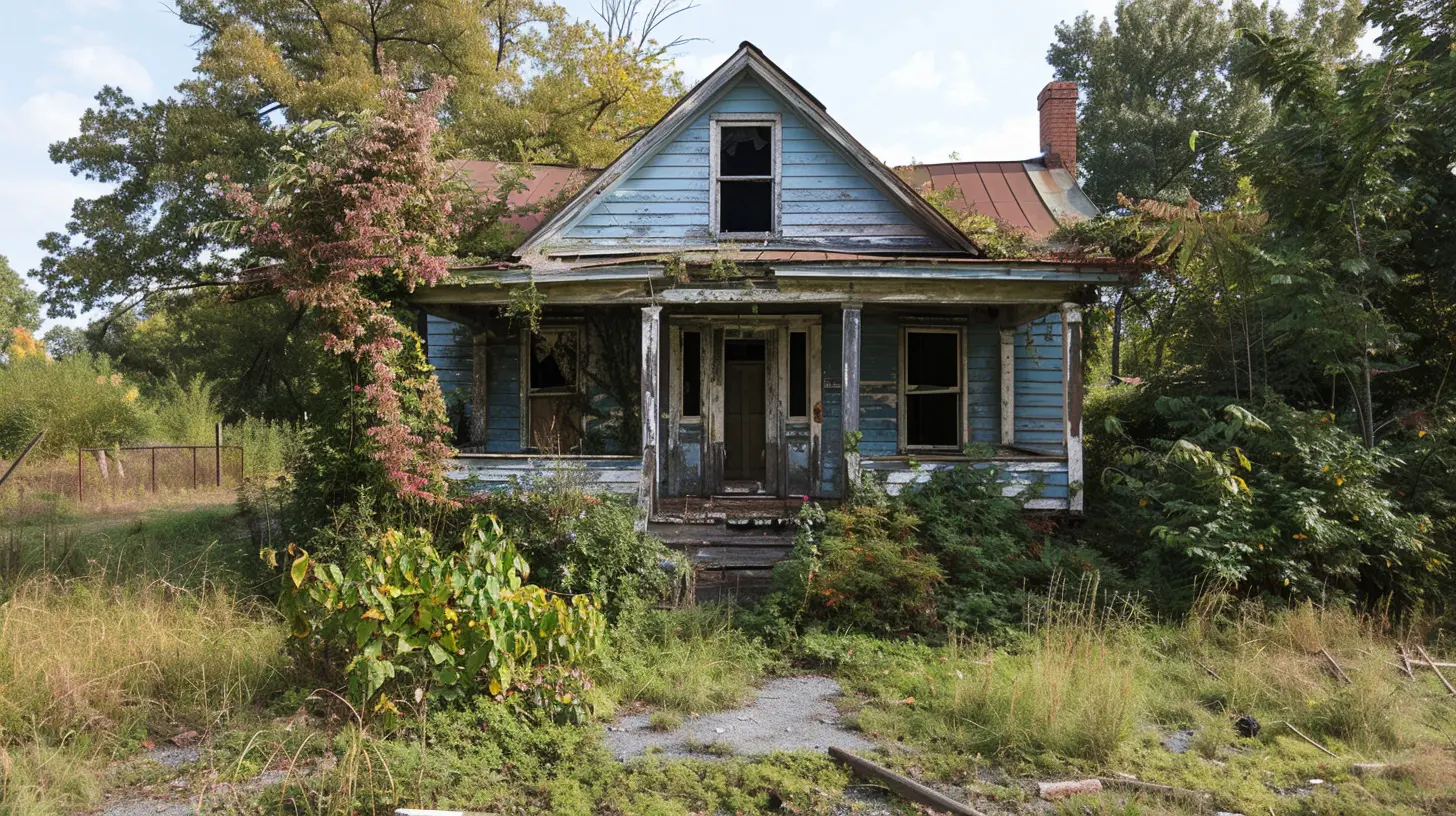
Start with an Energy Audit (It’s Like a Check-Up for Your Home)
Before you start tearing down walls or picking out paint colors, pause for a moment. Consider getting an energy audit done. It’s a great way to assess your home’s current energy efficiency and figure out where you’re losing the most heat, electricity, or money.An energy audit isn’t just for super techy homes—it’s for anyone who wants to make smarter renovation decisions. You’ll get recommendations like sealing leaks, upgrading insulation, or even switching to energy-efficient windows. Think of it as creating a solid game plan before the fun part begins. 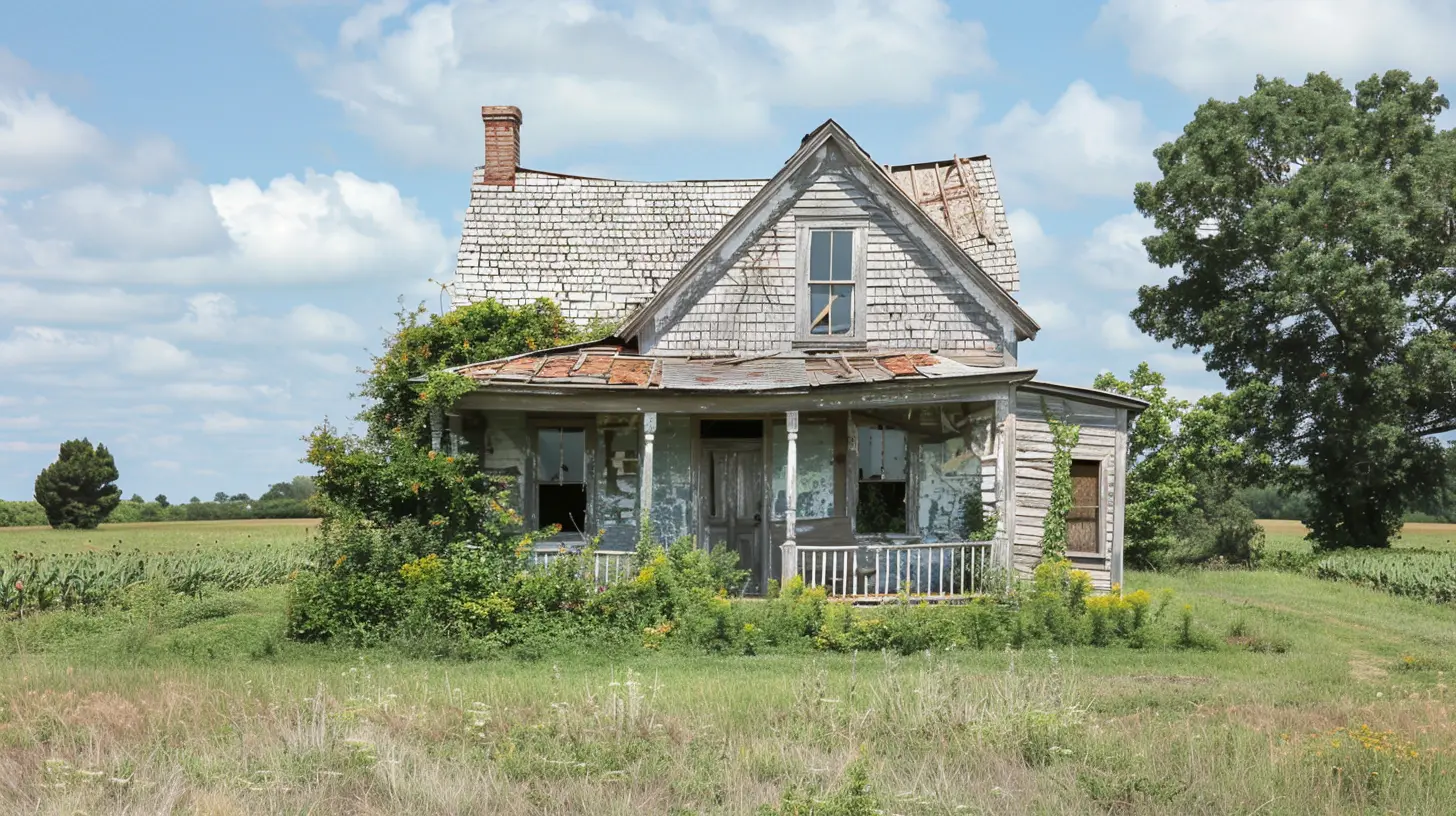
Efficient Insulation: Don’t Let Money Fly Out the Walls
Insulation is like your home’s winter coat—it keeps the warm air in and the chilly air out. If your fixer-upper doesn’t have proper insulation, you’re basically burning dollar bills to keep warm.Opt for eco-friendly insulation materials like recycled denim, sheep’s wool, or even blown-in cellulose (made from recycled newspapers). They work just as well as traditional materials but are way easier on the planet.
Pro Tip:
Seal up any drafty spots around doors, windows, and your attic. It’s a small move that makes a big difference.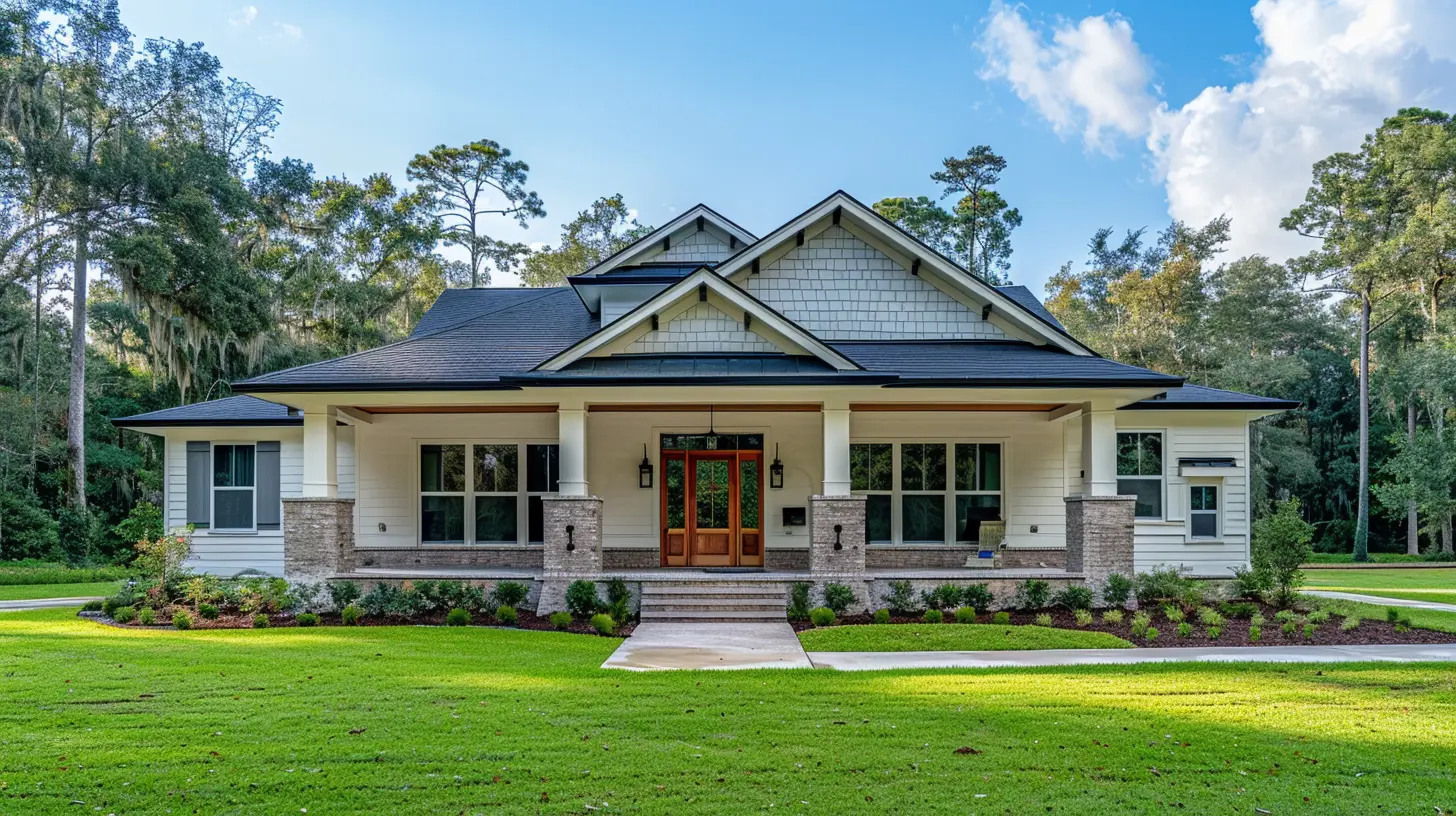
Low-VOC Paints: Breathe Easy
Let’s talk about walls. A fresh coat of paint can do wonders for a fixer-upper. But did you know traditional paints can be full of nasty chemicals called volatile organic compounds (VOCs)?Low-VOC or zero-VOC paints are the way to go. They’re better for air quality, which means fewer toxins floating around your home. Plus, they’re available in every color under the sun—so you don’t have to sacrifice style to go green.
Go Solar (Or Start Small)
Yes, solar panels are a bigger investment up front, but they’re one of the best ways to seriously cut down on energy costs. Think of them like the hero cape for your fixer-upper.Not ready to go full solar? That’s cool. Start with solar-powered outdoor lights or chargers for smaller gadgets. Every little bit helps!
Salvage and Reuse: Old is the New New
When renovating your fixer-upper, look for ways to reuse materials. Salvaged wood, reclaimed bricks, or even upcycled furniture can give your home a unique, one-of-a-kind vibe.Check out architectural salvage yards or even online marketplaces. You’d be surprised what people throw out. One person’s trash? Totally your future treasure.
Water-Saving Fixtures: Small Tweaks, Big Results
Water is one of our most precious resources, so why not make your home a little smarter about using it? Switching to water-efficient fixtures like low-flow showerheads, faucets, and dual-flush toilets can make a massive difference without compromising your daily routine.Bonus Points:
Install a rain barrel to collect water for your garden. It’s an easy way to cut back on water usage while keeping your plants happy.Energy-Efficient Windows: The Eyes of Your Home
Old windows? They may have charm, but they’re likely energy hogs, too. Swapping out old single-pane windows for energy-efficient double or triple-pane ones can save a ton on heating and cooling costs.If replacing the windows completely isn’t in the cards, no worries. Add weatherstripping or window film as a temporary solution. It’s affordable and helps keep your home comfy year-round.
LED Lighting: Bright Idea, Literally
Still rocking traditional light bulbs? It’s time for an upgrade. LED lights are energy-efficient, last way longer, and save you money in the long run.From recessed lighting to quirky pendant fixtures, LEDs come in all shapes and sizes. Plus, they’re way better for the environment than those old-school incandescent bulbs.
Eco-Friendly Flooring: Step Up Your Game
Flooring is one of the first things people notice when they step into a home. So why not impress them with something sustainable?Look for options like bamboo (it grows fast and is super durable), cork, or reclaimed hardwood. Bonus: These materials usually have fewer chemicals than traditional flooring, making them healthier for you and your family.
Smart Home Technology: Green Living with a Geeky Twist
Okay, let’s get nerdy for a second. Adding smart home gadgets to your fixer-upper doesn’t just make life more convenient—it can also save energy.Install a smart thermostat to optimize heating and cooling or use smart plugs to cut energy vampires (those sneaky devices that use power even when turned off). It’s like giving your home a brain, and a green one at that.
Native Landscaping: Let Nature Do the Work
Renovating the outside of your fixer-upper? Go for native plants in your landscaping. They’re adapted to your area’s climate, which means they need less water, fertilizer, and maintenance.Plus, a yard full of native plants can attract pollinators like bees and butterflies, turning your fixer-upper into a tiny eco-haven.
The Power of Composting
While we’re on the subject of your yard, let’s talk about composting. Setting up a compost bin is easier than you think, and it’s a great way to give back to the Earth.You can use the compost to fertilize your garden or lawn naturally. Bonus: You’ll reduce the amount of waste you send to the landfill. It’s a win-win.
Slow and Steady Wins the Race
Here’s the truth—renovations, especially eco-friendly ones, take time. You don’t have to tackle everything at once. Small, consistent changes add up over time. Plus, let’s be real: Who has the budget to do it all in one go?Start with what’s most urgent or easiest to do. Maybe that’s sealing up drafts or swapping out old light bulbs. Whatever it is, just start.
Wrapping It Up
Renovating your fixer-upper with eco-friendly ideas isn’t just a trend—it’s a lifestyle shift. It’s about making choices that are better for the planet and healthier for you and your family.From energy-efficient windows to salvaged materials, there’s no shortage of ways to go green. Plus, you’ll have the satisfaction of knowing your hard work is making a difference.
So, roll up your sleeves, grab your tools, and get to work. Your fixer-upper—and the Earth—will thank you.
all images in this post were generated using AI tools
Category:
Fixer UppersAuthor:

Basil Horne
Discussion
rate this article
2 comments
Lexi McQuade
This article beautifully highlights the importance of sustainable living. Embracing eco-friendly renovations not only enhances our homes but also nurtures our planet. Thank you for sharing such inspiring ideas for our fixer-uppers!
February 20, 2026 at 11:28 AM
Basil Horne
Thank you for your thoughtful comment! I'm glad you found the ideas inspiring for both your home and the planet.
Zeke Hurst
Prioritize sustainability for lasting value.
February 5, 2026 at 3:28 AM
Basil Horne
Absolutely! Sustainable choices not only benefit the environment but also enhance the long-term value of your renovation.