Building Permits for Energy-Efficient Homes: What’s Required?
16 August 2026
Building an energy-efficient home is a smart investment—both for the environment and your wallet. But before you break ground, there’s one big hurdle you need to clear: building permits. Without the right approvals, your dream of an eco-friendly home could hit serious roadblocks.
So, what exactly do you need to know about getting a building permit for an energy-efficient home? Let’s break it down in plain English.
Why Do You Need a Building Permit?
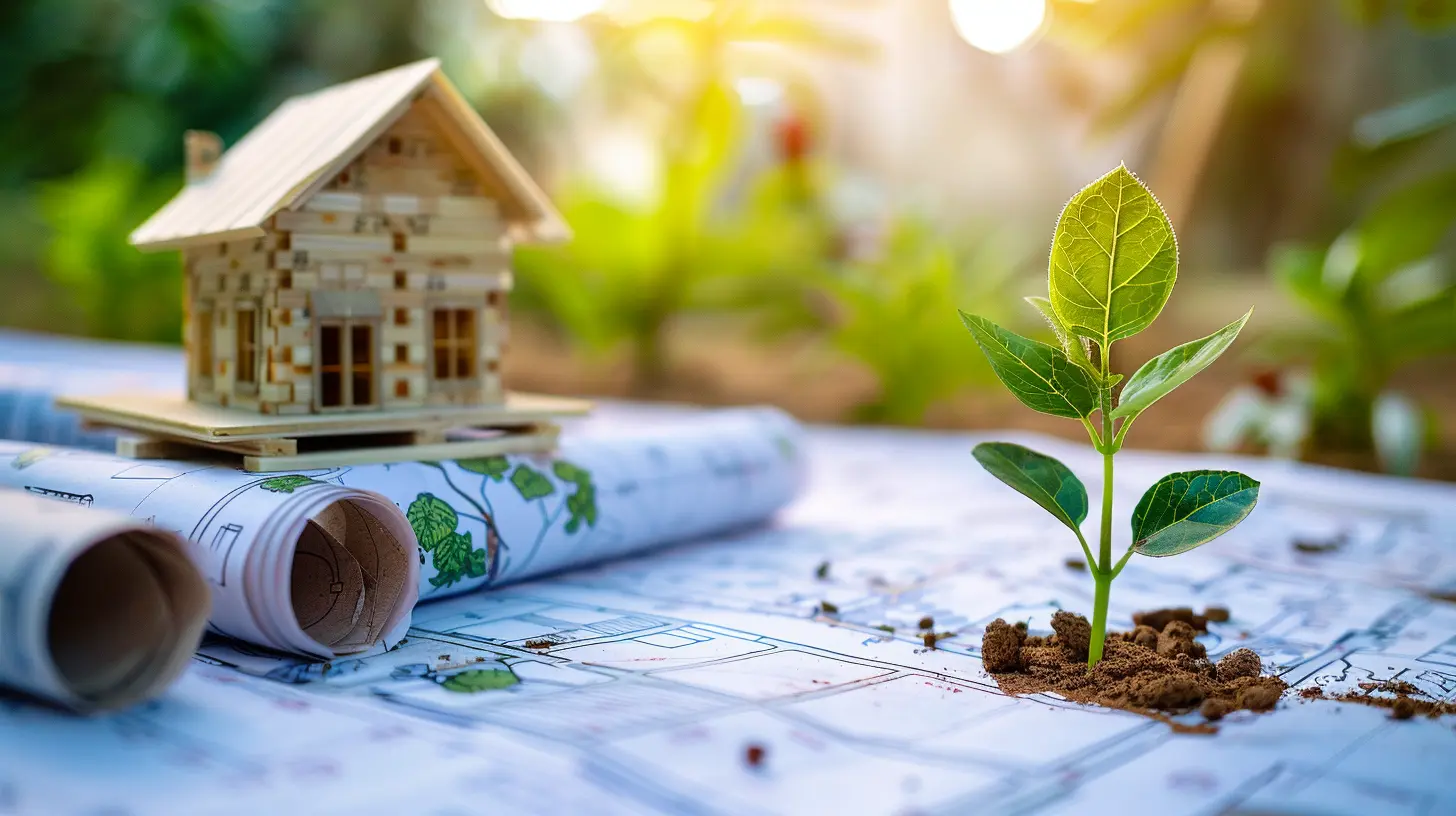
A building permit isn’t just a piece of paper—it’s a legal requirement. It ensures that your home meets local building codes, zoning laws, and safety standards.When it comes to energy-efficient homes, permits are even more critical. Why? Because energy-efficient designs often involve innovative materials, cutting-edge technology, and new construction methods that local officials need to evaluate.
Without the right permits, you could face hefty fines, delays, and even demolition orders. So, getting all your paperwork in order upfront is essential.
What Permits Are Required for an Energy-Efficient Home?
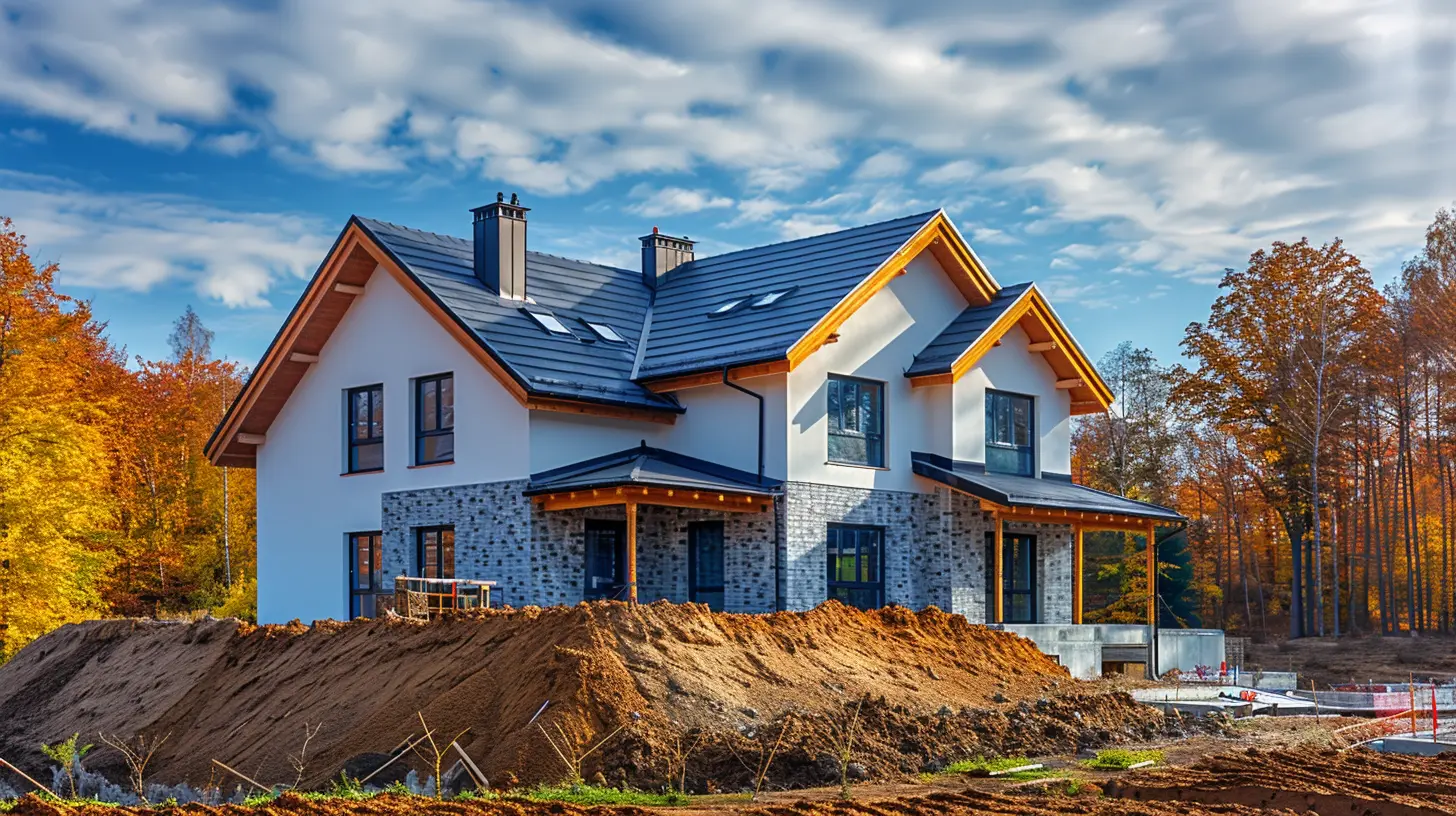
Building an energy-efficient home involves multiple permits, depending on your location and the specific features of your design. Here are the most common ones:1. General Building Permit
A general building permit is required for any new construction. This proves that your home meets structural integrity and safety standards.For energy-efficient homes, building authorities will check:
- Insulation requirements
- Foundation and framing methods
- Ventilation and air sealing
2. Energy Code Compliance Permit
Many state and local governments have specific energy codes that builders must follow. This permit ensures your home meets energy efficiency standards, such as:- Proper insulation levels
- High-efficiency windows and doors
- Adequate HVAC system performance
3. Mechanical, Electrical, and Plumbing (MEP) Permits
Energy-efficient homes often include advanced mechanical, electrical, and plumbing systems. Each of these may require its own permit.For example:
- HVAC Permits – If installing a geothermal heat pump or energy-efficient furnace
- Electrical Permits – For solar panel installations or smart home wiring
- Plumbing Permits – If using water-saving fixtures or a greywater system
4. Solar and Renewable Energy Permits
If you’re planning to install solar panels, wind turbines, or other renewable energy systems, you’ll likely need additional permits. These ensure your system is safely integrated with the local power grid and meets all zoning laws.5. Zoning and Land Use Permits
Your local zoning office will have rules about how land can be used. If your energy-efficient home involves something non-traditional (like an off-grid setup), you may need zoning approvals.These permits dictate:
- Where you can build on your property
- Home size and height restrictions
- Allowed energy sources (like wind or solar)
6. Green Building Certifications (Optional but Beneficial)
While not necessarily required, pursuing certifications like LEED (Leadership in Energy and Environmental Design) or ENERGY STAR can give your home added value. Some cities offer expedited permit approval for certified green buildings.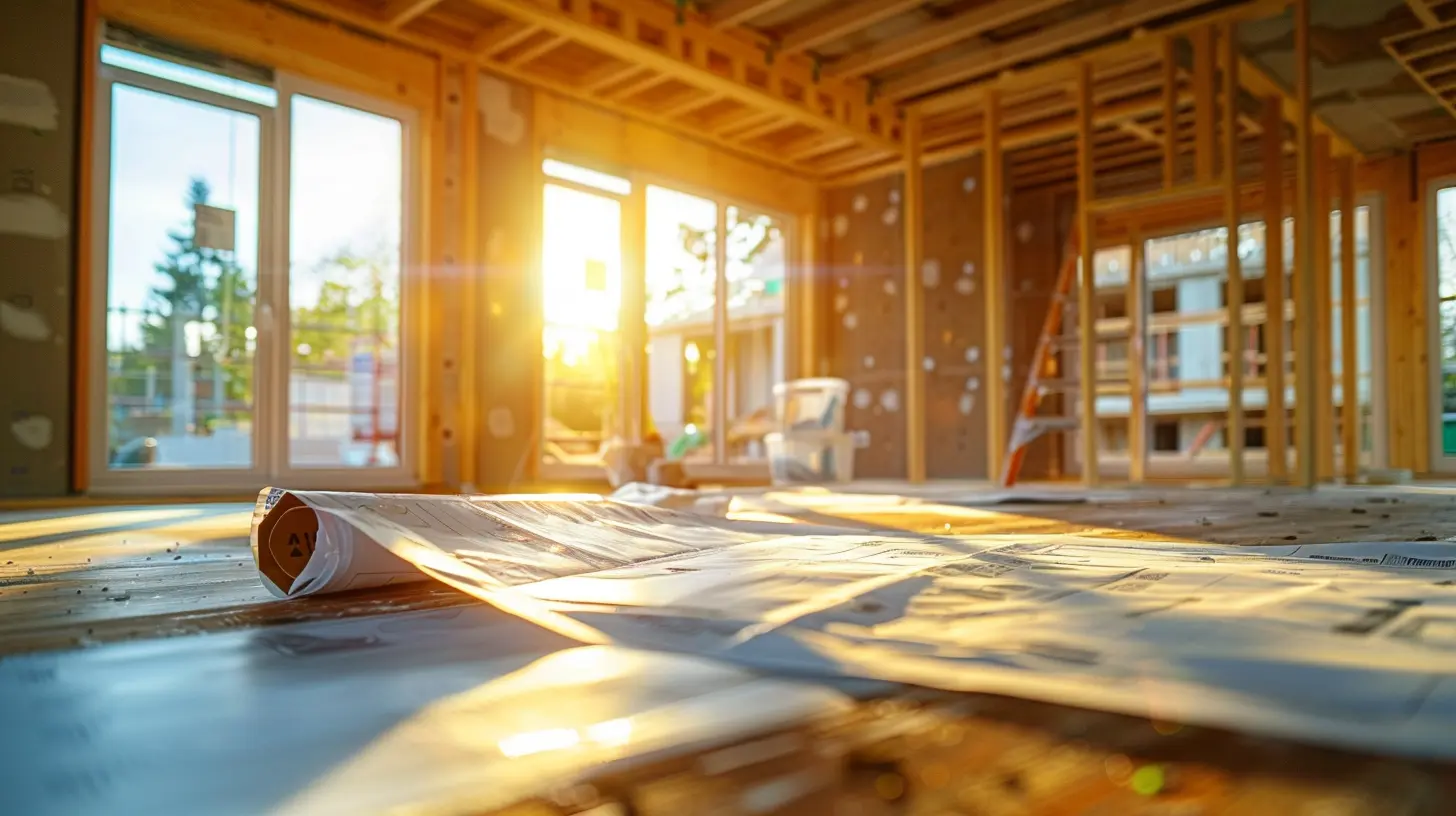
How to Apply for Building Permits
Getting permits might seem overwhelming, but breaking it into steps makes it easier.Step 1: Research Local Building Codes
Every city, county, and state has different rules. Start by checking your local building department’s website for up-to-date permit requirements.Step 2: Prepare Your Plans
The more detailed your plans, the smoother the permit process will be. Work with an architect or contractor to create blueprints that show:- Structural design
- Materials and insulation details
- Energy-efficient features
Step 3: Submit Your Permit Application
Most permitting offices allow online submissions these days. Your application will typically include:- Completed forms
- Construction drawings
- Site plans
- Energy calculations (if required)
Step 4: Pay Fees
Permits aren’t free. Costs vary based on your location and the scope of your project. Some areas offer rebates for energy-efficient upgrades, so check if you qualify for savings.Step 5: Schedule Inspections
Once your permits are approved, you’ll need inspections at different stages of construction. These ensure you’re following the approved plans and sticking to energy efficiency standards.Step 6: Obtain Final Approval
Once everything checks out, you’ll receive a Certificate of Occupancy or equivalent approval—meaning your energy-efficient home is officially ready to live in!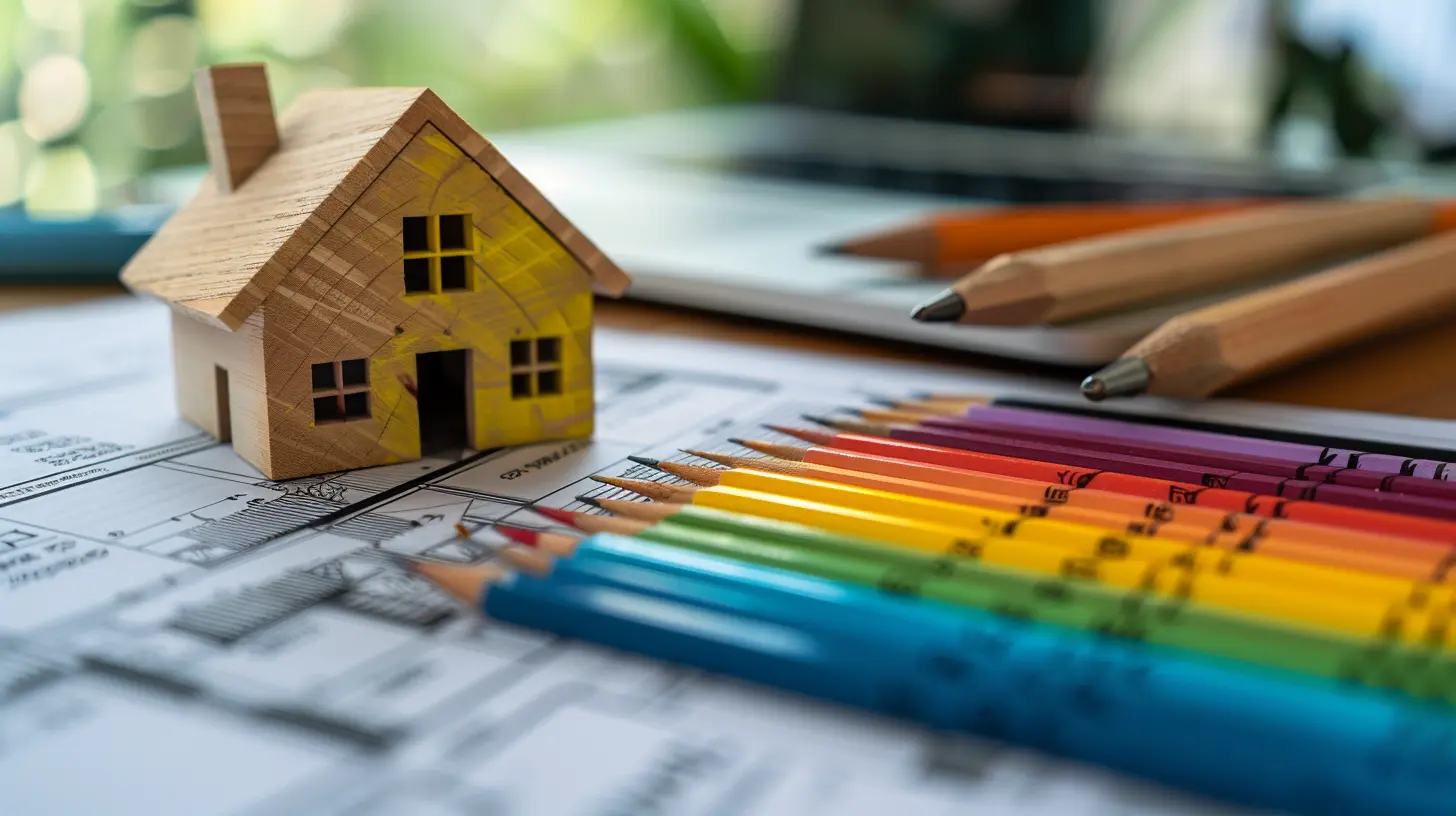
Common Challenges and How to Overcome Them
Permit Delays
It’s common for permits to take weeks or even months. To speed up the process:- Double-check your paperwork for errors
- Maintain clear communication with the building department
- Hire a contractor familiar with local permit processes
Unfamiliarity with Energy Codes
Many homeowners and even some contractors aren’t well-versed in energy codes. Consulting with an energy efficiency expert can save time and prevent costly mistakes.Higher Permit Fees for Green Features
Ironically, some energy-efficient upgrades come with extra fees (such as solar panel installation permits). Check if any local incentives or grants can offset these costs.Zoning Restrictions
If zoning laws prohibit certain features (like wind turbines or off-grid solutions), you may need a variance—a special permission granted on a case-by-case basis.Final Thoughts
Building an energy-efficient home is an exciting journey, but getting the right permits is a crucial step you can’t afford to skip. While the paperwork and approvals might seem tedious, they ensure your home is safe, sustainable, and legally compliant.By understanding the requirements, preparing in advance, and working with experienced professionals, you can navigate the permitting process smoothly and start building your eco-friendly dream home with confidence.
all images in this post were generated using AI tools
Category:
Building PermitsAuthor:

Basil Horne
Discussion
rate this article
2 comments
Rayna Kelly
So, getting a building permit for an energy-efficient home is like trying to unlock a treasure chest-there's a map of rules and a few secret codes, but the end result is pure gold... or green!
September 4, 2026 at 2:58 AM
Casey Gutierrez
This article clearly outlines the essential requirements for obtaining building permits for energy-efficient homes. It's a critical guide for builders and homeowners alike, highlighting the importance of compliance and the potential benefits of energy efficiency in today's real estate market. Well done!
August 18, 2026 at 3:53 AM
Basil Horne
Thank you for your kind words! I'm glad you found the article helpful in navigating the building permit process for energy-efficient homes.