Avoiding Common Pitfalls: Mistakes People Make with Building Permits
25 May 2026
So, you’re finally taking the plunge and planning your big home renovation or dream build. Fantastic! But before you start measuring door frames and picking out paint swatches, there's one tiny (but legally crucial) step: getting a building permit.
Sounds boring, right? It’s just paperwork. How hard can it be? Oh, my dear reader, you’d be surprised. People make some truly epic mistakes when it comes to building permits—errors that can lead to costly fines, delays, or even having to tear down work you've already done.
To save you from permit purgatory, let’s walk through the most common pitfalls and how to avoid them.
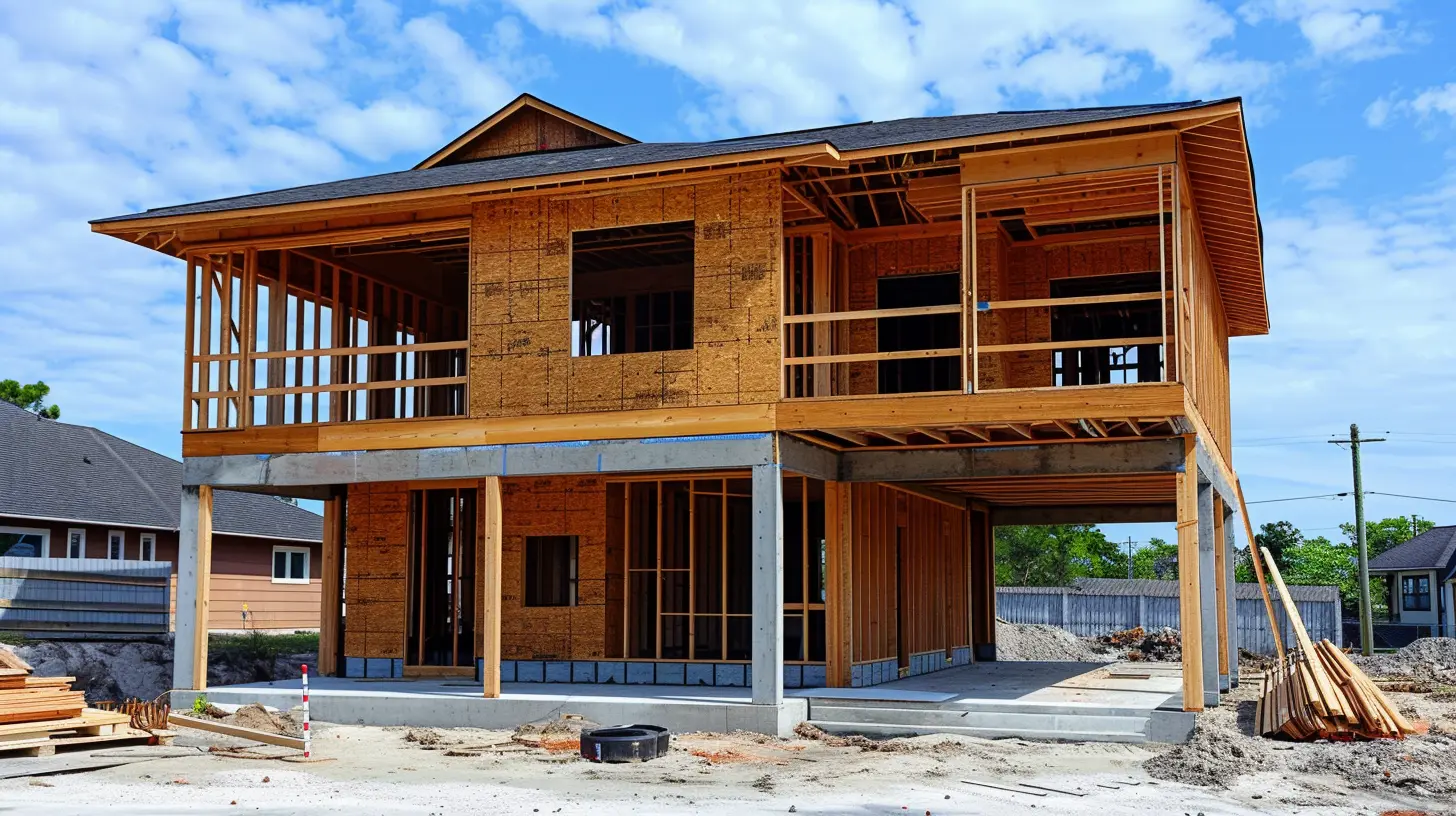
1. Skipping the Permit Altogether – "No One Will Notice... Right?"
Ah, the classic "What they don’t know won’t hurt them" approach. Tempting? Absolutely. Smart? Not even a little.Many homeowners think small projects don’t need permits, only to find out later that even minor changes—like adding a deck or knocking down a wall—require approval. Fast forward a few months, and surprise! An inspector (or a nosy neighbor) reports the unapproved work, leading to hefty fines, forced removal, or a resale nightmare when you try to sell.
How to Avoid This:
Before starting any construction, check with your local building authority. Even if you're convinced your project is insignificant, confirming the permit rules could save you a world of trouble.
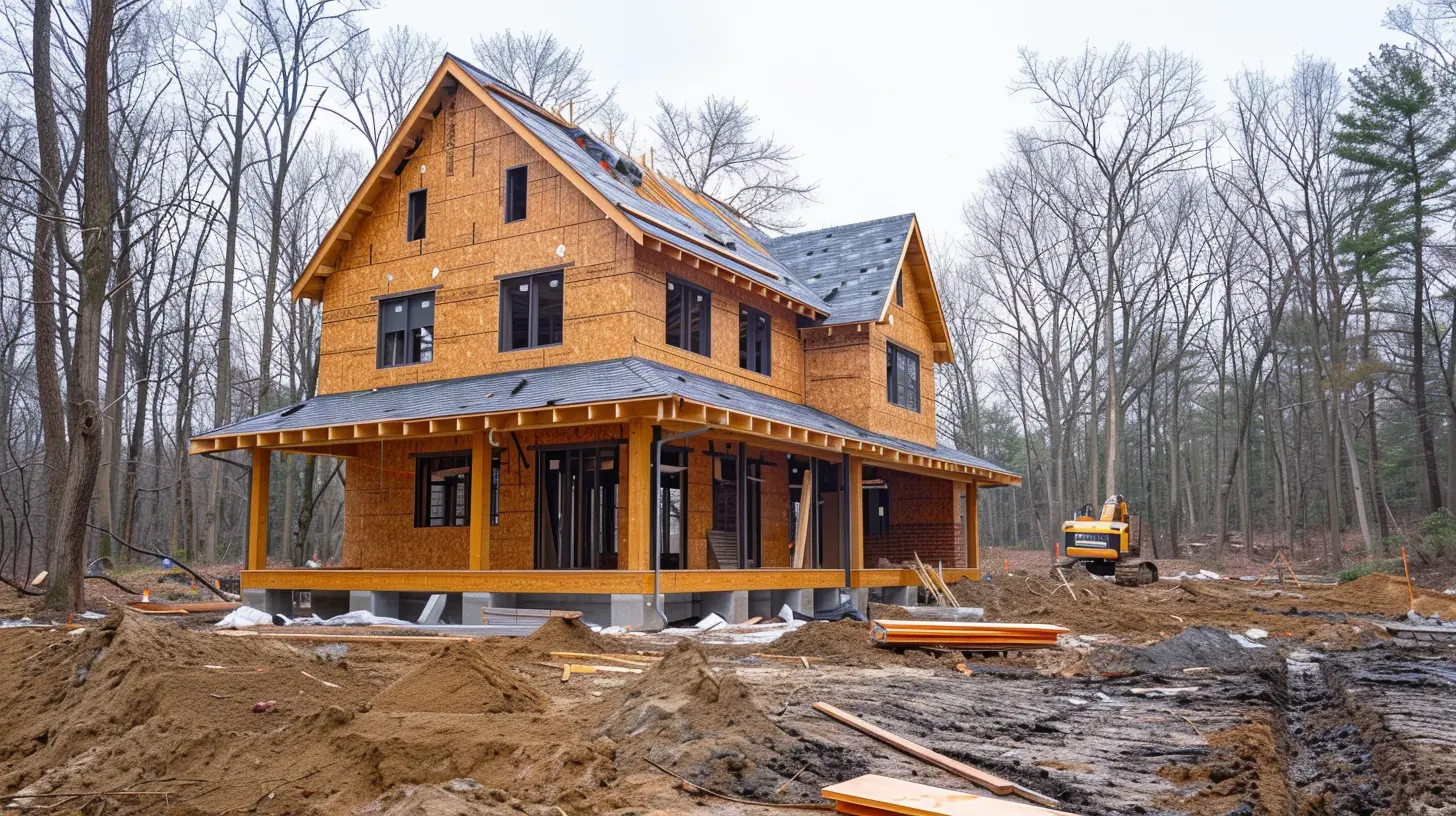
2. Assuming Your Contractor Will Handle It – "They’ve Got This, Right?"
Picture this: You hire a contractor, they start working, and everything seems fine. Then, weeks later, an inspector shows up asking for a permit, and your contractor looks at you like you just asked if they believe in unicorns.Why? Because not all contractors bother filing permits—especially the shady ones. They might assume you took care of it or (worse) they just don’t want the hassle.
How to Avoid This:
Always ask your contractor who is responsible for pulling the necessary permits. Get it in writing to ensure there’s no confusion. If they hesitate or dodge the question, consider that a giant red flag.
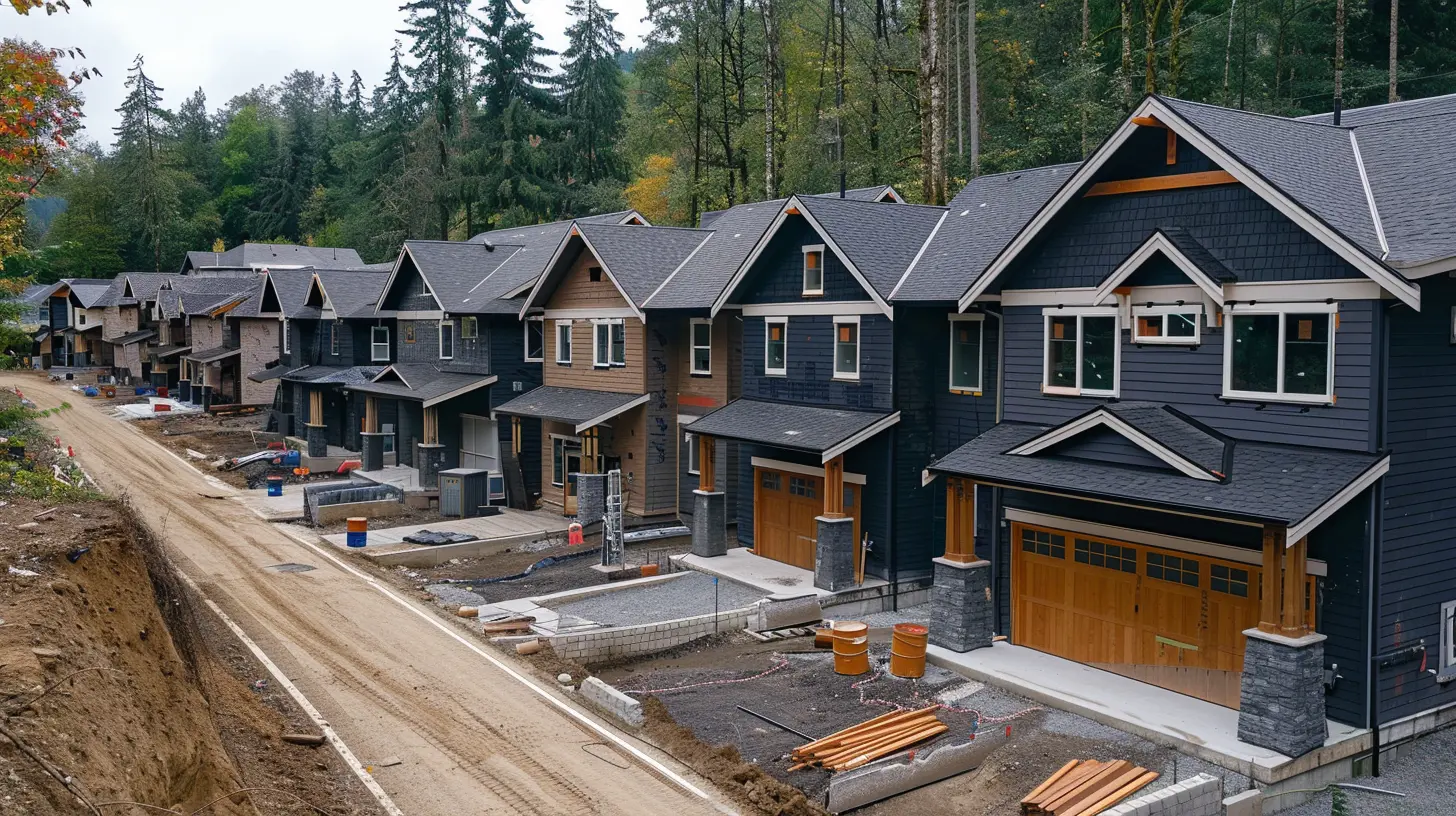
3. Getting the Wrong Type of Permit – "It’s All the Same, Isn’t It?"
Not quite. Just like you wouldn’t use your car registration to board a flight, different projects require different permits. A simple plumbing upgrade? That’s one permit. A full home addition? That’s another.Some people apply for the wrong type of permit or don’t get all the permits they actually need. And trust me, building inspectors aren’t known for their sense of humor when it comes to these mix-ups.
How to Avoid This:
Be specific about the scope of your project when applying. If you're unsure, ask building officials before submitting your application.
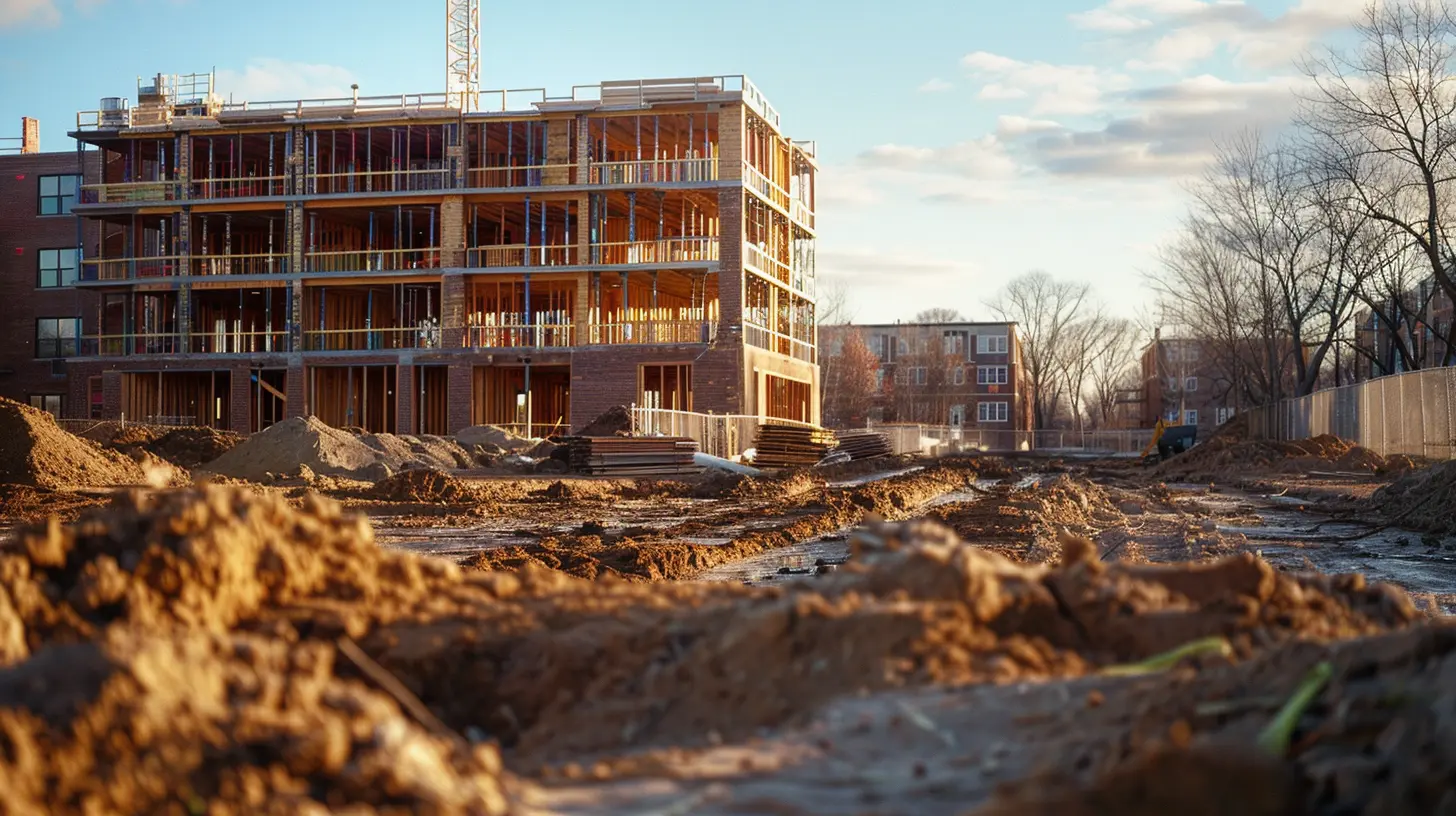
4. Not Following Zoning Laws – "Wait, There’s a Limit to That?"
You might have grand visions of building a three-story garage with a rooftop garden, but the city might have other plans. Every area has zoning laws that dictate what you can (or can’t) build, how high, how close to property lines, and more.Many homeowners get permits only to discover later that their project violates zoning regulations, forcing them to alter or even demolish part of their work.
How to Avoid This:
Before applying for a permit, check your area’s zoning restrictions. Your local planning department can provide this info, sparing you from a zoning-induced headache down the line.
5. Underestimating Approval Timelines – "I Thought It'd Be Quick!"
If you think getting a permit is like grabbing a coffee at a drive-thru, think again. Some permits can take weeks or even months for approval, depending on your location and project complexity.Homeowners often assume they can start work immediately, only to hit a frustrating waiting game. Meanwhile, contractors are delayed, materials sit unused, and your dream kitchen remains just that—a dream.
How to Avoid This:
Plan ahead! Consult the permitting office early in your project timeline and ask about expected wait times. The earlier you file, the better.
6. Not Keeping Permits Visible – "Where Did I Put That Again?"
Did you know that in many areas, permits must be displayed on-site during construction? Inspectors can (and will) stop by unannounced, and if they don’t see the required documentation, they can halt your project on the spot.How to Avoid This:
Keep copies of all relevant permits handy. If a permit must be visibly posted, put it up somewhere obvious—like a front window or fence near the construction zone.
7. Ignoring Required Inspections – "We’re Fine, Trust Me!"
Getting a permit is just step one. Many projects require multiple inspections throughout the process—think of it like a progress report for your build.Skipping inspections (or assuming they aren't necessary) can lead to major issues down the road. If an inspector finds unapproved work, they might force you to tear it out or heavily fine you.
How to Avoid This:
Ask your city or permit office about required inspection checkpoints. Schedule them as needed, and don’t try to cut corners—it’s not worth it.
8. Making Unapproved Changes – "Oops, I Just Tweaked a Few Things!"
Say you got a permit for a basic deck, but then decide to add a fancy outdoor kitchen and hot tub while you're at it. Sounds great, right?The problem? Any modifications not covered under the original permit can invalidate it. If inspectors notice the unapproved changes, you could be forced to reapply or redo work entirely.
How to Avoid This:
If you decide to make additional changes, reach out to your permit office before making them. They’ll let you know if an amendment or additional permit is needed.
9. Forgetting About Utility Lines – "Uh… Why Is My Power Out?"
Digging into the ground without checking for utilities is a recipe for disaster. Hitting a gas line or water pipe can not only shut down your project but also land you in serious legal (and financial) trouble.How to Avoid This:
Always call utility companies before digging. Most areas have a "Call Before You Dig" service that can mark underground lines to keep you from making an expensive (or dangerous) mistake.
10. Failing to Close Out the Permit – "Wait, There’s More?"
Once construction is finished, you’re not technically done until you close out the permit. Many homeowners forget this step, only to face problems when trying to sell their home. Unclosed permits can create legal complications, requiring additional approvals long after the work is complete.How to Avoid This:
Once the final inspection is done, confirm with your local office that the permit is officially closed. It's like turning in your final exam—you don’t want an incomplete on your record!
Wrapping It Up
Building permits might not be the most thrilling part of home renovations, but skipping or mishandling them can turn your dream project into a nightmare of fines, delays, and legal headaches.The good news? A little preparation goes a long way. Do your research, ask the right questions, and stay on top of the process. After all, wouldn’t you rather spend your time picking out furniture than dealing with permit drama?
Remember: the only thing tougher than getting a permit the right way is fixing the mess from doing it the wrong way!
all images in this post were generated using AI tools
Category:
Building PermitsAuthor:

Basil Horne
Discussion
rate this article
1 comments
Juliana McDonald
Building permits can feel like navigating a maze blindfolded. But fear not! With a little research and some patience, you can dodge those common pitfalls. Remember, getting it right saves you time, money, and a lot of headaches. Let's build smarter, not harder!
May 29, 2026 at 3:45 AM
Basil Horne
Thanks for the encouragement! A bit of effort upfront definitely pays off in the long run. Let's help others navigate that maze!