Avoid Being Fined: The Importance of Proper Building Permits
8 May 2026
When planning a home renovation, an addition, or even a new build, the last thing on your mind might be paperwork. But skipping the building permit process can lead to fines, headaches, and even the possibility of tearing down your hard work. So, before you pick up a hammer, let's break down why proper building permits are crucial and how they can save you from unnecessary trouble.
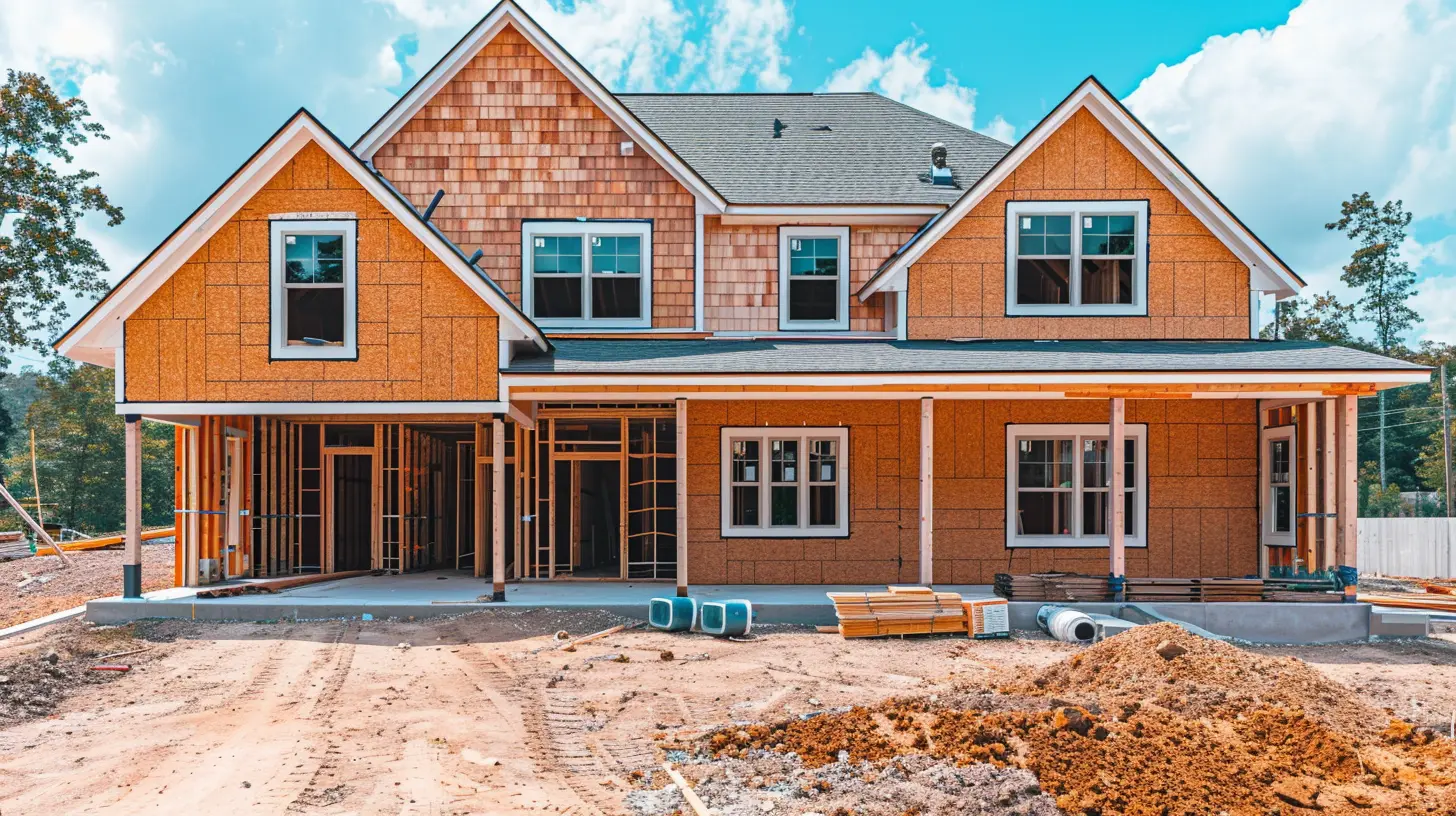
What Is a Building Permit?
A building permit is an official approval from your local government that allows you to proceed with a construction or renovation project. It ensures your project follows safety codes, zoning laws, and local building regulations. Think of it as a permission slip for your home improvements—without it, you're risking legal trouble.
Why Are Building Permits Important?
1. Avoid Costly Fines and Legal Issues
Skipping the permit process might seem like a shortcut, but it can lead to hefty fines. If the city finds out you're working without the required permits, they can stop your project in its tracks. In some extreme cases, homeowners are even required to tear down unauthorized structures. Imagine spending thousands of dollars on a remodel, only to be told you have to demolish it—ouch!2. Ensures Safety for You and Your Family
Building codes exist for a reason—to keep you and your loved ones safe. When you get a building permit, inspectors will check that your project meets structural, electrical, plumbing, and fire safety standards. Without these checks, you could be unknowingly creating hazardous conditions in your home.3. Protects Your Home’s Value
Thinking about selling your home in the future? Unpermitted work can be a huge red flag for buyers and real estate agents. Many buyers request permits for renovations before closing a deal. If your upgrades weren’t done by the book, it can complicate the selling process and even decrease your home’s value.4. Prevents Insurance Problems
Did you know that unpermitted construction can void your homeowner’s insurance? If an accident happens due to unapproved modifications—such as faulty wiring causing a fire—your insurance may refuse to cover the damages. This means you're on the hook for repairs that could cost thousands.5. Ensures Compliance with Local Zoning Laws
Every city and town has its own zoning laws that dictate what can be built and where. If your project doesn't comply, your city could force you to remove the work you’ve done. Building permits ensure your project follows local guidelines, saving you from future disputes with neighbors or officials.
What Types of Projects Require Permits?
Not every home improvement project needs a permit, but many do. Some common projects that require a building permit include:- Major renovations (kitchen remodels, bathroom overhauls)
- Structural changes (removing or adding walls)
- Electrical, plumbing, and HVAC work
- Adding or expanding rooms
- Fencing over a certain height
- Decks, pergolas, or patios
- Roof replacements
- Swimming pools or hot tubs
Smaller projects, like painting walls or replacing cabinets, usually don’t require a permit. However, it’s always best to check with your local building department.

How to Obtain a Building Permit
Securing a building permit isn’t as difficult as it sounds. Here’s a step-by-step guide to help you through the process:Step 1: Research Local Requirements
Building permit rules vary by city, county, and state. Visit your local building department’s website or give them a call to find out what permits you need.Step 2: Prepare Your Plans
Most permits require detailed plans of your project. If you're working with a contractor, they’ll usually handle this step for you. Otherwise, you might need to hire an architect or draftsperson to create the necessary drawings.Step 3: Submit Your Application
Once you have your plans, submit your permit application to the appropriate local agency. Depending on the complexity of your project, approval might take a few days to several weeks.Step 4: Pay the Fees
Building permits come with fees, which vary based on the size and type of project. While it might seem like an extra expense, it’s much cheaper than risking fines or having to redo work.Step 5: Schedule Inspections
After your permit is approved, inspections will be required at different stages of construction. This ensures your work meets all safety and building codes.Step 6: Get Final Approval
Once the project is completed and passes the final inspection, you’re good to go! You’ll receive documentation proving your work was done legally and up to code.What Happens If You Skip the Permit?
If you decide to take the risk and start a project without a permit, be prepared for potential consequences:- Stop-work orders: Inspectors can shut down your project immediately.
- Fines and penalties: You may have to pay steep fines that exceed the original permit cost.
- Forced renovations: If the work doesn’t meet code, you may be required to redo it—on your dime.
- Problems selling your home: Unpermitted work can delay or even kill a future sale.
- Insurance denial: Your insurance may not cover damages caused by unapproved work.
Common Myths About Building Permits
Let’s bust some common misconceptions about building permits:“I Don’t Need a Permit If I’m Doing the Work Myself”
False! Whether you're hiring a contractor or doing a DIY project, permits are required for certain types of work.“Permits Are Only for Major Projects”
Not true. Even smaller updates, like changing electrical wiring or plumbing, can require a permit.“It’s Too Expensive and Time-Consuming”
Skipping permits can cost you much more in fines and redo work. The time spent obtaining a permit is nothing compared to the headaches you might face down the road.“Nobody Will Ever Know”
You might think you can get away with it, but inspectors, neighbors, or even insurance agents can flag unpermitted work at any time. It’s not worth the risk.Conclusion
Building permits might feel like an extra hassle, but they’re in place to protect you, your home, and your wallet. Taking shortcuts can lead to costly mistakes, legal issues, and even safety risks. So, whether you're planning a small renovation or a major home improvement, always check with your local building department before getting started.A little paperwork now can save you from major headaches later. Trust the process, follow the rules, and make sure your projects are built to last—legally and safely.
all images in this post were generated using AI tools
Category:
Building PermitsAuthor:

Basil Horne
Discussion
rate this article
2 comments
Elin Martin
Navigating building permits can be overwhelming, but it's essential for avoiding fines and ensuring safety. Taking the right steps helps protect your investment and enhances community well-being.
July 25, 2026 at 2:54 AM
Yazmin McLean
Great insight on building permits! It's crucial for homeowners and builders to stay informed about regulations to avoid costly fines. Thanks for shedding light on this important topic.
May 13, 2026 at 10:23 AM
Basil Horne
Thanks for your feedback! Staying informed really makes a difference for everyone involved.